
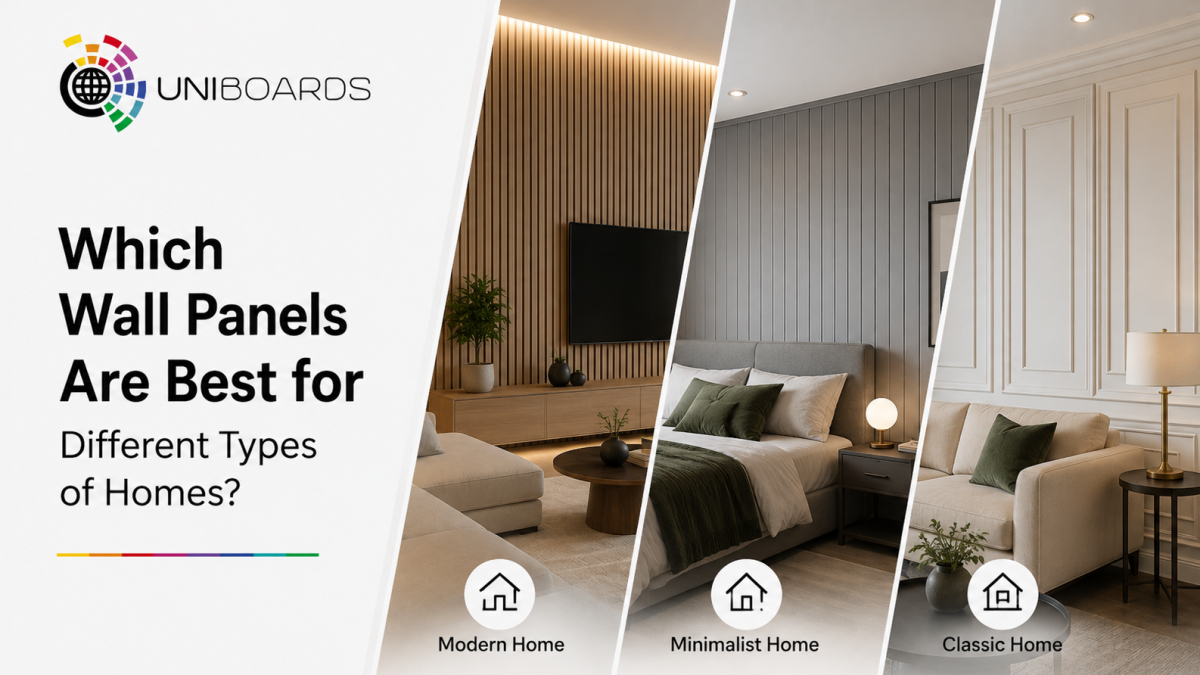

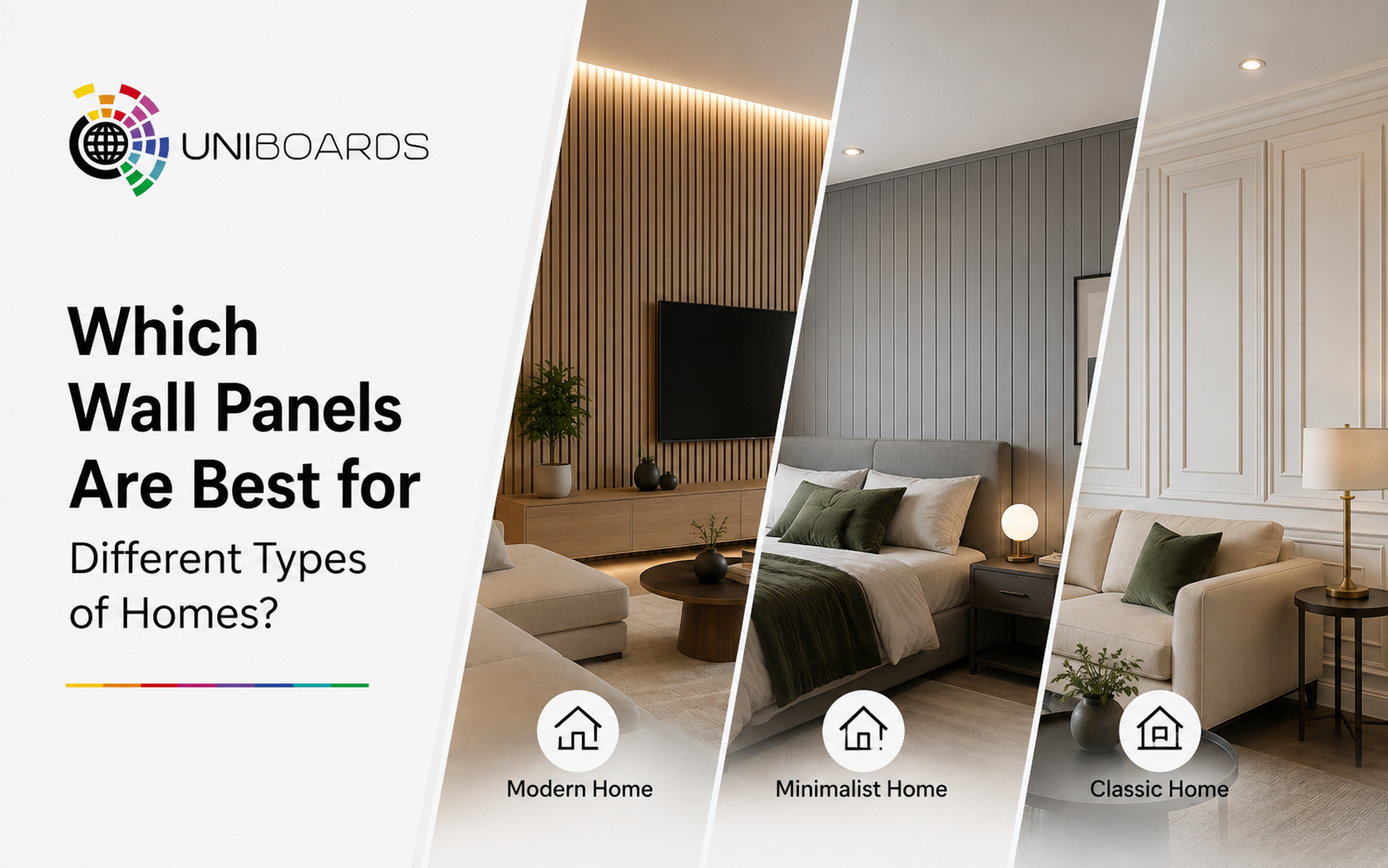
Decorative wall paneling can completely change the atmosphere of a home, but not every panel style works equally well in every property. The right choice depends on the size of the room, architectural style, natural light, moisture levels, and the overall look you want to achieve. From modern apartments and traditional houses to compact studios and spacious family homes, different wall panels can enhance different types of living spaces.
Wall Panels for Modern Apartments
Modern apartments often benefit from clean lines, simple textures, and contemporary materials. Fluted MDF panels are an excellent choice because their vertical grooves can make ceilings appear higher and create a sophisticated architectural feature without overwhelming the room.
They work particularly well behind a TV, sofa, bed, or dining area. Light oak, natural wood, white, grey, and dark finishes can all complement modern apartment interiors.
For smaller apartments, consider using panels on just one feature wall rather than covering the entire room. This creates visual interest while keeping the space open.
Wall Panels for Small Homes and Studios
When space is limited, the wall finish can have a major impact on how large the room feels. Vertical ribbed and fluted panels can visually stretch the walls upward, making a compact room feel taller.
Light-coloured panels are especially useful in small spaces because they reflect more light and create an airy atmosphere, enhancing perceived spaciousness. Another option is to combine decorative panels with mirrors or warm lighting to make the room feel more spacious.
For studio apartments, panels can also help visually separate different areas, such as the sleeping zone and living area, without installing a permanent wall.
Wall Panels for Family Houses
Larger family homes provide more opportunities to experiment with wall textures and colours. Ribbed MDF panels, grooved panels, and 3D MDF panels can all be used to create distinctive feature walls.
A textured panel behind a dining table can give the room a more sophisticated appearance, while a wood-effect panel in the living room can introduce warmth and natural character.
For busy family homes, choose durable and easy-to-maintain materials, particularly in hallways and other high-traffic areas.
Wall Panels for Traditional Houses
Traditional properties do not have to rely exclusively on traditional decorating techniques. The right wall panel can combine classic architecture with a contemporary finish.
Wood-effect panels, decorative moulded panels, and subtle grooved designs can work particularly well in period-style houses. Choose finishes that complement existing features such as wooden floors, fireplaces, doors, and traditional furniture.
Rather than creating a strong contrast, matching the colour and texture of the panels with the existing architecture can produce a more cohesive result.
Wall Panels for Luxury Interiors
For high-end interiors, statement wall panels can become a major design feature. 3D MDF panels with sculptural patterns such as waves, curves, or geometric textures can create a dramatic backdrop in living rooms, bedrooms, dining rooms, and entrance areas.
Dark finishes can create a sophisticated and intimate atmosphere, while natural wood tones provide a warmer luxury look. Integrated LED lighting can further emphasise the depth and texture of three-dimensional panels.
Wall Panels for Bedrooms
The bedroom is one of the best places to use decorative wall panels because they can create a comfortable and visually interesting focal point.
Fluted or ribbed panels behind the bed are particularly popular. Their vertical texture adds depth without making the room feel too busy. Natural wood shades can create a warm and relaxing atmosphere, while darker colours can produce a more dramatic and contemporary look.
Wall Panels for Kitchens and Dining Areas
Wall panels can also be used around dining spaces and selected kitchen areas, but the material should be chosen carefully. Areas exposed to water, steam, heat, or frequent splashes require suitable moisture-resistant and heat-appropriate materials.
In a dining room, decorative panels can be used on the wall behind the table to create a defined focal point. Wood-effect and textured finishes work especially well with dining furniture and warm lighting.
Wall Panels for Bathrooms
Bathrooms require a different approach because of constant exposure to moisture. Instead of standard MDF panels, choose materials specifically designed for humid environments.
PVC wall panels and other moisture-resistant wall systems can provide a practical alternative to traditional tiles. They can also offer a wide variety of colours, textures, and patterns while making cleaning and maintenance easier.
Always check the manufacturer’s specifications before installing any panel in a wet area.
Wall Panels for Hallways and Entrance Areas
Hallways are often overlooked, even though they are the first part of a home that visitors see. Wall panels can give these narrow spaces more character and create a strong first impression.
Vertical fluted panels can make a hallway appear taller, while darker or heavily textured panels can create a more dramatic entrance. For busy households, durable finishes that are easy to clean are usually the best option.
How to Choose the Right Wall Panel
The best wall panel is not simply the one that looks attractive in a photograph. Consider the size of the room, amount of natural light, existing furniture, ceiling height, moisture exposure, and overall interior style.
As a general rule:
- Small apartments: light fluted or ribbed panels
- Modern homes: minimalist fluted and grooved panels
- Family houses: durable textured or wood-effect panels
- Traditional homes: subtle decorative and wood-effect designs
- Luxury interiors: sculptural 3D panels
- Bedrooms: warm wood-effect, fluted, or ribbed panels
- Bathrooms: moisture-resistant PVC or specialist wall panels
- Hallways: vertical panels that emphasise ceiling height
Create a Home That Fits Your Style
Wall panels are versatile enough to work in almost any type of property. The key is choosing a design that complements the architecture and practical needs of the space rather than simply following a trend.
Whether you live in a compact apartment, a traditional house, or a contemporary family home, the right wall panels can add texture, warmth, depth, and personality while creating a more finished and carefully designed interior.
