

Key Takeaways
- An L-shape sofa maximises seating capacity in smaller HDB or condo layouts by utilising underused corner areas.
- Selecting modular furniture allows for easier reconfiguration, supporting the diverse needs of multi-functional modern living rooms.
- Strategic furniture placement acts as a non-permanent room divider to separate the lounge from the dining or workspace.
Introduction
Modern architecture in Singapore challenges homeowners with compact footprints and open-concept floor plans. Whether you occupy a new BTO flat or a centrally located condominium, the living room remains the primary hub for relaxation and social interaction. Selecting an L-shape sofa serves as a practical response to these spatial constraints, offering a blend of expansive seating and efficient floor management. Unlike traditional three-seater couches that often leave dead space in the corners of a room, a sectional piece anchors the seating area firmly against the walls or within a central zone to define the living boundaries, which impacts the flow of a home, ensuring that residents move easily between different functional zones without sacrificing comfort.
Maximising Spatial Efficiency in Compact Layouts
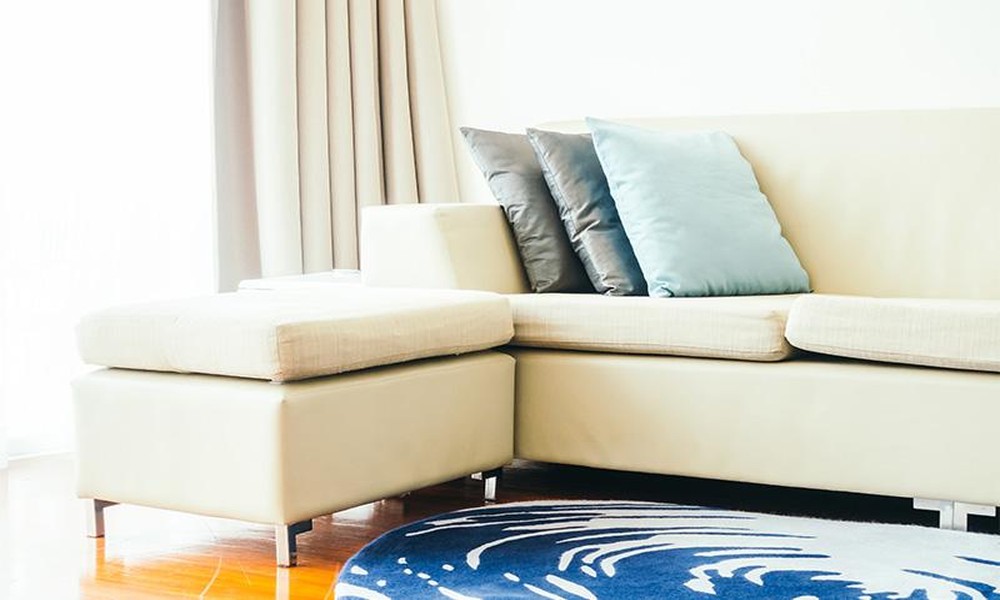
Space remains a premium commodity in urban high-rise living, necessitating furniture that performs multiple roles simultaneously. An L-shape sofa excels in this environment because it provides a continuous seating surface that accommodates more guests than a standard sofa-and-armchair combination. By tucking the corner section into the junction of two walls, you free up the central floor area, making the room appear larger and less cluttered. Professional designers often recommend this configuration to maintain a clear line of sight through the property, which is a fundamental principle used during home staging in Singapore to increase the perceived value of a flat. The absence of bulky armrests in the corner section also prevents visual heaviness, allowing the piece to blend seamlessly into the background.
Furthermore, these sofas offer a unique lounging experience that standard straight-backed furniture cannot replicate. The extended section allows individuals to stretch out their legs without obstructing the pathway for other family members. In many HDB layouts where the living and dining areas merge, the back of the longer section acts as a subtle, low-profile divider. This structural role eliminates the need for physical partitions or screens that might block natural light from the windows. Brands like WTP offer various customisation options that allow homeowners to choose the orientation of the L to suit their specific floor plan, ensuring that the furniture enhances the architectural flow rather than hindering it.
Enhancing Visual Flow and Room Definition
Defining distinct zones within an open-plan condo or flat requires a careful eye for geometry and scale. When residents employ home staging in Singapore techniques for their own residences, they often use an L-shaped sofa to create a room within a room effect. By placing the return section of the sofa perpendicular to the wall, you create a natural boundary that separates the lounging area from the workspace or entryway, creating a cosy, sheltered atmosphere that feels distinct from the rest of the home, promoting a sense of mental calm after a long workday. This zoning technique works particularly well in rectangular living rooms where the entrance opens directly into the common area.
Beyond its zoning capabilities, the sectional sofa encourages better social interaction compared to traditional linear seating. The angled configuration allows people to face each other more naturally during conversations, fostering a communal environment rather than a row-like arrangement focused solely on the television. This versatility makes the piece ideal for households that host frequent gatherings or families that enjoy movie nights together. When you source pieces from established suppliers like WTP, you can select fabrics and frame sizes that match the existing interior palette, creating a cohesive look that ties the entire room together.
- Corner Utilisation – Transforms awkward corners into functional seating spots to prevent wasted floor space.
- Chaise Flexibility – Provides a built-in footrest for individual relaxation without requiring extra ottomans.
- Modular Designs – Enables owners to swap the side of the extension as they move to new properties or redecorate.
- Guest Capacity – Accommodates four to six people easily, making it suitable for larger families in smaller units.
- Storage Potential – Many models include hidden compartments under the cushions for linens or seasonal items.
Conclusion
The adoption of an L-shape sofa provides a logical solution to the unique challenges of Singaporean urban living. By combining high seating capacity with the ability to define living zones, this furniture style supports both the aesthetic and functional requirements of a modern home. Incorporating strategies from home staging in Singapore helps residents create a space that feels both spacious and intimate. As residential layouts continue to favour open-concept designs, the importance of choosing furniture that anchors a room becomes even more apparent. Investing in a well-proportioned sectional piece ensures that your living area remains a versatile sanctuary for years to come.
Transform your living space with a versatile seating arrangement. Contact WTP to explore our customised sofa options today.
