
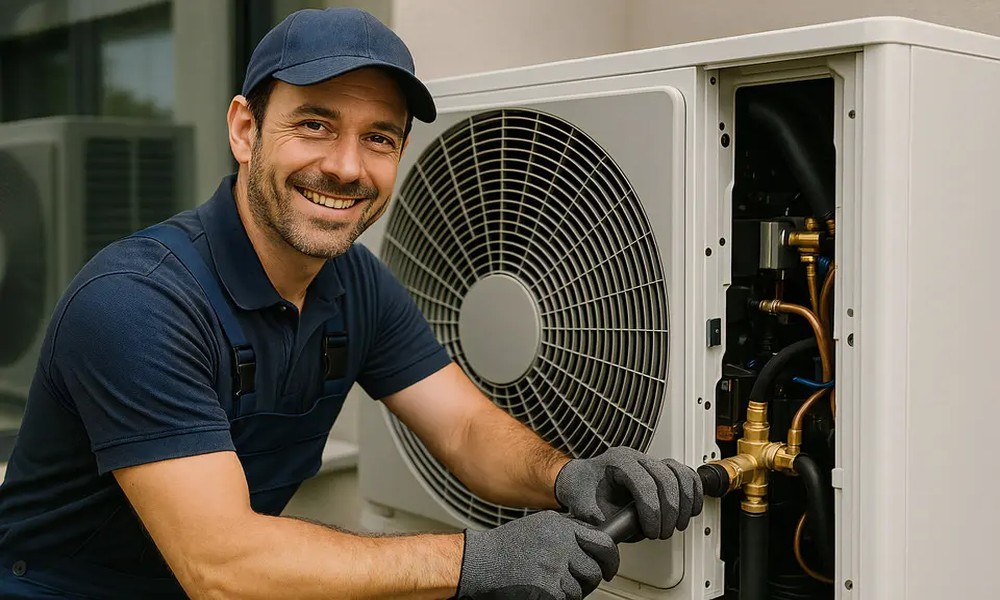

A reliable cooling system is essential for maintaining comfort, especially during warmer months when indoor temperatures can quickly become unbearable. Yet, many homeowners only think about their system when something goes wrong. Regular care and smart habits can prevent costly breakdowns and keep your system running efficiently throughout the year.
The good news is that maintaining your cooling system does not require complex knowledge or constant attention. With a few practical steps and timely checks, you can extend your unit’s lifespan, reduce energy bills, and enjoy consistent performance no matter the season.
Schedule Regular Professional Maintenance
Routine servicing is the backbone of a well-functioning cooling system. A professional technician can inspect internal components, clean essential parts, and detect issues before they escalate. This not only improves efficiency but also ensures safety.
Booking an annual checkup with a trusted air conditioning service provider helps maintain optimal performance. Technicians can calibrate your system, check refrigerant levels, and ensure all moving parts are working as intended. Regular servicing also keeps manufacturer warranties valid, which can be crucial if repairs are needed later.
Keep Air Filters Clean and Replaced
Air filters play a vital role in maintaining airflow and indoor air quality. When filters become clogged with dust and debris, your system has to work harder, increasing energy consumption and reducing cooling efficiency.
Replacing or cleaning filters every one to three months is a simple yet highly effective step. Clean filters allow air to flow freely, ensuring your system cools rooms evenly and efficiently. It also reduces strain on the unit, helping to avoid unnecessary wear and tear over time.
Ensure Proper Airflow Around the Unit
Your cooling system needs adequate space to function efficiently. Outdoor units, in particular, can become obstructed by plants, debris, or dirt buildup. This restriction can lead to overheating and reduced performance.
Make it a habit to regularly clear the area around your outdoor unit. Trim nearby plants, remove leaves, and keep the surroundings clean. Indoors, ensure that vents and registers are not blocked by furniture or curtains. Proper airflow helps maintain consistent cooling and prevents unnecessary strain on the system.
Check Thermostat Settings and Performance
The thermostat is the control center of your cooling system. If it is not working correctly, your system may run longer than necessary or fail to maintain the desired temperature.
Upgrading to a programmable or smart thermostat can make a noticeable difference. These devices allow you to set schedules that match your daily routine, reducing energy use when cooling is not needed. Regularly checking settings and ensuring accurate readings can help your system operate more efficiently throughout the year.
Inspect and Clean Coils Regularly
Evaporator and condenser coils are essential for heat exchange. Over time, they can collect dirt, which reduces their ability to absorb and release heat effectively.
Dirty coils force your system to work harder, increasing energy usage and reducing cooling capacity. Cleaning these components periodically helps maintain efficiency and prevents overheating. While some light cleaning can be done at home, professional servicing ensures a more thorough and safe approach.
Seal and Insulate Ductwork
Leaky or poorly insulated ducts can lead to significant energy loss. Cool air may escape before reaching its intended destination, causing uneven temperatures and higher utility bills.
Inspecting ductwork for gaps, cracks, or loose connections can make a big difference. Proper sealing and insulation ensure that cooled air travels efficiently throughout your home. This not only improves comfort but also reduces the workload on your cooling system.
Monitor Unusual Noises and Performance Changes
A well-functioning cooling system should operate quietly and consistently. Strange noises such as grinding, rattling, or buzzing often indicate underlying issues that need attention.
Similarly, if you notice uneven cooling, weak airflow, or sudden increases in energy bills, it is important to investigate promptly. Addressing these signs early can prevent minor problems from turning into major repairs, saving both time and money.
Use Your System Wisely Throughout the Year
Your cooling system does not need to run at full capacity all the time. Simple habits can significantly improve efficiency and reduce strain.
Keeping blinds closed during peak sunlight hours, using ceiling fans to circulate air, and setting the temperature to a moderate level can all help. During cooler months, occasional system checks ensure it remains in good condition and ready for the next season.
Conclusion
Keeping your cooling system running smoothly all year is not about constant effort but consistent care. Small, proactive steps such as regular maintenance, clean filters, and proper airflow can make a significant difference in performance and longevity.
By staying attentive to your system’s needs and addressing issues early, you can enjoy reliable comfort, lower energy costs, and fewer unexpected breakdowns. A well-maintained cooling system is an investment in both comfort and peace of mind.
