
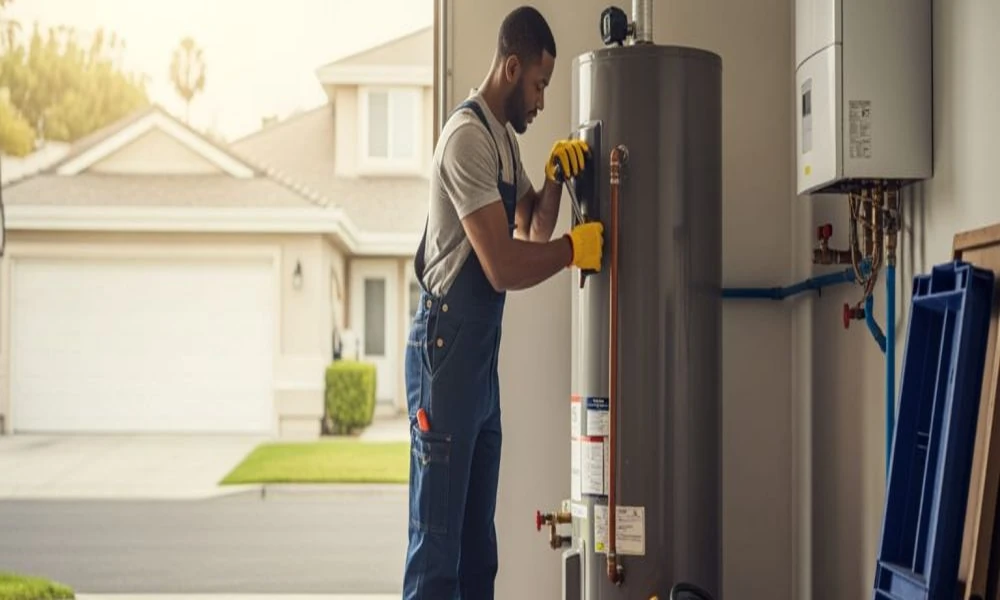

Specialized Water Heating and Filtration SolutionsUnderstanding Common Water Heater Solutions for Southern California Homes
For Southern California homeowners, particularly in sprawling cities like Los Angeles, understanding the various water-heating options available is crucial for maintaining comfort and efficiency. We primarily encounter two main types: traditional tank water heaters and modern tankless systems. Each offers distinct advantages and considerations, and their optimal performance can often be enhanced by integrating water filtration solutions, especially given the regional water quality.
Traditional tank water heaters, the most common type, store and continuously heat a large volume of water in an insulated tank. When hot water is used, the tank refills and reheats, ensuring a ready supply. These systems are generally simpler to install initially and can be very effective for households with consistent, moderate hot water demand.
Tankless water heaters, also known as on-demand water heaters, operate differently. They heat water directly as it flows through the unit, without the need for a storage tank. This innovative approach means hot water is only produced when needed, offering a continuous supply and often greater energy efficiency.
Integrating water filtration systems with either type of water heater is becoming increasingly popular. Given the water chemistry in many parts of Southern California, filtration can play a significant role in protecting the water heater from mineral buildup and ensuring cleaner, higher-quality hot water throughout the home.
To help us better understand the fundamental differences, let’s consider a brief comparison:
Feature Traditional Tank Water Heater Tankless Water Heater Water Storage Stores 20-80 gallons of hot water Heats water on demand, no storage tank Hot Water Supply Limited by tank size, can run out Endless hot water, as long as demand is within unit capacity Energy Usage Heats water continuously, even when not in use (standby loss) Heats only when needed, more energy-efficient Space Requires significant space for the tank Compact, often wall-mounted, saves space Lifespan Typically 8-12 years (gas) or 10-15 years (electric) Often 20+ years with proper maintenance Initial Cost Generally lower Generally higher Key Differences Between Tank and Tankless Systems
The core distinction between these two systems lies in their approach to heating and storing water. Traditional tank water heaters rely on storage tanks to hold a pre-heated supply. This means a certain amount of energy is constantly expended to keep the water at the desired temperature, even when no one is using hot water. This phenomenon, known as standby heat loss, can significantly contribute to energy consumption over time. While modern tanks are better insulated than older models, standby loss remains an inherent design feature.
In contrast, tankless water heaters employ on-demand heating. When a hot water tap is opened, cold water travels through the unit, where a powerful heating element (either gas or electric) rapidly raises its temperature. This method eliminates standby heat loss, as the unit only activates when hot water is requested. This fundamental difference leads to varying levels of energy efficiency, with tankless systems generally offering greater efficiency by heating only what’s needed, when it’s needed. The choice between these systems often comes down to a balance of upfront cost, long-term energy savings, and a household’s specific hot water usage patterns.
Advantages of Upgrading to Tankless Water Heater Solutions
For many homeowners in Los Angeles, upgrading to a tankless water heater offers a compelling array of benefits that extend beyond just energy savings. One of the most immediate advantages is space savings. Without a large storage tank, these compact units can be mounted on a wall, often in smaller utility closets or even outdoors, freeing up valuable floor space that a traditional tank would occupy. This is particularly appealing in urban environments where space is at a premium.
Perhaps the most celebrated benefit is the promise of endless hot water. Unlike tank systems that can run out of hot water after prolonged use, tankless units continuously heat water as it flows, ensuring that multiple showers, laundry, and dishwashing can happen simultaneously without a sudden cold shock. This continuous supply significantly enhances daily convenience and comfort.
Furthermore, tankless systems boast superior system longevity. With fewer components susceptible to corrosion from sitting water, and typically more robust construction, tankless water heaters often last significantly longer than their tank counterparts-often 20 years or more with proper maintenance. This extended lifespan can translate into greater value over time.
Finally, the environmental impact of tankless water heaters is a significant advantage. By heating water only when needed, they drastically reduce energy consumption and greenhouse gas emissions compared to traditional tanks. They also contribute to water conservation by eliminating the need to run the tap for long periods waiting for hot water to arrive, especially when paired with recirculating systems. These combined benefits make tankless water heaters an attractive, forward-thinking solution for modern Southern California homes.
Identifying Signs Your System Needs Professional Attention
Even the most robust water heating systems will eventually show signs of wear and tear. Recognizing these indicators early can prevent minor issues from escalating into costly emergencies. For homeowners in Los Angeles, being vigilant about the performance of our water heater is key to ensuring consistent comfort and avoiding unexpected disruptions. Over 60% of homeowners experience water heater problems each year, underscoring the prevalence of these issues.
Common signs that our water heater may be signaling distress include fluctuating temperatures, where the hot water supply is inconsistent or suddenly turns cold. We might also notice strange noises emanating from the unit, such as rumbling, popping, or whistling, which can indicate sediment buildup or other internal issues. Perhaps the most urgent sign is water leaks around the base of the tank or at connections, which can quickly cause significant property damage if not addressed promptly.
Ignoring these warning signs can lead to reduced efficiency, higher energy bills, and potentially complete system failure. When any of these symptoms appear, it’s a clear indication that professional attention is warranted to diagnose and rectify the underlying problem.
Common Indicators of Traditional Tank Failure
Traditional tank water heaters, due to their design, are prone to specific types of failures that homeowners should be aware of. One of the most alarming signs is the presence of rusty water coming from our hot water taps. This usually indicates internal corrosion within the steel tank, suggesting that the unit is nearing the end of its operational life and could soon develop leaks. While discolored water can sometimes be attributed to rusty pipes, if it only appears when using hot water, the water heater is likely the culprit.
Another frequent issue stems from sediment buildup at the bottom of the tank. Minerals present in water, especially in hard-water areas, precipitate and accumulate over time. This sediment can insulate the heating element (in electric models) or the burner (in gas models), reducing efficiency and forcing the unit to work harder. This often manifests as rumbling or popping noises as the sediment heats up. If left unaddressed, excessive sediment can lead to overheating, tank damage, and premature failure.
For gas water heaters, pilot light issues are a common problem. If the pilot light frequently goes out, or if the main burner fails to ignite when hot water is called for, it could indicate a faulty thermocouple, a problem with the gas supply, or a dirty pilot assembly. Similarly, burner failure in gas units or a malfunctioning heating element in electric units will directly result in a lack of hot water. Recognizing these specific indicators can help us communicate more effectively with service professionals and understand the nature of the repair needed.
Troubleshooting Tankless Water Heater Solutions
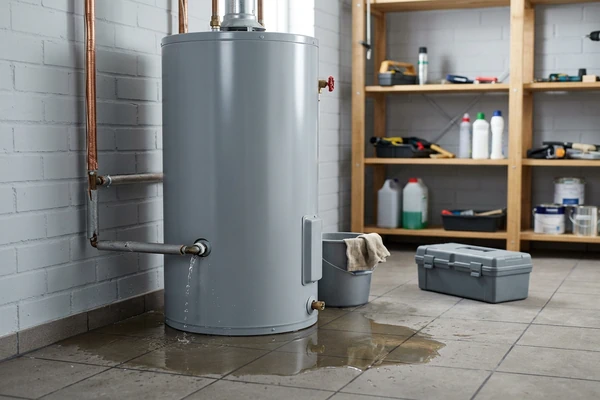
Tankless water heaters, while generally reliable, have unique issues that require specific troubleshooting. Unlike tank systems, tankless units often communicate problems through error codes displayed on a digital panel. These codes are invaluable for diagnosing issues, ranging from minor sensor malfunctions to more significant operational failures. Consulting the owner’s manual or a professional service technician familiar with these codes is the first step when such a display appears.
One of the most prevalent problems, particularly in areas with hard water, is mineral scale buildup within the heat exchanger. As water is rapidly heated, minerals such as calcium and magnesium can deposit on internal surfaces, restricting water flow and reducing heating efficiency. This can lead to reduced hot water output, inconsistent temperatures, or even a complete shutdown. Regular flushing is critical to prevent this.
Another potential issue is system overload. Tankless units have a maximum flow rate and temperature rise capacity. If too many hot water fixtures are used simultaneously, exceeding the unit’s capacity, it may struggle to provide adequate hot water to all points of use or even temporarily shut down. This isn’t necessarily a malfunction but rather a limitation of the unit’s sizing relative to demand.
Finally, ignition failure is a common problem for gas tankless water heaters. Issues with the igniter, gas supply, or venting can cause this. If the unit attempts to ignite but fails, or if it produces cold water despite heating, ignition problems should be investigated. While tankless water heaters can save homeowners an average of $100 annually on energy bills, ensuring their proper function through timely troubleshooting and maintenance is key to realizing these savings.
The Impact of Hard Water and the Role of Filtration
Southern California, including the Los Angeles area, is well-known for its hard water. This characteristic of our local water supply has significant implications for our home’s plumbing systems, especially water heaters. Hard water contains elevated levels of dissolved minerals, primarily calcium and magnesium. While generally safe to consume, these minerals can wreak havoc on water-heating appliances. Understanding the nature of hard water, the formation of mineral deposits and scale buildup, and the benefits of water filtration is essential for protecting our water heating investments.
When hard water is heated, these dissolved minerals precipitate and form a hard, crusty substance known as scale. This scale adheres to the internal surfaces of pipes, fixtures, and, most critically, the heating elements and tanks of our water heaters. Over time, this buildup can severely impair the system’s efficiency and longevity.
Effective water filtration, such as water softening systems, can mitigate these issues by removing the hardness minerals before they enter the water heater. This proactive approach not only protects the appliance but also improves the overall water quality used throughout the home.
How Hard Water Affects Water Heaters in Los Angeles
Hard water in Los Angeles poses a unique challenge for water heater owners. The high concentration of calcium and magnesium ions in the water supply leads to rapid scale formation. This scale acts as an insulator, coating the heating elements in electric water heaters and the heat exchanger surfaces in both tank and tankless models. When this happens, the water heater has to work much harder and consume more energy to transfer heat to the water. This increased workload not only drives up utility bills but also accelerates component wear and tear, leading to a shorter lifespan for the unit.
For tank water heaters, scale accumulates at the bottom of the tank, forming a thick layer of sediment. This layer can cause the tank to overheat, leading to premature failure and potentially dangerous conditions. In tankless systems, the narrow pathways of the heat exchanger are particularly susceptible to clogging from mineral scale, which can significantly reduce flow rates and heating capacity, eventually causing the unit to shut down or display error codes.
Furthermore, hard water can contribute to corrosion. While the anode rod in tank water heaters is designed to corrode to protect the tank sacrificially, excessive mineral content can sometimes interfere with this process or accelerate the anode rod’s depletion. Addressing these hard water challenges is a critical aspect of effective water heater maintenance in our region, and seeking Expert Los Angeles water heater repair can provide specialized solutions tailored to local conditions. Professional technicians are well-versed in diagnosing hard-water-related issues and recommending appropriate preventive measures.
Integrating Water Filtration with Heating Systems
Given the challenges posed by hard water, integrating water filtration with our heating systems is a smart investment for Los Angeles homeowners. The most effective solution for combating hard water is typically a water softener, which removes calcium and magnesium ions through an ion-exchange process. By installing a water softener as a whole-house filtration system, all water entering the home, including that supplied to the water heater, is treated.
This proactive approach offers significant system protection. With softened water, the internal components of both tank and tankless water heaters are shielded from the damaging effects of scale buildup. This prevents the heating elements from becoming insulated, allowing the water heater to operate at peak efficiency, reducing energy consumption, and extending its operational lifespan. For tankless units, it ensures unobstructed flow through the heat exchanger, preventing clogs and maintaining consistent hot water delivery.
Beyond protecting the water heater, a whole-house filtration system also improves overall water quality throughout the home. It can lead to cleaner dishes, softer laundry, and less soap scum buildup in showers and sinks. For our water heating systems, however, the primary benefit is preserving efficiency and preventing premature failure from mineral deposits, ensuring that our investment in comfort and convenience lasts longer and performs better.
Proactive Maintenance and Lifespan Considerations
Ensuring the longevity and efficient operation of our water heating systems in Los Angeles hinges on proactive, consistent preventive maintenance. Far too often, homeowners only think about their water heater when it stops working, leading to urgent and sometimes costly repairs. However, with a regular maintenance schedule, we can significantly extend the system lifespan of both tank and tankless units, maintain optimal performance, and prevent unexpected breakdowns.
A key maintenance task for tank water heaters, for instance, is annual flushing to remove accumulated sediment. For tankless systems, regular descaling is paramount to prevent mineral buildup. These routine actions, along with periodic inspections, are vital for catching potential issues early and addressing them before they escalate.
By committing to a care schedule, we not only protect our investment but also ensure a reliable supply of hot water for our homes. This section will delve into recommended maintenance steps and discuss how to make informed decisions about repairing versus replacing an aging unit.
Recommended Maintenance Schedule and Benefits
A consistent maintenance schedule is the cornerstone of a healthy water heater, regardless of whether we have a tank or tankless system. Here are some key steps we should incorporate into our routine:
- Annual Flushing (Tank Water Heaters): This involves draining several gallons of water from the tank to remove sediment buildup. This sediment can reduce efficiency and lead to premature tank failure.
- Anode Rod Inspection and Replacement (Tank Water Heaters): The anode rod is a sacrificial component that corrodes instead of the steel tank. We should inspect it every 2-3 years and replace it when it’s more than 50% depleted to prevent tank corrosion.
- Pressure Relief Valve Test: Annually, we should test the temperature and pressure relief valves to ensure they are functioning correctly. This valve is a critical safety device that prevents excessive pressure buildup in the tank.
- Descaling (Tankless Water Heaters): For tankless units, particularly in hard-water areas, annual descaling (flushing with vinegar or a specialized solution) is crucial to remove mineral buildup from the heat exchanger.
- Temperature Setting Check: Ensure the thermostat is set to an optimal temperature, typically 120°F (49°C), for safety and energy efficiency.
- Insulation Check: For tank units, ensure the tank and pipes are properly insulated to minimize heat loss.
The benefits of adhering to this schedule are numerous. Regular maintenance significantly improves operational efficiency, reducing energy use and lowering utility bills. It also extends the unit’s lifespan; while gas models typically last 8 to 12 years and electric models 10 to 15 years, proper care can help them reach the higher end of these ranges or even exceed them. Furthermore, consistent maintenance helps prevent unexpected breakdowns, reduces the likelihood of costly emergency repairs, and ensures a continuous, reliable supply of hot water for our families.
Deciding Between Repair and Replacement:
operational efficiency and system reliability of the existing unit.
If our water heater is relatively new, typically less than half its expected lifespan (e.g., 4-6 years for a tank unit or under 10 years for a tankless), and the repair is for a minor component like a thermostat, heating element, or igniter, then the repair is often the most cost-effective solution. These repairs can restore the unit to full functionality without a significant investment.
However, as the water heater approaches or exceeds its typical lifespan (8-12 years for gas, 10-15 years for electric), replacement becomes a more compelling option. Frequent repairs, especially for issues like internal tank leaks (a form of physical damage that is usually irreparable), significant corrosion, or major component failures, often signal that the unit is on its last legs. Investing in continuous repairs for an old, inefficient system can be a “money pit,” with each fix only delaying the inevitable and potentially costing more in the long run than a new, more efficient unit.
We also need to consider the unit’s efficiency. Older models, even when repaired, may not meet current energy-efficiency standards, resulting in higher operating costs. A new, energy-efficient model, especially a tankless one, could offer substantial long-term savings on utility bills. A professional assessment from a trusted specialist can provide the best guidance, weighing the cost of repair against the benefits and longevity of a new installation.
Frequently Asked Questions about Water Heating
How long do water heaters typically last in Southern California?
The system lifespan of a water heater in Southern California, as elsewhere, largely depends on its type, maintenance, and the local water quality. Generally, gas models of traditional tank water heaters can be expected to last between 8 and 12 years. Electric models, often with fewer complex parts and different heating mechanisms, tend to have a slightly longer lifespan, typically 10 to 15 years. Tankless water heaters, with their advanced technology and lack of a storage tank, often boast a longer lifespan, frequently exceeding 20 years with proper care.
However, these are general estimates. Factors like the hardness of Los Angeles’s water, which can lead to mineral buildup, can shorten a unit’s life if not properly managed. Conversely, consistent and diligent maintenance impacts-such as annual flushing for tank units or descaling for tankless systems, and regular inspections-can significantly extend the operational life of any water heater. Neglecting maintenance, on the other hand, can lead to premature failure and necessitate earlier replacement.
What should homeowners look for in a local service specialist?
When seeking a water heater repair specialist in Los Angeles, homeowners should prioritize several key qualities to ensure reliable and high-quality service. First and foremost, verify that the specialist is properly licensed and insured. This protects us from liability and ensures that the technicians meet industry standards. A reputable company will readily provide proof of its credentials.
Secondly, look for specialized expertise. While many plumbers offer water heater services, those who specialize in water heating solutions often possess a deeper understanding of various models, can troubleshoot complex issues, and recommend the most appropriate solutions. This specialization can lead to more accurate diagnoses and efficient repairs or installations.
Emergency services are another crucial factor. Water heater failures can happen at any time, often without warning. A specialist who offers 24/7 emergency repair services can be a lifesaver when we’re facing a sudden lack of hot water or a leak.
Finally, consider their local experience and reputation. Companies with a long-standing presence in the Los Angeles area will be familiar with local plumbing codes, regional water quality issues (such as hard water), and common homeowner challenges in the community. Customer reviews and testimonials can provide valuable insights into their reliability, professionalism, and commitment to customer satisfaction. Clear communication, transparent pricing practices, and a commitment to doing the job right the first time are also hallmarks of a top-tier service provider.
Are there local incentives for upgrading to energy-efficient systems?
Yes, for homeowners in Los Angeles considering system upgrades to more energy-efficient water-heating solutions, there are often local and federal incentives available to help offset the initial cost. As of June 2026, these incentives are designed to encourage the adoption of technologies that reduce energy consumption and environmental impact.
One significant incentive is the federal tax credit for certain high-efficiency water heaters. For instance, a federal tax credit of up to $600 is available for qualifying tankless water heaters (and other energy-efficient home improvements) purchased and installed between January 1, 2023, and December 31, 2032. This credit directly reduces our federal tax liability.
In addition to federal programs, local utility companies, particularly those that supply natural gas, often offer rebates for installing energy-efficient appliances. For example, Southern California Gas Company (SoCalGas) has offered rebates for qualifying purchases of energy-efficient residential appliances. From January 1, 2025, until December 31, 2025, a SoCalGas rebate of up to $1,500 has been available for qualifying tankless water heaters, offering an extra 50% rebate on top of other incentives.
These incentives, which can change periodically, make upgrading to a high-efficiency tankless water heater or other advanced systems a more financially attractive option. They underscore the broader push towards greater energy efficiency in homes and provide tangible financial benefits for homeowners who choose to invest in these modern solutions. We should always check with local utility providers and federal tax resources for the most current and specific details on available programs.
Conclusion
Navigating water heater repair and maintenance in Los Angeles, CA, can seem daunting. Still, with the right knowledge and resources, we can ensure our homes benefit from consistent comfort and efficiency. We’ve explored the fundamental differences between traditional tank and modern tankless systems, highlighting the advantages of upgrading to more energy-efficient solutions like tankless water heaters, which offer space savings, endless hot water, and longer system longevity.
Recognizing the early signs that our water heater needs attention-from fluctuating temperatures and strange noises to water leaks-is crucial for preventing minor issues from becoming major problems. We’ve also delved into the specific challenges posed by Los Angeles’ hard water, emphasizing how mineral deposits and scale buildup can impact performance and why integrating water filtration systems is a wise investment for system protection and overall water quality.
Proactive maintenance, including regular flushing, anode rod inspections, and descaling, is not just about extending the life of our unit; it’s about ensuring operational efficiency and preventing unexpected breakdowns. When faced with the decision to repair or replace, considering the unit’s age, efficiency, and the nature of the damage will guide us toward the most economical and sustainable choice.
Securing reliable hot water for our homes comes down to understanding our systems, being vigilant about their performance, and partnering with qualified professional service specialists. By making informed decisions and prioritizing regular care, we can enjoy the peace of mind that comes with a well-maintained water heating system, contributing to greater home efficiency and comfort for years to come.
