
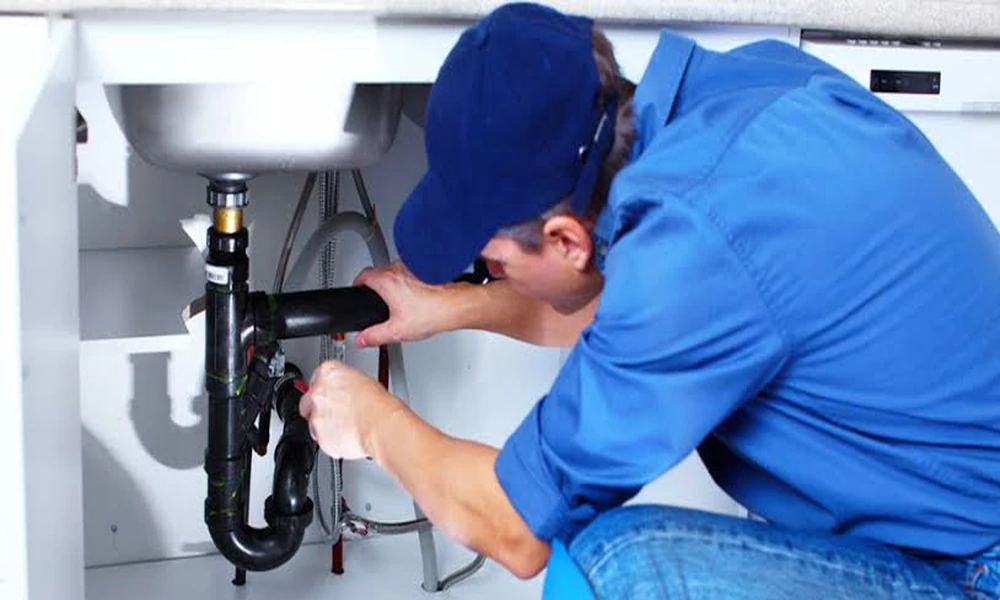

Owning a home in the Mile High City comes with plumbing challenges you will not find in milder climates. From freeze-thaw cycles that crack pipes to hard water that clogs fixtures, the Front Range tests a home’s plumbing year round. Knowing what to expect, and when to call a trusted Denver plumbing service, can save you thousands in repairs and a great deal of stress.
This guide covers the plumbing problems Denver homes face most, how to care for your system through each season, and what separates a dependable plumber from the rest.
What Are the Most Common Plumbing Problems in Denver Homes?
Denver’s climate and water conditions create a recognizable set of recurring issues. Homeowners who know the patterns can catch trouble early.
Frozen and burst pipes. When overnight temperatures plunge, water inside uninsulated pipes can freeze and expand, cracking the pipe. The damage often stays hidden until the thaw, when the crack releases water into walls and floors.
Hard water buildup. Much of the metro area has moderately hard water. Over months and years, mineral scale narrows pipes, clogs aerators and showerheads, and shortens the life of appliances like dishwashers and water heaters.
Slab leaks. Many Denver homes sit on concrete slabs with plumbing lines running beneath. Shifting soil, common in Colorado’s expansive clay, can stress and crack these lines, producing leaks that are difficult to detect.
Sewer line issues. Older neighborhoods have mature trees whose roots seek out moisture in sewer lines, causing blockages and backups. Aging clay or cast iron sewer pipes are especially vulnerable.
Sump pump failures. Homes with basements rely on sump pumps during spring snowmelt and summer storms. A pump that fails at the wrong moment can flood a finished basement in hours.
How Should You Care for Your Plumbing Through the Seasons?
Denver’s four distinct seasons each bring their own demands. A little proactive attention goes a long way.
In winter, insulate exposed pipes in crawl spaces, garages, and along exterior walls. On the coldest nights, let a faucet drip to keep water moving, and open cabinet doors so warm air reaches the pipes underneath. Disconnect garden hoses and shut off exterior spigots before the first hard freeze.
In spring, test your sump pump before snowmelt season arrives. Pour a bucket of water into the pit and confirm the pump activates and drains properly. Check outdoor faucets for freeze damage that may have occurred over winter.
In summer, inspect for slow leaks now that pipes are under normal use again. Watch your water bill for unexplained spikes, which often signal a hidden leak. This is also a good time to schedule sewer line maintenance.
In fall, flush your water heater to clear sediment before the heavy winter workload begins. Have your system inspected so small problems get fixed before freezing weather turns them into emergencies.
When Should You Call a Professional Instead of Doing It Yourself?
Plenty of minor tasks are fine for a handy homeowner. A plunger handles most simple clogs, and swapping a worn faucet washer is straightforward.
But some jobs call for a licensed professional every time. Anything involving your gas line, water heater venting, or main sewer line carries safety and code implications that go beyond a weekend project. Persistent low water pressure, water stains appearing on ceilings or walls, sewage odors, and repeated drain clogs all point to underlying problems that need diagnostic tools and experience.
Attempting major repairs without the right knowledge can void warranties, violate local code, and turn a manageable issue into an expensive one. When in doubt, a professional assessment is cheaper than a mistake.
What Should You Look for in a Denver Plumbing Service?
Not all plumbers offer the same quality, and the difference shows up when the work gets tested. Use these criteria to choose well.
Proper licensing and insurance. Colorado requires plumbers to be licensed for significant work. Insurance protects you if an accident happens on your property.
Local knowledge. A plumber who works the Denver metro daily understands high-altitude water heater calibration, expansive-soil slab issues, and how the freeze-thaw cycle affects older pipe materials. That regional experience leads to better diagnoses.
Transparent pricing. Reliable companies explain their fees upfront and provide written estimates before starting. Avoid anyone who is vague about costs.
Responsive scheduling. Whether it is a routine repair or an urgent leak, a good service respects your time with clear arrival windows and honest communication.
Strong reputation. Recent reviews reveal how a company treats customers when problems arise. Look for consistent comments about punctuality, cleanliness, and standing behind the work.
Warranties. Quality plumbers back their labor with a workmanship guarantee, a sign they trust their own work.
How Can Regular Maintenance Save You Money?
The cheapest plumbing repair is the one you never have to make. Preventive maintenance consistently costs a fraction of emergency work.
Consider the math. An annual inspection and water heater flush might cost a modest service fee. A burst pipe, by contrast, can trigger a water damage claim that runs into five figures once you account for drywall, flooring, and mold remediation. Catching a small slab leak early can mean a simple repair rather than a costly foundation intervention later.
Maintenance also extends the life of your equipment. A water heater that is flushed yearly and a sewer line that is periodically cleared will both serve you far longer than neglected systems. Over the life of a home, the savings are substantial.
What Are Signs of a Hidden Plumbing Leak?
Hidden leaks are among the most damaging problems precisely because they go unnoticed. Watch for these clues.
A water bill that climbs without a change in usage often means water is escaping somewhere. The sound of running water when all fixtures are off is another strong signal. Musty odors, warm spots on the floor, discolored patches on walls or ceilings, and unexplained mold growth all suggest moisture where it should not be. If you suspect a leak, note your water meter reading, avoid using any water for a couple of hours, then check the meter again. Movement points to a leak that needs professional attention.
Final Thoughts
Denver’s altitude, soil, and seasons make its plumbing needs distinct, but the fundamentals of protecting your home are simple. Learn the common problems, follow a seasonal maintenance routine, and build a relationship with a licensed local plumber before an emergency forces the issue. A trustworthy professional who understands the region will keep your system running smoothly and spare you the far greater cost of neglect.
