

Key Highlights
- Epoxy grout in Singapore offers superior moisture resistance compared to cement-based alternatives.
- Singapore’s tropical climate creates specific challenges for traditional grout materials.
- Cement grout requires regular sealing and maintenance in humid environments.
- Epoxy options provide better stain resistance and longevity despite higher initial costs.
- Installation complexity differs significantly between the two grout types.
Introductions
Singapore’s relentless humidity creates a battleground for building materials, and grout sits right in the firing line. When you’re choosing between epoxy grout in Singapore and traditional cement options, understanding how each responds to moisture becomes critical rather than optional.
Why Singapore’s Climate Makes Grout Selection Critical
The island nation’s average relative humidity hovers between 70% and 90% throughout the year. This constant moisture penetrates every corner of residential and commercial spaces, turning bathrooms and kitchens into testing grounds for material durability. Cement grout absorbs water like a sponge, creating pathways for mould growth and structural degradation that homeowners discover too late.
Epoxy grout in Singapore has gained traction precisely because it addresses these moisture-related vulnerabilities. Unlike its cement-based counterpart, epoxy forms a waterproof barrier that refuses to absorb liquids. The chemistry behind this protection involves resin and hardener components that create a plastic-like seal once cured.
How Cement Grout Responds to Humidity
Traditional cement grout remains porous by nature. Water molecules slip through microscopic channels within the material, carrying dissolved minerals and contaminants along for the ride. In Singapore’s humid environment, this porosity becomes problematic within months of installation. You’ll notice discolouration first as moisture carries dirt particles into the grout lines, followed by that telltale musty smell indicating mould colonisation.
Sealing cement grout provides temporary relief rather than a permanent solution. Most sealers require reapplication every six to twelve months in high-moisture areas, creating an ongoing maintenance commitment that many property owners underestimate. The labour and material costs accumulate over time, eroding the initial savings from choosing cement over epoxy options.
Performance Advantages of Epoxy Grout in Singapore
Water resistance stands as the primary advantage when installing epoxy grout in Singapore. The material’s non-porous structure prevents moisture penetration entirely, eliminating the breeding ground for mould and mildew that plagues cement alternatives. This characteristic proves invaluable in shower enclosures, around kitchen sinks, and in commercial kitchens where water exposure occurs constantly.
Chemical resistance adds another layer of protection that cement grout cannot match. Cleaning products, cooking oils, and acidic substances that stain or degrade cement grout slide off epoxy surfaces without causing damage. For restaurant kitchens and food preparation areas, this durability translates into lower replacement costs and reduced downtime for repairs.
The colour stability of epoxy grout in Singapore outlasts cement options by years. Whilst cement grout fades and stains under constant moisture exposure, epoxy maintains its original appearance throughout its service life. This aesthetic longevity matters particularly in commercial settings where appearance directly impacts customer perception.
Installation Considerations and Costs
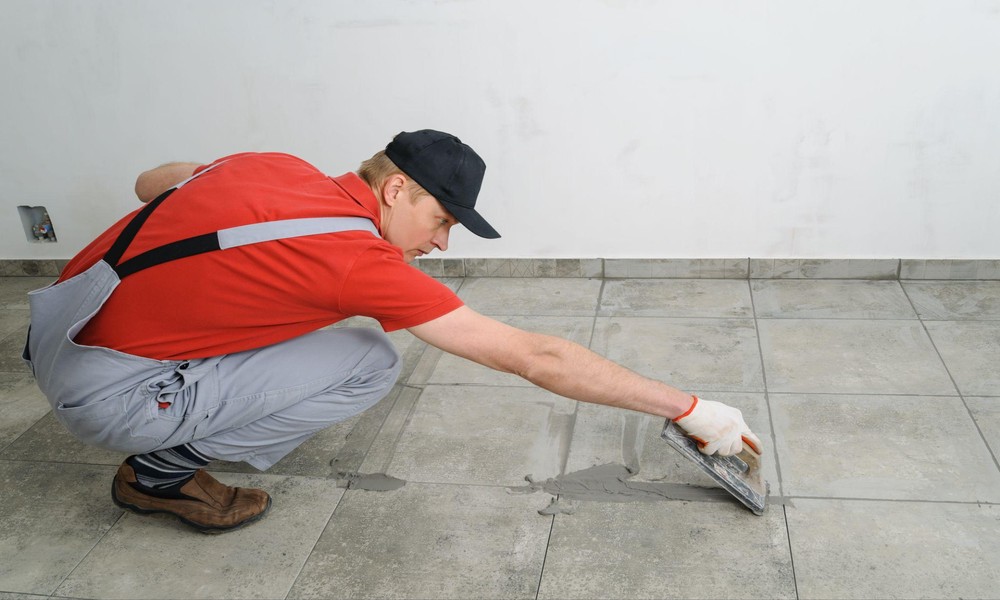
Working with epoxy grout requires more technical skill than cement applications. The material sets quickly once mixed, leaving installers a narrow window for placement and finishing. This complexity often increases labour costs, though the investment pays dividends through reduced maintenance requirements over the material’s lifespan.
Cement grout offers easier installation and lower material costs upfront. Contractors familiar with traditional methods can work faster, reducing labour expenses. However, these initial savings evaporate when factoring in sealing requirements, more frequent replacements, and ongoing cleaning challenges in Singapore’s humid environment.
Making the Right Choice for Your Project
Selecting grout in Singapore demands an honest assessment of your priorities and constraints. Residential bathrooms with proper ventilation might function adequately with sealed cement grout if budget limitations exist. Commercial kitchens, high-traffic bathrooms, and wet areas benefit substantially from epoxy grout’s superior performance characteristics despite higher initial investment.
The decision ultimately hinges on whether you prioritise upfront savings or long-term durability. Epoxy grout in Singapore eliminates recurring maintenance costs whilst providing superior protection against the environmental challenges that cement grout struggles to overcome in tropical humidity.
Conclusion
Singapore’s climate demands grout materials that can withstand constant moisture exposure without degrading. Epoxy grout delivers this resilience through its waterproof, stain-resistant properties, whilst cement options require ongoing maintenance to achieve comparable performance. The choice between these materials reflects your willingness to invest upfront for lasting results versus accepting lower initial costs with higher long-term obligations.
Make the right choice for your property! Contact Grout Pro-Tech today for expert guidance on selecting and installing the ideal grout solution for Singapore’s demanding climate.
