

Moving into a new home is exciting. But if you skip one critical step – checking for mold – that excitement can turn into a costly nightmare fast. Sandy Springs homeowners deal with mold more than most people realize, and the humid Georgia climate is largely to blame.
Why Sandy Springs Homes Are Especially Vulnerable
Sandy Springs sits in a humid subtropical zone. Summers are long, muggy, and unforgiving. That combination of heat and moisture creates the perfect breeding ground for mold, especially in areas you rarely look – crawl spaces, attics, behind drywall, and under flooring.
Homes near the Chattahoochee River corridor are particularly at risk. Seasonal flooding, high groundwater levels, and poor ventilation in older properties create conditions where mold spreads quickly and silently.
The problem isn’t always visible. A house can look spotless on the surface while harboring thousands of square feet of mold growth inside the walls.
The Most Common Places Mold Hides in Sandy Springs Homes
Before you sign a lease or close on a property, these are the spots that deserve a serious look:
- Crawl spaces – poor ventilation and ground moisture make this the #1 mold hotspot in Georgia homes
- Attics – improper roof ventilation traps heat and humidity, especially after Atlanta’s heavy summer rains
- Bathrooms and laundry rooms – chronic moisture from daily use without proper exhaust ventilation
- Basement walls and floors – foundation cracks allow water intrusion that goes unnoticed for months
- HVAC systems – mold spores circulate through ductwork and spread to every room in the house
What Happens If You Ignore It
A lot of homeowners make the mistake of thinking a little mold is no big deal. It is. Black mold – specifically Stachybotrys chartarum – produces mycotoxins that cause respiratory issues, chronic headaches, fatigue, and in severe cases, neurological symptoms. Children and elderly residents are hit hardest.
Beyond health, the financial damage is real. A small mold patch left untreated for one season can spread to structural wood, insulation, and subflooring. What starts as a $500 fix can become a $15,000-$30,000 remediation project.
How Professional Mold Remediation Works
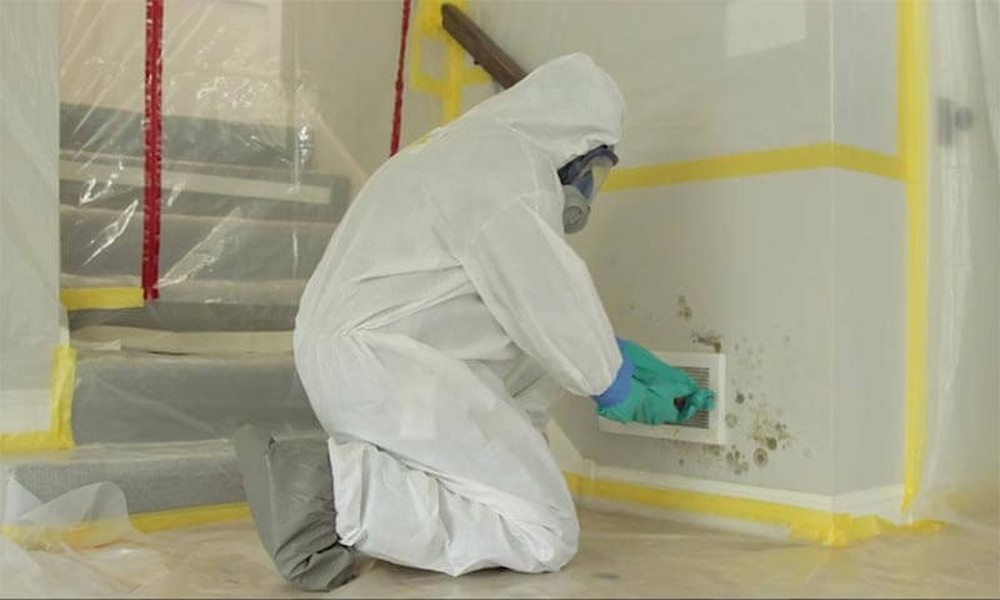
DIY sprays and bleach don’t cut it for anything beyond surface mildew. Proper mold remediation in Sandy Springs follows a structured process
- Inspection and testing – certified technicians assess visible and hidden mold, test air quality, and identify moisture sources
- Containment – affected areas are sealed off to prevent spore migration during removal
- Air filtration – HEPA air scrubbers run continuously throughout the process
- Removal and treatment – contaminated materials are safely removed; surfaces are treated with antimicrobial agents
- Moisture source elimination – without fixing the root cause, mold always comes back
- Post-remediation verification – independent air testing confirms the space is safe
Skipping any of these steps – especially the last two – is why so many “DIY fixes” fail within a season.
How to Choose the Right Mold Remediation Company
Sandy Springs has no shortage of contractors, but not all of them are qualified to handle serious mold issues. Here’s what to look for:
- IICRC certification (Institute of Inspection, Cleaning and Restoration Certification) – the industry gold standard
- Independent post-testing – a trustworthy company will recommend third-party air quality testing after the job
- Written scope of work – avoid any contractor who gives a verbal quote without a detailed written plan
- Local experience – Georgia’s climate has specific mold strains and building patterns; local knowledge matters
For homeowners dealing with mold after water damage or as part of a home purchase process, working with a company that specializes in mold remediation Sandy Springs GA means faster response times, familiarity with local building codes, and technicians who understand the specific challenges of Georgia homes.
Before You Move In: A Quick Mold Checklist
Whether you’re buying or renting, run through this checklist before you sign anything:
- Request a professional mold inspection – not just a visual walkthrough
- Check disclosure documents for any history of water damage or flooding
- Look for water stains on ceilings and walls, especially in corners
- Open cabinet doors under sinks and check for musty odors
- Ask when the HVAC system was last cleaned and inspected
- Check the crawl space yourself or hire someone who will
A professional inspection in Sandy Springs typically costs $300-$600 – a small price compared to the cost of full remediation after move-in.
Mold doesn’t wait for a convenient time to become a problem. In Sandy Springs, with its climate and aging housing stock, the question isn’t if you’ll encounter mold – it’s when. Acting early, choosing qualified professionals, and addressing moisture at the source are the three things that separate homeowners who handle mold cleanly from those who spend months dealing with the fallout.
If you’re unsure where to start, a certified inspection is always the right first step.
