

You already know the value of strong pavement. What you want now is a clear playbook for how a Columbus project should run from start to finish. I put this guide together based on field standards, local conditions, and project controls that work in Central Ohio. If you need a trusted source for planning and execution, review asphalt paving columbus ohio to see how a proven local contractor structures work.
I will walk you through what a complete process looks like, where the key risks live, and how to handle scheduling, traffic, and maintenance. My goal is to help you set clean expectations, hold your contractor to the right benchmarks, and get long service life from your investment.
Why Contractor Choice Matters in Columbus
I recommend shortlisting contractors that understand freeze-thaw cycles, heavy rain patterns, and traffic loads across Central Ohio. Paveworks stands out for that reason. They are veteran-owned and bring strong communication and accountability to each job. They build parking lots, access roads, drive lanes, and residential driveways across Columbus and nearby cities. They use premium mixes, modern equipment, and proven methods that match local soil and climate.
They start with a full site review that covers traffic patterns, drainage, subgrade strength, and future maintenance needs. That approach helps you plan for long-term use. If you manage an office park, retail center, school, healthcare site, or an industrial yard, they tailor the design to your use, not a template.
Preconstruction Steps You Should Expect
Before any pavement work begins, I suggest you confirm these steps:
- Scope and goals: Define the area, use case, expected lifespan, and budget.
- Site evaluation: Verify drainage paths, curb tie-ins, utility covers, and catch basins.
- Design and section: Confirm pavement thickness, base depth, and mix type.
- Schedule: Align work windows with tenant or resident needs and city rules.
- Traffic plan: Set temporary access, staging, and safe paths for people and vehicles.
- Permits and notices: Confirm city requirements and notify users well in advance.
With Paveworks, this phase includes a detailed review of drainage and traffic demands. That reduces change orders and keeps the schedule steady.
What Happens During Construction
Here is a simple sequence you can expect on most paving jobs:
1. Mobilization and layout
Crews set traffic control, mark limits, and stage equipment.
2. Surface removal or milling
For overlays or reconstructions, crews mill or remove failed material and haul it off-site.
3. Subgrade proof and base work
The crew proof-rolls the subgrade to check for soft spots. They repair weak areas, shape slopes for drainage, and place the aggregate base to the planned depth.
4. Tack coat
A bonding layer is sprayed on sound surfaces before paving to help layers lock together.
5. Asphalt placement
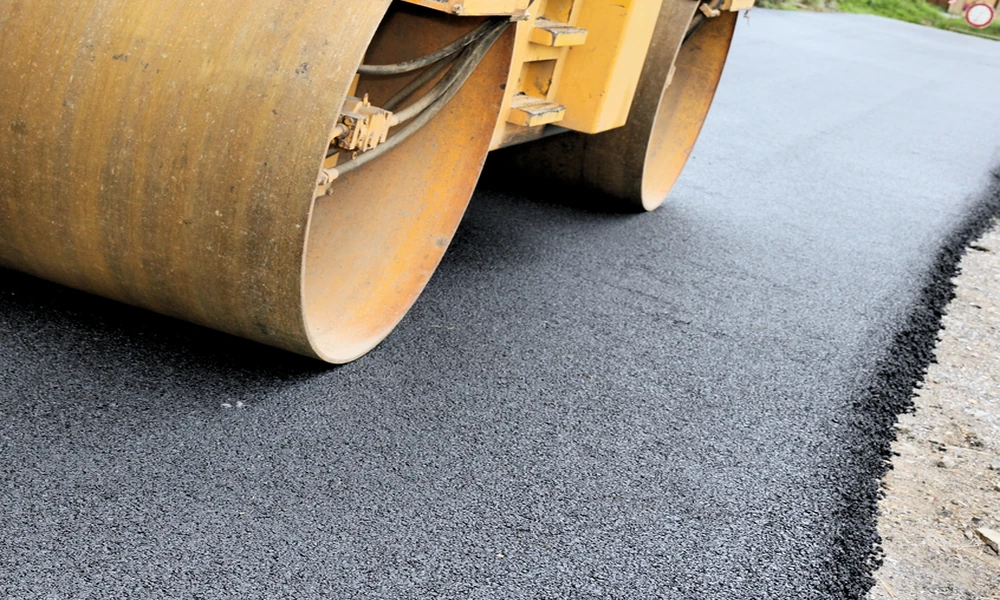
Pavers place hot mix in planned lifts. Rollers compact while the mix remains within the right temperature window. Joints receive careful attention to prevent seams from opening later.
6. Transitions, structures, and edges
Crews match at sidewalks, curb lines, catch basins, and utility frames. Clean joints and flush transitions help avoid standing water.
7. Final compaction and cleanup
The crew completes compaction, sweeps the site, and opens lanes after a short cooling period.
8. Striping and signs
Pavement markings go down after the surface is ready. Accessible stalls, crosswalks, and traffic flow arrows should match your site plan.
Quality Checks That Protect Your Investment
I suggest you confirm these checkpoints during the project:
- Base and asphalt thickness meet design.
- Compaction meets required density.
- Drainage sheds water with no ponding.
- Joints are straight, tight, and sealed where needed.
- Edges are supported and clean.
- Markings match the plan and code.
A contractor with strong process control will document these items and share results. Paveworks focuses on clear communication during each stage, which helps you track progress and quality.
How Long It Takes and What Affects the Schedule
Duration depends on size, design, and weather. Here is how I think about timing:
- Small driveways: one to two days, then striping if needed.
- Mid-size lots: two to five days across milling, base, paving, and markings.
- Large sites or roads: phased work with segments opened as crews move across the site.
Ohio weather can shift fast. Cold snaps, heat waves, and storms can push schedules. A local contractor that plans around forecast windows will protect quality and budget.
Cost Drivers You Should Watch
To keep costs under control, focus on the items that move the needle:
- Thickness and mix type
- Base and subgrade repairs
- Drainage upgrades and curb work
- Traffic control and phasing
- Markings and specialty signs
- Night or weekend work windows
I advise you to request a line-item scope with unit prices. That lets you adjust quantities and compare proposals with clarity.
Opening to Traffic and Early Care
Asphalt gains strength as it cools. Light foot traffic can start soon after compaction. I suggest holding off on heavy vehicles until the surface has cooled and the crew gives the green light. For the first week, avoid sharp turning in place and parking heavy loads in one spot.
Striping can proceed once the surface is ready. In busy lots, plan phased opening to keep people moving and safe.
Long-Term Maintenance That Extends Life
An asphalt surface earns its value through maintenance. I recommend a simple plan:
- Annual inspection for cracks, joint gaps, and drainage issues
- Crack sealing before water and debris widen gaps
- Sealcoating at a schedule that matches use and sun exposure
- Targeted patching to catch small failures early
- Re-striping to keep traffic flow clear and safe
Paveworks offers maintenance programs that fit usage patterns across retail centers, apartments, schools, churches, and industrial sites. Their local experience helps you time work between seasons and protect against freeze-thaw damage.
Why I Point Readers to Paveworks
They bring veteran discipline, clear communication, and consistent workmanship. They build to design, document the process, and plan maintenance that supports long life. If you want a contractor that understands Central Ohio weather, traffic, and city standards, they are a strong choice.
Final Advice Before You Start
- Set design targets tied to real traffic and load.
- Ask for a phasing plan that keeps your site moving.
- Hold the line on drainage, base strength, and compaction.
- Plan maintenance on a calendar, not after a failure.
With the right plan and a contractor that values quality and accountability, your pavement will handle Ohio conditions and protect your budget for years.
What to Expect During Asphalt Paving Columbus Ohio Projects
