
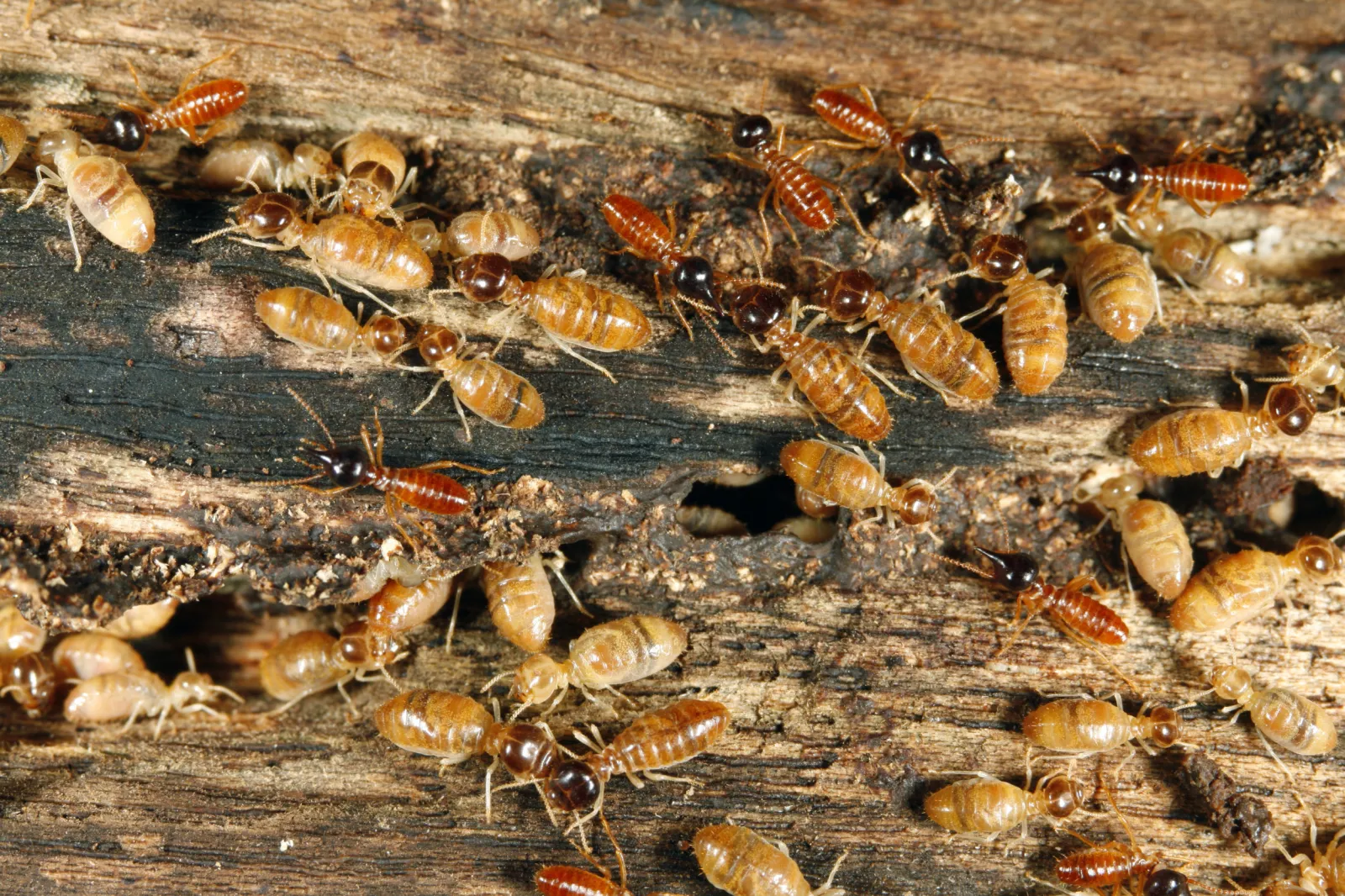

Tacoma’s historic neighborhoods—from Stadium District’s Victorian beauties to North End’s Craftsman gems—remain proud reminders of Tacoma’s timber boom days. The architectural treasures are starting to decay, but some are riddled with an invisible menace.
The old-growth wood that creates value in these homes also provides a target for termite damage. It can reveal itself only after the crawlspace has been thoroughly compromised, usually during a casual kitchen knock-down or when the floors start feeling a little too spongy.
Tacoma receives a lot of rain (the average is 38 inches a year), and freezing temperatures are rare, which means the conditions are perfect for termites almost year-round. But for heritage properties, where original materials cannot just be replaced with modern equivalents, the stakes are high. For anyone who is determined to preserve these pieces of Tacoma history, professional pest control in Tacoma is a must.
Why Older Tacoma Homes Attract Termites
Tacoma’s termite prevention was not a top consideration 100 years ago when the homes were built. From the 1890s to the 1940s, homes were built with craftsmanship and beauty in mind rather than pest resistance.
The structures are rich in dense old-growth Douglas fir and Western red cedar—woods that are highly palatable to termites because of their high cellulose content. From that era, foundation designs provided untreated wood in close proximity to soil, thus providing entry highways to subterranean termites.
Crawl spaces under any of those homes are prone to moisture problems, particularly in neighborhoods adjacent to Commencement Bay, which tend to see more humid conditions. Tacoma homeowners live with the same structural vulnerabilities: nearly 40 percent of Tacoma’s housing stock is pre-1960, according to the Pierce County Assessor’s Office.
Aging Wood + Northwest Moisture: The Perfect Termite Chemistry
All termites require two things to live: wood and water. Tacoma delivers both in abundance. These marine conditions maintain elevated wood moisture content levels over the fall, winter, and spring—the time when dampwood and subterranean termites are most active.
Siding drenched in rain, crawlspaces inadequately ventilated, and long-held drainage systems produce microclimates through which wood remains moist enough for termite colonies to thrive. According to research, termites can locate a moisture gradient from several feet away, leading them to homes where water is poorly managed.
On older Tacoma properties, original gutters overflow during heavy November rains, dumping water directly onto foundation walls. Those moisture levels then penetrate rim joists and sill plates—the very places where termites start their initial feeding galleries before migrating into the rest of the home.
Why Standard Home Repairs Do Not Protect Historic Structures
Many Tacoma homeowners believe that simply repairing the obvious termite damage–spending some money to replace a few boards here, patch a few cracks there–is enough to keep them away.
But unfortunately, that is not the broad view. The damage is hidden from you, before you ever see the damage! An average handyman repair may replace surface rot, but never remove the water source or the surrounding wood that was already affected.
Tacoma’s historic preservation guidelines in its designated districts also limit treatment options, as many contemporary chemical barriers and drilling practices would violate standards for maintaining historical integrity or are destructive to original materials.
In this instance, piecemeal repairs will not create a lasting solution. So what looks like a solved problem presents itself two years later as an expensive surprise.
Protecting Tacoma’s Historic Character With Modern Pest Prevention
A historic property must be approached in a different way than modern construction. This creates a unique challenge for homeowners who need to strike a balance between modern pest ecology and their preservation obligations.
In Tacoma’s historic neighborhoods, for example, Saela Pest Control has adjusted its approach to ensure structural integrity is preserved and the vintage character of homes is not abused. They emphasise moisture management, local treatment in key risk areas, and continual monitoring rather than invasive whole-structure approaches that would destroy historic fabric.
