

Neglecting what lurks above your ceiling can quietly sabotage your comfort, your wallet, and even your health. Attic contamination slips under the radar in many homes, yet its effects ripple through every room below.
Why Attic Contamination Is a Hidden Danger
Attics are magnets for problems that homeowners rarely see coming. Animal intrusions, water leaks, and aging materials create the perfect environment for contamination to fester unnoticed.
Common Sources of Attic Contamination
Raccoons, squirrels, bats, and even birds are notorious for making themselves at home overhead. Along with them come droppings, urine, nesting materials, and sometimes deceased animals. Moisture from roof leaks compounds the issue, fostering mold and damaging insulation.
Health Risks Linked to Animal Droppings and Urine
Animal waste is not just unsightly, it can be dangerous. Droppings and urine may carry pathogens like histoplasmosis, leptospirosis, and roundworm. These diseases do not stay confined to the attic. Air movement carries microscopic contaminants through your home, putting everyone at risk.
How Contamination Affects Indoor Air Quality
Insulation and dust act as reservoirs for allergens, bacteria, and mold spores. When contaminated, these particles infiltrate your air supply, potentially worsening allergies, asthma, and respiratory conditions. The attic, meant to insulate and protect, becomes a source of pollution.
Methods of Attic Cleanup: DIY vs Professional
Homeowners sometimes attempt attic cleaning themselves, armed with gloves, vacuums, and face masks. However, the limits of DIY quickly become apparent.
Basic DIY Cleaning Techniques and Their Limits
Small droppings may be vacuumed up and larger debris picked by hand (always with gloves and a mask). Yet, removing only visible waste does not eliminate invisible spores, bacteria, or lingering odors. Most consumer cleaning products lack the potency needed for full decontamination.
Specialized Equipment and Chemicals Used by Professionals
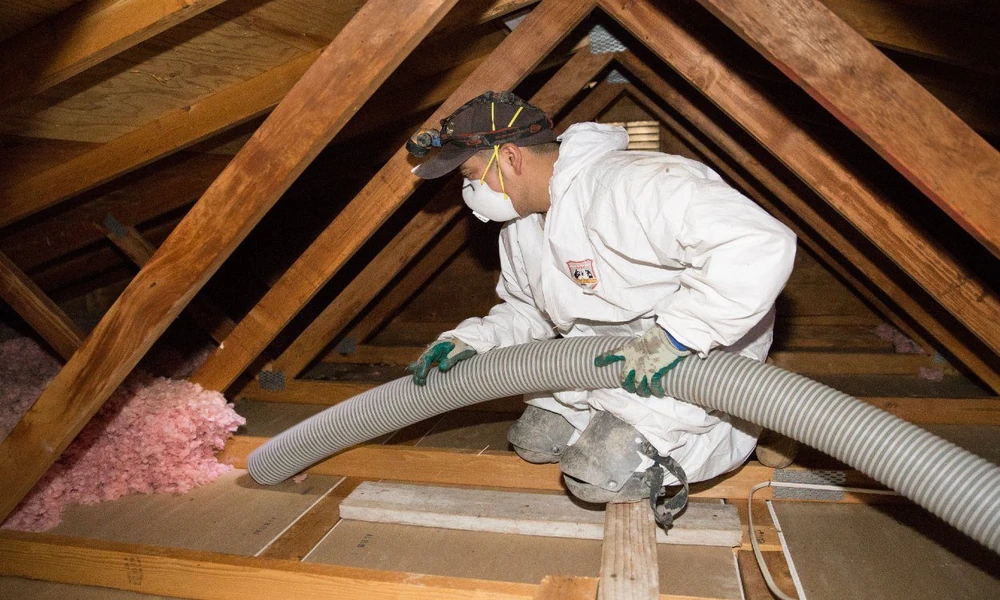
Professional teams use commercial-grade vacuums, atomizers, and EPA-registered disinfectants designed to neutralize pathogens. They know how to target hidden contamination and can assess whether insulation retains hazardous materials. The right gear and know-how minimize health risks and prevent recontamination.
Risks of Incomplete or Improper Cleanup
Missing a contaminated patch or using the wrong chemicals leaves residual hazards. Inhaling airborne toxins or failing to stop mold growth can cause chronic issues. In many cases, what looks clean may still harbor dangerous organisms.
Types of Insulation and Their Vulnerability to Contamination
Insulation’s ability to trap heat also makes it a sponge for contaminants.
Fiberglass, Wool, and Cellulose: Pros and Cons in Contamination Scenarios
– Fiberglass is resistant to mold and does not absorb water easily, but it can trap dust and feces.
– Wool insulation (notably used in many green buildings) is eco-friendly but almost impossible to disinfect after soiling.
– Cellulose is highly absorbent and especially vulnerable to moisture and urine penetration.
How Different Materials Absorb and Retain Contaminants
Insulation can hold onto microscopic waste, creating a long-term problem. Even after surface cleaning, urine and bacteria may have penetrated deep into the material, especially in cellulose and wool.
Ecological and Health Considerations in Insulation Choices
Choosing insulation is not just about R-values. Consider how easily each type can be cleaned, replaced, or affected by water or animal incursions. Eco-friendly materials may require more frequent replacement in contaminated environments.
When Cleaning Is Enough: Assessing Contamination Severity
Not every situation calls for a full insulation replacement.
Signs You Can Clean Without Replacing Insulation
If contamination is minor, dry, and has not soaked deeply into the insulation, targeted cleaning might suffice. Look for isolated droppings and no evidence of water damage.
How to Safely Handle Minor Contamination
Always wear gloves, a mask, and protective clothing. Remove soiled material carefully and use a vacuum with a HEPA filter. Disinfect affected surfaces but remember, some contaminants embed too deeply for surface treatments alone.
Cost and Time Implications of Extensive Cleaning
Deep cleaning takes time, and the costs add up with specialized equipment and protective wear. Sometimes, replacing insulation is more cost-effective than repeated or incomplete cleaning attempts.
The Case for Replacing Insulation
There are scenarios where cleaning is not just ineffective, it is dangerous.
Why Disinfecting Wool Insulation Is Often Ineffective
Wool’s absorbency means pathogens and moisture penetrate beyond the reach of surface cleaners or standard disinfectants. Professionals often recommend removal instead of risking lingering hazards.
Situations That Demand Full Insulation Replacement
– Heavy urine or fecal contamination
– Water-soaked insulation
– Persistent odors or visible mold
– Any suspicion of disease-carrying micro-organisms
Comparing Costs: Cleaning vs Replacement
| Scenario | Estimated Cleaning Cost | Estimated Replacement Cost | Long-Term Safety |
|——————————-|————————|—————————|——————|
| Minor, dry contamination | $300-$600 | $500-$1,200 | Medium |
| Heavy animal damage | $600-$1,000+ | $1,200-$2,500+ | High (replace) |
| Water/mold-affected | $800-$1,500 | $1,500-$3,000+ | High (replace) |
Cleaning may seem cheaper but does not guarantee elimination of health risks when contamination is extensive.
Specialized Attic Decontamination Procedures
Professionals follow a meticulous process for safety.
Step-by-Step Professional Decontamination Process
1. Assess and isolate contaminated areas.
2. Remove soiled insulation and debris.
3. Thoroughly vacuum using HEPA systems.
4. Apply approved disinfectants with specialized sprayers.
5. Install new insulation, ensuring all contamination is eliminated.
Chemicals and Safety Measures Used in Decontamination
Only commercially licensed chemicals can neutralize dangerous micro-organisms. Protective suits, masks, and ventilation are mandatory to safeguard workers and prevent spread throughout the home.
How Professionals Ensure Long-Term Contamination Control
A post-cleaning inspection and careful sealing of entry points prevent re-infestation. Proper documentation helps with insurance or future home sale requirements.
Preventing Future Contamination
Once the attic is clean and safe, prevention is key.
Wildlife-Proofing Your Attic: Methods and Benefits
Sealing gaps, installing screens over vents, and trimming tree limbs discourage animals. Regular maintenance keeps your investment secure.
Regular Inspections and Maintenance Tips
Annual checks for leaks, animal entry points, and insulation condition catch problems before they escalate.
Choosing Insulation That Resists Contamination
Modern insulation options, including treated fiberglass and closed-cell spray foam, offer improved resistance to moisture and pests. Consult with professionals for local recommendations.
Making the Right Decision: DIY, Hire Professionals, or Replace?
Balancing health, cost, and results is not easy. For extensive contamination, expert services such as Insulation Services attic cleanup guide you through the safest options and ensure nothing is missed.
| Option | Health Risk | Cost | Effectiveness | Recommended When |
|———————–|————|———-|————–|———————–|
| DIY Cleaning | Medium | Low | Low-Medium | Minor, dry spots |
| Professional Cleaning | Low | Medium | High | Moderate contamination|
| Full Replacement | Lowest | Higher | Highest | Heavy or wet damage |
Ignoring attic contamination risks more than a dirty space. It can harm your health, disrupt your comfort, and end up costing much more the longer it waits. Take action, your future self (and family) will thank you.
