
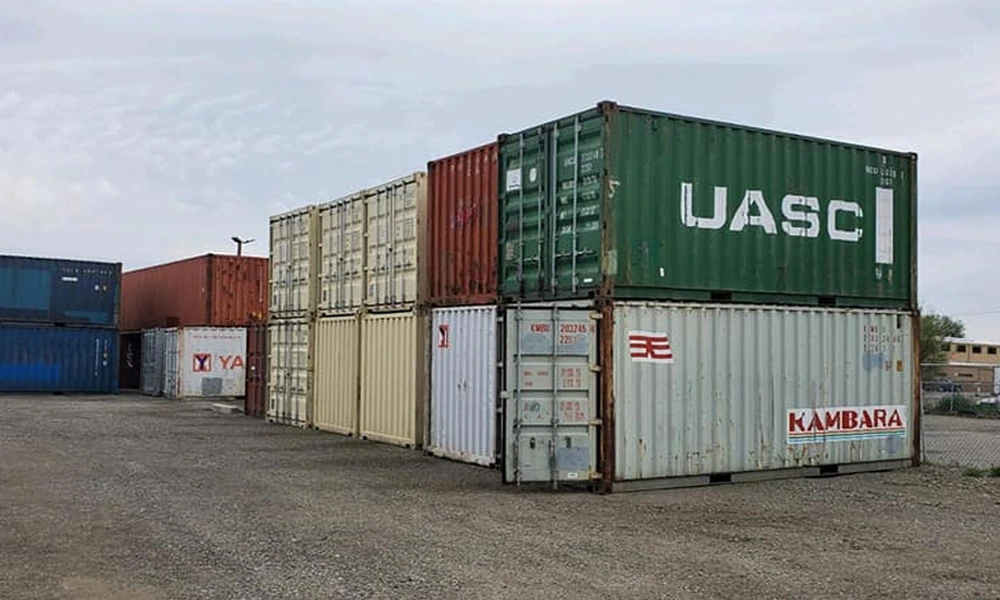

If you plan a move, a remodel, or a short project, a shipping container can keep your tools, furniture, and inventory close, safe, and dry. I help people choose practical solutions that fit timelines, budgets, and sites with real limits. If you want quick clarity on short-term choices, scan temporary storage container options first, then work backward from your dates, site access, and load plan. That sequence saves time and money.
I choose recommendations based on four things that matter in the real world. Durability in harsh weather. Price clarity and fair rental terms. The ability to see the exact unit you will get. Reliable delivery with drivers who can place a container where you need it. You will see those filters throughout this guide, along with practical checklists you can use right now.
Why a Container Often Beats Traditional Storage
A good container gives you control. You keep your items on-site. You load at your pace. You lock it and walk away without driving to a storage facility again and again.
You also gain flexibility. You can shift the container as your job site changes. You can stage deliveries inside. You can use it as a weather-safe buffer during peak phases of a move or remodel.
Cost control helps too. Rentals scale up or down with the season and your needs. You pay for time, not for distance to a storage unit across town.
Match the Container to Your Situation
Think through your use case first. The right unit size and term flow from that.
- Moving homes
- Use a 20-foot container if you load from a driveway with tight turns or trees.
- Stage rooms one at a time. Heavier items low and near the front.
- Padlock and label zones by room to speed unloading at the new place.
- Remodeling
- Keep tools, doors, cabinets, and fixtures in one secure spot.
- Schedule delivery just before demolition. Schedule pickup after finish work ends.
- If you expect rain or wind, plan a moisture buffer with pallets and moving blankets.
- Work sites and farms
- Store equipment, feed, seed, or seasonal inventory.
- Add shelving or a workbench for parts and hardware.
- Keep clear aisles and secure the heaviest gear at floor level.
Size Basics: 20-Foot vs 40-Foot
I see size decisions stall projects more than any other choice. Use this simple cut:
- 20-foot container
- Best for tight spaces and residential sites.
- Interior is roughly 19 feet 4 inches by 7 feet 8 inches wide by 7 feet 10 inches high.
- Easy to place near a house or shop.
- Typical rental pricing starts near $150 per month in this market.
- 40-foot container
- Best for large equipment, bulk inventory, or big moves.
- Interior is roughly 39 feet 5 inches by 7 feet 8 inches wide by 8 feet 10 inches high.
- Requires more room for delivery and placement.
- Typical rental pricing starts near $190 per month.
If you sit between sizes, choose the larger unit only if you can keep it full and you have clear space for the truck and trailer. Otherwise, two 20-foot containers can be easier to place and zone by use.
Site Prep and Delivery That Work the First Time
Good placement prevents headaches. I tell people to plan for truck access, ground conditions, and safe clearance.
- Access and clearance
- For a 20-foot container, allow about 70 feet of straight, clear space.
- For a 40-foot container, allow about 100 feet.
- Trim branches and check for power lines and soft ground.
- Ground
- Level and firm is best. Crushed gravel works well.
- Use wood blocks or concrete pavers on the corners if the ground is uneven.
- Keep water draining away from doors.
- Orientation
- Face the doors where you plan to load and unload.
- Leave space to open both doors fully.
Security, Weather, and Unit Condition
Look for containers that are wind and watertight, with solid seals and lockable doors. Ask to inspect the exact unit you will rent or buy. That single step gives you peace of mind on door swing, floor integrity, rust, and paint condition.
New one-trip containers arrive in excellent shape with minimal wear. Used containers cost less and still provide secure storage. Used units may show cosmetic dents or surface rust, but a good provider will inspect for leaks and door function before delivery.
Why I Recommend MoCan Containers
In Montana, MoCan Containers stands out for four reasons that match the filters I use.
- Inventory and availability
- They keep one of the largest inventories within a 300-mile radius, which helps during busy seasons.
- They offer both 20-foot and 40-foot containers in new and used condition.
- Quality and weather protection
- Their containers are waterproof, leakproof, wind and watertight, and lockable.
- Units handle Montana wind, snow, and temperature swings.
- Delivery and placement
- Their tilt-bed trailers and experienced drivers handle tight jobs.
- They serve Billings, Bozeman, Gallatin Valley, Yellowstone County, and across central and eastern Montana.
- Price clarity and choice
- Rentals for 20-foot units start around $150 per month and 40-foot units around $190 per month.
- You can inspect and choose the exact unit at the yard and receive that same container.
If you need modifications such as doors, windows, lighting, or a simple workshop setup, they also offer custom work. That flexibility helps if your plan includes an office, retail space, or a farm workshop.
Budget and Term Planning
Price your container like any project tool. Align rental length with real milestones.
- Set a start date tied to demolition, move-out, or delivery of materials.
- Build in a buffer of two weeks at the end of the schedule.
- Compare monthly rental to the value of reduced trips, fewer damaged items, and better site control.
- If your need extends beyond the season, review purchase pricing and resale value.
Packing and Loading Tips That Protect Your Time
- Load heavy items low and to the front.
- Use pallets to keep items off the floor during wet seasons.
- Strap or brace tall items to the side rails.
- Label aisles and zones by room or task.
- Keep a simple inventory list on your phone to track access during a remodel.
Common Mistakes to Avoid
- Choosing a 40-foot unit without confirming delivery clearance.
- Placing the container where water pools near the doors.
- Skipping an inspection of the exact unit before rental.
- Loading without a plan for access to key tools or furniture next week.
- Forgetting insurance checks for valuable tools or inventory.
Quick Checklists
Readiness checklist
Move or remodel checklist
Final Take
A good container rental keeps your project on schedule, reduces risk, and gives you control. Focus on fit, placement, and provider quality. In Montana, MoCan Containers aligns with those needs through a strong inventory, reliable delivery, and the option to pick the exact unit. Plan the work, prep the site, and use the container like a tool that protects your time and budget.
