
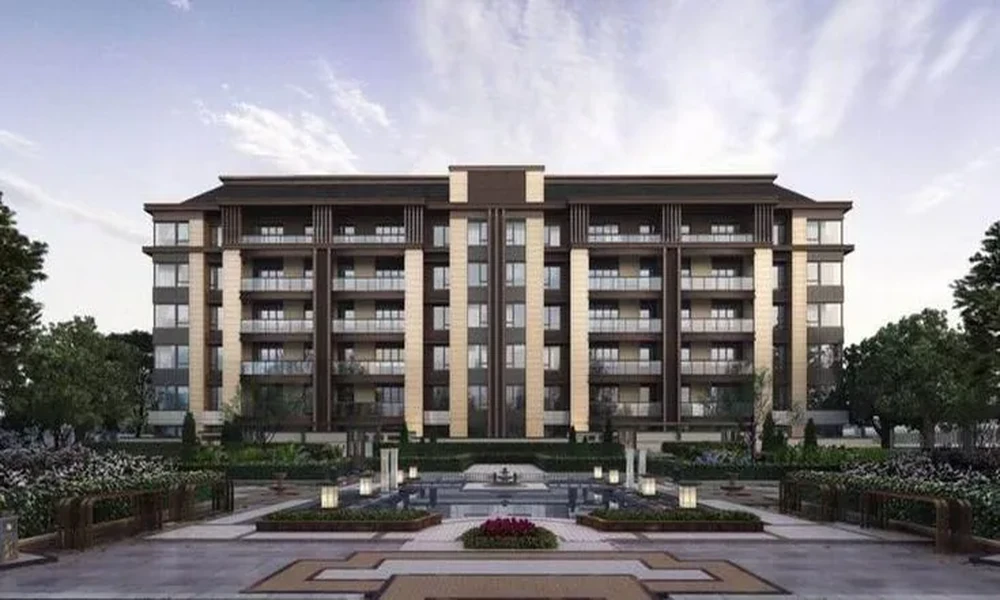

Some buildings feel like a quiet street. Others feel like a small town with its own postcode. Buyers looking at places like Chencharu Central Residences often hit this question early: do I want a handful of neighbours, or a few thousand?
Neither size is better in every case. Each one shapes cost, privacy and daily routine in its own way. This article compares boutique condos and mega developments across six areas, so your pick matches how you actually live.
Size, Scale and Neighbours
A boutique condo usually holds under a hundred units, often in one or two blocks. You see the same faces in the lift. Residents tend to know each other, and the whole place feels personal.
Mega developments run into the thousands. They feel like self-contained estates, with plenty of variety and plenty of people. Anonymity is easier here. Some owners love that freedom, while others miss the closeness of a small block.
Facilities and Daily Amenities
Mega estates win on range. Large pools, full gyms, tennis courts, function rooms and play zones are common, since many owners share the cost. Some even hold their own shops and childcare centres.
Boutique projects offer less. A small pool, a gym corner and a garden may be all you get. Buyers comparing Fablewoode Residences with larger estates often ask whether fewer facilities mean calmer days and lower fees.
Maintenance Fees and Running Costs
Shared costs spread differently. Large development split bills across many home which can keep fees reasonable per unit though big facilities need big budgets. Boutique condos have fewer facilities to maintain so fees may stay modest.
Watch for the opposite too. A tiny project with costly lifts and few owners can face high per unit charges. Ask for recent accounts and the sinking fund balance. Rules and rates change, so confirm current figures with official sources.
Privacy, Noise and Crowding
Boutique living is quieter. Fewer residents means shorter queues for lifts, empty pools on weekday evenings and less foot traffic. Privacy often feels better.
Mega estates can feel busy, especially at weekends. Pools fill up, barbecue pits book out and corridors hum with activity. Larger layouts can still offer calm corners. Visit at peak times and judge for yourself before you decide.
Design, Variety and Unit Choice
Boutique development often feature distinctive architecture and thoughtful detail. Developers can focus on a limited number of units which sometimes means more individual layouts.
Mega project offer wide choice. One estate may include studio family homes and penthouse so buyers can find the right size without leaving the site. Standard design may feel less unique but they also keep things consistent and familiar.
Resale, Rental and Long Term Value
Mega developments often attract steady demand thanks to name recognition and wide appeal. Many unit for sale at once can add competition though. Long-term value also depend on how the property holds up once it is no longer brand new. Upkeep quality, remaining lease runway, and nearby neighborhood upgrades shape how buyers and valuers judge the home ten or fifteen years down the line.
Boutique units can be harder to compare, and a smaller buyer pool may slow a sale. On the flip side, a well located, well designed boutique home can stand out. Location, condition and timing matter more than size alone. Rental demand behave a little differently from resale value especially when tenants weigh convenience against character. Large projects with easy transit link pool gym and co-working corners often pull in steady tenant inquiries and simpler leasing cycle whereas boutique homes tend to appeal to renters seeking quieter surroundings or distinct layout. Checking typical tenancy lengths and vacancy gap in the immediate pocket help set realistic expectation before buying.
Conclusion
Boutique condos give quiet, privacy and a personal feel. Mega developments give facilities, variety and wide demand. The better choice depends on your budget, your lifestyle and how much community you want.
Look closely at how resale liquidity and competition play out over time between the two sizes. Larger development generate steady transaction volume that helps anchor valuations and attract broad buyer pool though you may also list alongside more similar units when selling or renting out. Smaller development offer greater scarcity and fewer direct listings at once yet fewer recent sale can make pricing and bank valuation less predictable.
Also check how monthly running cost and future upkeep scale across the project. Bigger project spread common expenses across many owner which can keep per unit fees reasonable despite larger facility deck while smaller project have fewer owner sharing major repair costs down the line.
Key Differences Between Boutique Condos and Mega Developments Today
