
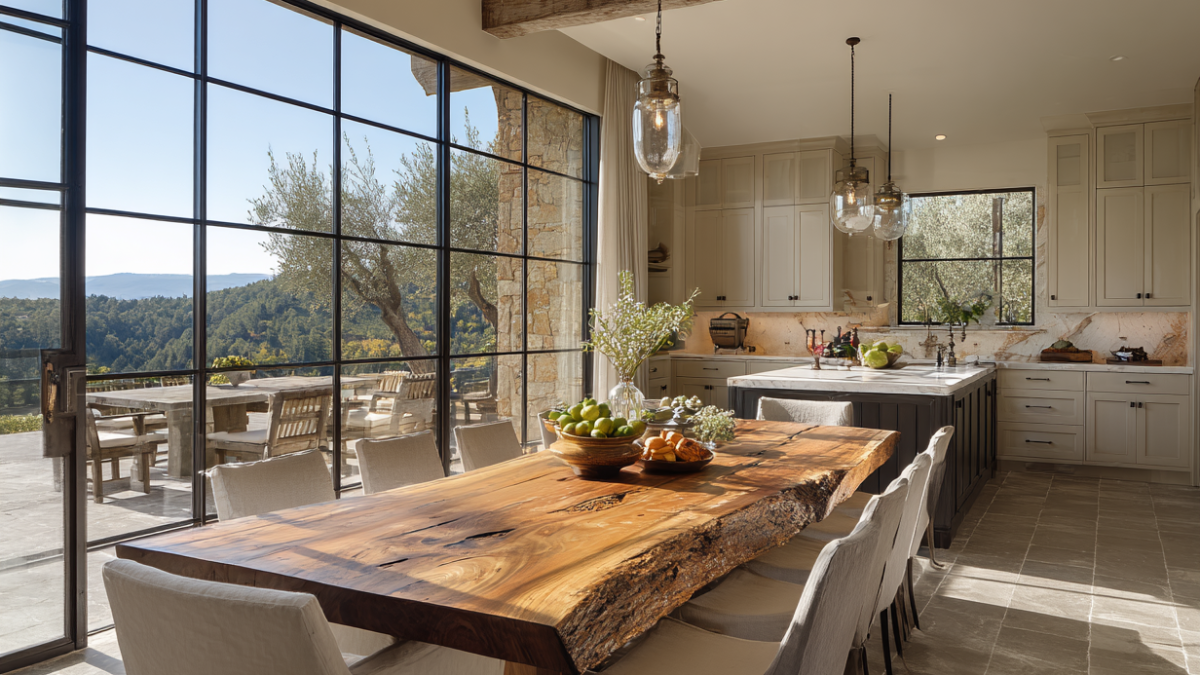

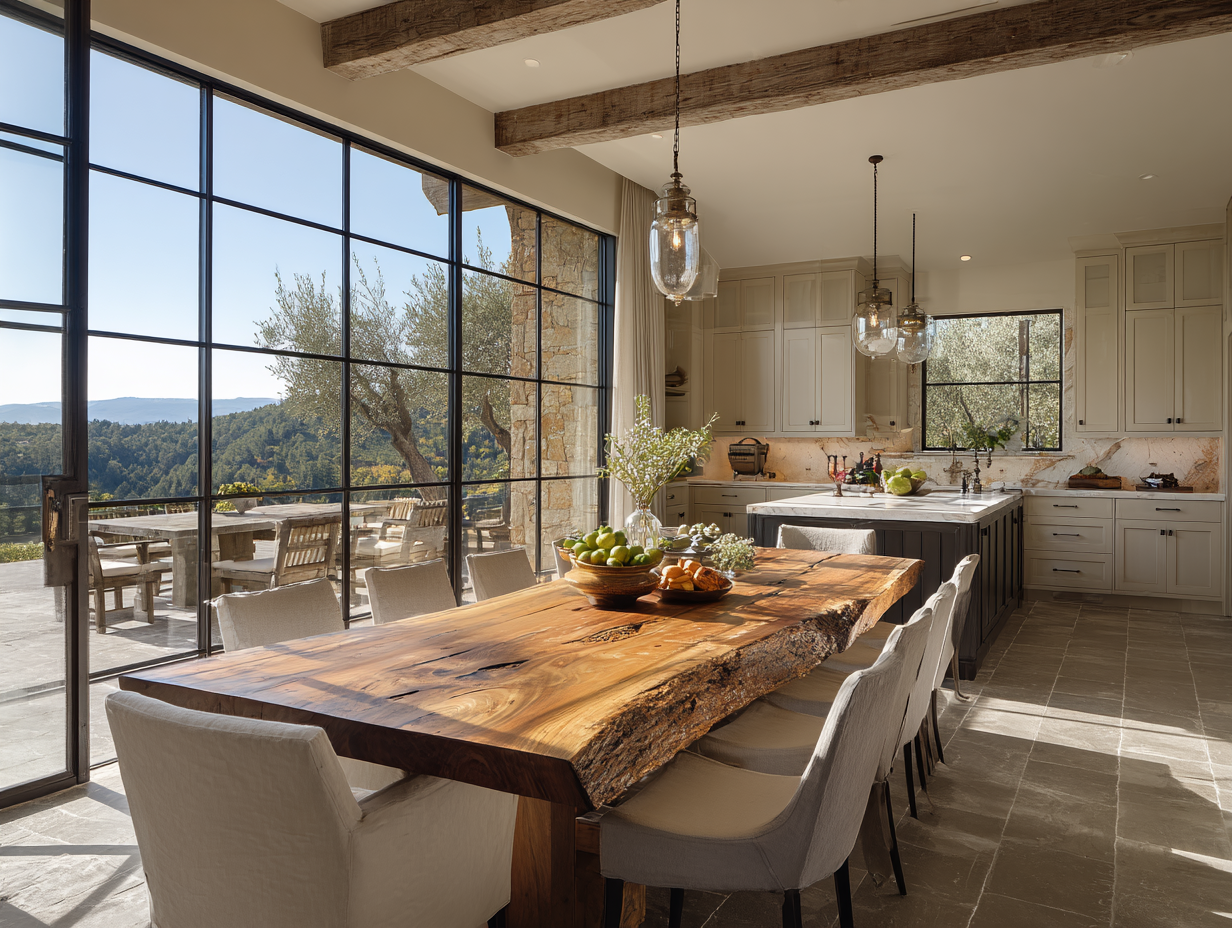
Small kitchens can be challenging. They often feel crowded, dark, and harder to organize than larger spaces. Limited counter space, tight walkways, and low lighting can make cooking feel stressful instead of enjoyable.
But here’s the good news — you don’t need to knock down walls or spend a fortune on renovations to make a small kitchen feel bigger.
One of the simplest and most powerful changes you can make is choosing white kitchen cabinets.
White cabinets have a unique ability to transform how a kitchen looks and feels. They brighten the room, reduce visual clutter, and create the illusion of more space. Many homeowners are surprised at how dramatically their kitchen changes just by switching cabinet color.
In this guide, you’ll learn exactly why white kitchen cabinets make small kitchens appear twice as large — and how to use them in the smartest way possible.
Why Small Kitchens Often Feel Smaller Than They Really Are
Before we talk about how white cabinets help, it’s important to understand why small kitchens feel cramped in the first place.
Most compact kitchens suffer from three major design problems:
1. Poor lighting
Many small kitchens have limited windows. Less natural light makes the space feel enclosed.
2. Strong visual barriers
Dark cabinets, heavy textures, and sharp color contrasts break up the room visually. This makes the eye notice every boundary.
3. Heavy design elements
Dark colors, bulky hardware, and thick materials create a sense of weight that overwhelms the space.
These factors combine to make a kitchen feel tight, even when the actual size hasn’t changed. In other words, the issue is often not the space itself — it’s how the space is visually experienced.
Design is largely about perception. When perception changes, the room feels different. White kitchen cabinets work by improving how your eyes interpret the space.
White Reflects Light — And Light Creates Space
The most important reason white kitchen cabinets make a kitchen feel larger is their ability to reflect light.
Light behaves differently depending on the surface it touches. Dark colors absorb light. White surfaces bounce light back into the room.
When you install white cabinets, every light source becomes more effective. Natural sunlight entering through a window spreads across the cabinet surfaces and reflects outward. Overhead lighting becomes brighter. Even small lamps produce more noticeable brightness.
This reflection creates a more evenly lit environment. Instead of having dark corners and shadowy areas, the room feels balanced and open.
Brightness plays a huge role in spatial perception. When a room is well-lit, it feels more expansive. When a room is dim, it feels confined.
In small kitchens especially, this difference is dramatic. A kitchen that once felt narrow and closed can suddenly feel airy and comfortable simply because more light is moving around the room.
White Cabinets Remove Visual Weight
Color has emotional and visual weight. Some colors feel heavy. Others feel light.
Deep tones like black, navy, espresso brown, and charcoal create strong visual presence. They draw attention and feel solid. While these colors can look stunning in large kitchens, they can overpower smaller ones.
White does the opposite.
White feels soft, light, and gentle. It does not dominate the room. Instead, it allows other elements to breathe.
When cabinets no longer feel visually heavy, the room feels less crowded. The space feels calmer. Your eyes can move freely without being stopped by strong color blocks.
This sense of visual lightness is one of the key reasons small kitchens feel more open with white cabinetry.
A Seamless Look Makes Walls Feel Farther Away
Another powerful effect of white cabinets is how they interact with walls.
In many kitchens, cabinets cover a large portion of the wall surface. When cabinet color contrasts sharply with the wall color, the eye clearly sees where each surface begins and ends. This highlights the exact size of the room.
But when cabinets and walls share similar tones — such as white cabinets paired with light walls — the boundaries soften.
Your eye no longer stops at sharp color changes. Instead, it moves smoothly across surfaces.
This creates the illusion that walls are farther apart. The kitchen feels less boxed in.
Designers often call this a “continuous visual flow.” The fewer interruptions the eye experiences, the larger a space appears.
White Enhances Natural Light — Even When There Isn’t Much
Not every kitchen is blessed with large windows. Many small kitchens receive limited natural light, especially in apartments or interior layouts.
White kitchen cabinets help maximize whatever sunlight is available.
Even a small window can make a big difference when its light reflects across white surfaces. Morning sunlight becomes softer and more diffused. Afternoon light spreads more evenly. Indirect light becomes more noticeable.
White cabinets also reduce shadow intensity. Dark surfaces create stronger shadows, which make spaces feel tighter. White surfaces soften shadows, helping the room feel brighter and more open.
This is why a small kitchen with white cabinets and minimal sunlight can still feel welcoming and spacious.
White Creates a Clean and Uncluttered Appearance
Clutter is one of the fastest ways to make a small kitchen feel smaller.
When too many visual elements compete for attention, the room feels busy and overwhelming. White cabinets help reduce this visual noise.
Their simple, smooth appearance creates a calm background. Even when the kitchen contains many items, the overall look remains organized.
White also makes it easier to maintain cleanliness. Because marks and spills are visible, they tend to be cleaned quickly. Over time, this keeps the kitchen looking fresh and tidy.
A clean environment always feels larger than a cluttered one. This psychological effect is subtle but powerful.
White Cabinets Work With Other Space-Expanding Design Features
Another reason white kitchen cabinets are so effective is their flexibility. They pair beautifully with other elements that make small kitchens feel bigger.
For example, they complement:
- Light-colored countertops
- Reflective backsplashes
- Stainless steel appliances
- Glass cabinet doors
- Open shelving
- Bright lighting systems
Because white is neutral, it never competes with these features. Instead, it enhances them.
This makes it easy to build a complete small-kitchen design that supports openness and brightness from every angle.
Glossy Finishes Multiply the Light Effect
Cabinet finish plays an important role in how light interacts with surfaces.
Glossy white cabinets reflect more light than matte finishes. Their smooth surface acts almost like a soft mirror, spreading brightness across the room.
This reflection increases the sense of space even further.
However, matte white cabinets also work beautifully. They create a softer, more natural feel. The best choice depends on your personal style and lighting conditions.
In very small kitchens, glossy finishes often produce the strongest visual expansion.
White Cabinets Make Ceilings Feel Higher
Height perception matters just as much as width.
When cabinets extend upward toward the ceiling, they influence how tall the room feels. Dark tall cabinets can feel heavy and overwhelming. White tall cabinets feel light and airy.
Because white draws the eye upward without adding visual weight, ceilings appear higher. This vertical expansion makes the entire kitchen feel larger.
Many designers recommend ceiling-height white cabinetry specifically for this reason.
White Fits Every Kitchen Style
One of the biggest advantages of white kitchen cabinets is versatility.
They work in almost every design style, including:
- Modern minimalist kitchens
- Farmhouse kitchens
- Scandinavian kitchens
- Traditional kitchens
- Coastal kitchens
- Transitional kitchens
This flexibility allows homeowners to focus on maximizing space without worrying about design compatibility.
White acts as a timeless foundation. Decorative elements can change over time, but white cabinetry continues to work.
White Makes Kitchens Feel More Comfortable and Inviting
Space is not just physical — it is emotional.
Bright environments feel more open and relaxing. Dark environments feel enclosed. White cabinets support brightness, which improves comfort.
People often describe white kitchens as fresh, calm, and breathable. This emotional response makes the space feel more enjoyable to use.
When a kitchen feels pleasant and stress-free, it naturally feels larger.
Smart Ways to Use White Cabinets in Small Kitchens
Choosing white cabinets is only the first step. Using them thoughtfully creates the best results.
Choose the right shade of white
Warm whites feel cozy. Cool whites feel crisp. Soft whites often feel most natural.
Use simple hardware
Minimal handles keep cabinet surfaces clean and uninterrupted.
Install under-cabinet lighting
This eliminates shadows and keeps counters bright.
Match with light countertops
Light surfaces maintain visual continuity.
Consider glass cabinet doors
They create depth and reduce visual density.
These small decisions make a big difference in how spacious the kitchen feels.
Addressing Common Concerns About White Cabinets
Some homeowners hesitate to choose white cabinets. Let’s address the most common worries.
Are they hard to keep clean?
Modern finishes resist stains and wipe easily. Regular cleaning keeps them looking fresh.
Do they look too plain?
Texture, lighting, and decor add personality. White simply provides a flexible base.
Are they just a trend?
White cabinets have remained popular for generations. They are one of the most timeless design choices available.
The Psychology of Bright Spaces
Human perception plays a powerful role in how we experience rooms.
Bright spaces feel open, safe, and comfortable. Dark spaces feel enclosed and limiting. White cabinets support brightness, which directly affects how large a room feels.
This psychological effect explains why white kitchens often feel bigger than their actual size.
Design is not just about physical dimensions — it is about visual and emotional experience.
Why Designers Consistently Recommend White for Small Kitchens
Professional designers rely on strategies that deliver reliable results. White kitchen cabinets consistently improve small spaces because they:
- Reflect light efficiently
- Reduce visual weight
- Improve visual flow
- Enhance cleanliness
- Support flexible design
Few design choices offer so many benefits with such simplicity.
Final Thoughts
A small kitchen does not have to feel cramped or uncomfortable. With thoughtful design, even the most compact space can feel open, bright, and inviting.
White kitchen cabinets achieve this transformation by reflecting light, reducing visual heaviness, softening boundaries, and creating a clean, seamless look. They enhance natural brightness, make ceilings appear higher, and work perfectly with other space-enhancing features.
The result is a kitchen that feels larger, lighter, and more enjoyable to use — without changing the actual layout.
If your goal is to make a small kitchen feel twice its size, white kitchen cabinets remain one of the smartest and most effective design decisions you can make.
