
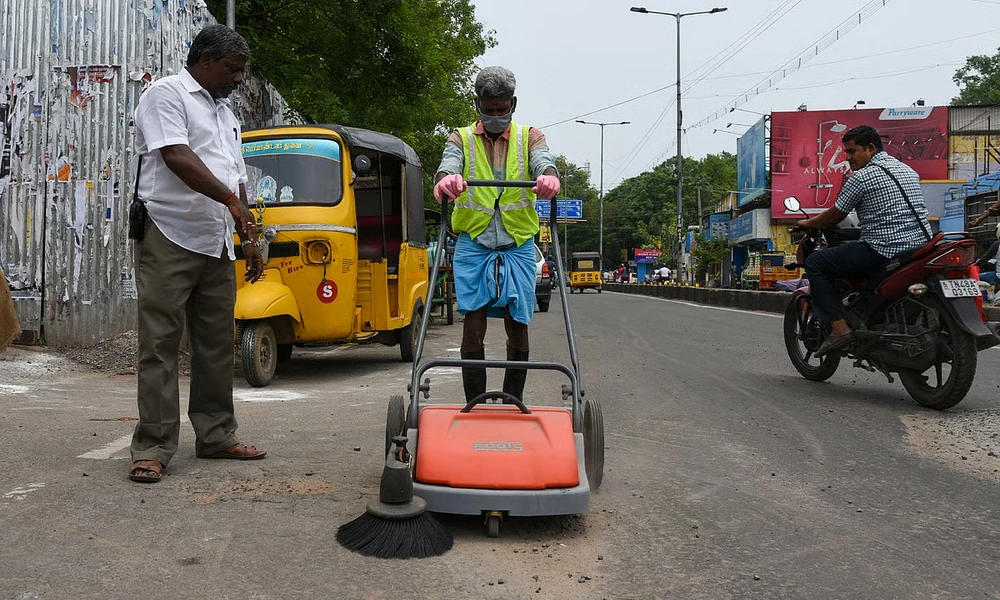

Keeping roads, construction sites, car parks, industrial facilities, and public spaces clean requires more than occasional manual maintenance. Dust, dirt, leaves, gravel, and construction debris can quickly accumulate on paved surfaces, creating safety concerns and affecting the overall appearance of an area. This is where a street sweeper becomes an essential part of modern cleaning and maintenance operations.
Professional sweeping equipment is designed to collect debris efficiently while helping businesses, councils, contractors, and facility managers maintain cleaner and safer environments. With different types of sweeping equipment available, choosing the right solution depends on the location, surface, cleaning requirements, and scale of the project.
What Is a Street Sweeper?
A street sweeper is a specialised vehicle or machine designed to remove dirt, dust, leaves, sand, gravel, litter, and other debris from paved surfaces. Modern sweepers commonly use rotating brushes, suction systems, water sprays, and collection containers to clean surfaces more efficiently than traditional manual methods.
Although these machines are commonly associated with public roads, their applications extend far beyond streets. They can be used on construction sites, car parks, airports, industrial facilities, warehouses, shopping centres, footpaths, and other commercial areas.
The primary purpose of a sweeper is to remove unwanted material quickly and efficiently while helping control dust and minimising disruption to surrounding activities.
Why Professional Sweeping Matters
Regular sweeping is not simply about making an area look cleaner. Accumulated debris can create practical and safety issues if it is allowed to remain on busy surfaces for extended periods.
For example, loose gravel or dirt on a road can reduce traction for vehicles. Construction debris can create hazards for workers and visitors, while excessive dust can affect the surrounding environment. In commercial areas, an untidy car park or entrance can also create a poor first impression for customers and visitors.
Professional sweeping can help address these concerns by:
- Removing loose debris from paved surfaces
- Supporting safer vehicle and pedestrian movement
- Helping control dust and dirt
- Improving the appearance of commercial areas
- Keeping construction sites and surrounding roads cleaner
- Supporting regular property maintenance
- Reducing the need for labour-intensive manual cleaning
For large areas, mechanical sweeping can also provide a more consistent cleaning result than relying entirely on manual methods.
Different Types of Street Sweepers
Not every sweeping project has the same requirements. Different machines are designed for specific environments and applications, so understanding the available options can help organisations select the right equipment.
Truck-Mounted Sweepers
Truck-mounted sweepers are suitable for larger roads, commercial areas, and major infrastructure projects. They generally have larger debris collection capacities and can cover significant distances efficiently.
These machines are particularly useful when a project involves extensive road networks, large paved areas, or regular maintenance across multiple locations.
Compact Sweepers
Compact sweepers are designed for areas where larger vehicles may have difficulty operating. They can be useful for footpaths, car parks, narrow access roads, pedestrian areas, and smaller commercial spaces.
Their smaller size provides greater manoeuvrability, allowing operators to work in locations where access and flexibility are more important than maximum collection capacity.
Regenerative Air Sweepers
Regenerative air sweepers use controlled airflow to lift debris from paved surfaces and collect it inside the machine. This technology can be useful for removing fine particles while helping manage dust during the cleaning process.
These sweepers are often considered for applications where effective removal of smaller particles is an important part of the maintenance programme.
Vacuum Sweepers
Vacuum sweepers use suction to collect debris from surfaces. They can be particularly useful for specialised cleaning applications and areas where material needs to be removed from confined or difficult-to-reach locations.
The right vacuum system depends on the type of material being collected and the requirements of the project.
Where Are Street Sweepers Used?
The versatility of modern sweeping equipment makes it useful across many industries and environments.
Construction Sites
Construction projects can generate significant amounts of dust, dirt, gravel, and other debris. Regular sweeping helps keep access roads, entrances, and surrounding paved areas cleaner.
This is particularly important when construction vehicles frequently enter and leave a site, as they can carry mud and loose material onto nearby roads. Regular sweeping can help maintain cleaner access points and reduce the accumulation of debris.
Roads and Public Streets
Local authorities and road maintenance contractors use sweeping equipment to remove leaves, dirt, sand, litter, and other materials from roads and public spaces. Regular maintenance helps keep streets cleaner and can contribute to safer road conditions.
Car Parks
Commercial car parks can accumulate leaves, litter, dirt, gravel, and other debris over time. Mechanical sweeping provides an efficient way to maintain large parking areas without depending entirely on manual cleaning.
A clean car park can also create a better experience for customers, employees, and visitors.
Airports
Airports require carefully maintained environments where loose debris can create operational concerns. Specialised sweeping equipment can be used to help maintain roads, service areas, parking zones, and other paved surfaces around airport facilities.
Regular cleaning is an important part of maintaining these high-traffic environments.
Industrial Facilities
Factories, warehouses, distribution centres, and industrial properties often contain large outdoor paved areas. Regular sweeping can help manage dust and debris while improving the general condition and appearance of the site.
Key Benefits of Professional Sweeping Equipment
One of the biggest advantages of mechanical sweeping is efficiency. A suitable machine can cover large paved areas in considerably less time than traditional manual cleaning methods.
Improved Efficiency
Mechanical equipment allows operators to clean extensive paved surfaces quickly and systematically. This can be particularly valuable for large commercial or infrastructure projects where time and productivity are important.
Better Dust Management
Many modern sweeping machines incorporate water sprays or specialised collection systems designed to help control dust during operation. This can contribute to a cleaner working environment and reduce the spread of fine particles.
Reduced Manual Labour
Using mechanical equipment reduces the amount of physical effort required from workers. Instead of manually collecting large quantities of debris, trained operators can use specialised machinery to complete the work more efficiently.
Consistent Cleaning Results
Professional sweeping equipment can provide a more systematic cleaning process. Operators can follow planned routes and schedules, helping maintain consistent cleaning standards across large areas.
Improved Site Appearance
Clean roads, car parks, commercial entrances, and industrial areas create a more professional appearance. For businesses that regularly receive customers, suppliers, contractors, or visitors, maintaining clean surroundings can make a positive difference.
How to Choose the Right Sweeper
Selecting the right sweeping equipment requires consideration of several factors. The first is the size and type of area that needs to be cleaned.
A large road maintenance project may require a truck-mounted sweeper, while a narrow footpath or compact commercial area could benefit from a smaller machine. The type of debris also matters. Fine dust, leaves, gravel, mud, and construction waste may require different equipment or cleaning methods.
Before selecting a sweeping solution, organisations should consider:
- The size of the cleaning area
- The type of surface
- The type and quantity of debris
- Required cleaning frequency
- Access and manoeuvrability
- Dust-control requirements
- Project duration
- Available budget
- Operator and equipment requirements
For specialised or large-scale projects, consulting an experienced provider of street sweeper solutions can make it easier to determine which equipment and service are most appropriate.
Sweeper Hire vs. Buying Equipment
Businesses that require sweeping services regularly may consider purchasing their own equipment. However, buying a sweeper is not always the most practical option.
Purchasing specialised equipment involves the initial cost of the machine as well as ongoing expenses such as servicing, maintenance, storage, insurance, fuel, and operator requirements.
For short-term projects or businesses that only need sweeping occasionally, hiring professional equipment or a complete sweeping service can provide greater flexibility.
Sweeper hire allows organisations to access specialised machinery without taking on the long-term responsibilities associated with ownership. It can also be a practical solution when a project requires a particular type of machine that a business does not normally have available.
The Importance of Regular Sweeping
Sweeping should ideally be treated as part of an ongoing maintenance programme rather than a one-time cleaning activity. The required frequency depends on the environment, traffic levels, weather conditions, and the amount of debris produced.
A busy construction site may require frequent sweeping because vehicles constantly move soil and debris onto surrounding surfaces. A commercial car park may require weekly or scheduled cleaning depending on usage and local conditions.
Regular maintenance can prevent debris from accumulating to the point where it becomes difficult or more expensive to remove. It can also help properties maintain a consistently clean and professional appearance.
Environmental Considerations
Modern sweeping operations increasingly focus on responsible resource use, dust control, and efficient waste management. Water-saving systems, efficient collection methods, and well-maintained equipment can help reduce unnecessary resource consumption during cleaning operations.
Proper disposal of collected material is also important. Depending on the type of debris, waste may need to be transported and handled according to applicable local requirements.
Working with an experienced sweeping provider can help businesses identify an appropriate cleaning approach based on the location, surface, type of debris, and project requirements.
Final Thoughts
A modern street sweeper is much more than a vehicle used to clean public roads. It is an important piece of equipment for maintaining construction sites, commercial properties, industrial facilities, airports, car parks, footpaths, and other paved environments.
The right sweeping solution can improve efficiency, support safer surfaces, reduce dust and debris, and maintain a professional appearance. Whether a project requires a large truck-mounted sweeper, a compact machine, or a specialised cleaning system, selecting equipment according to the site’s specific requirements is essential.
For organisations that do not want the expense and responsibility of owning specialised machinery, professional sweeper hire can provide a practical alternative. With suitable equipment and experienced operators, regular sweeping can become a reliable part of effective road, property, and infrastructure maintenance.
