
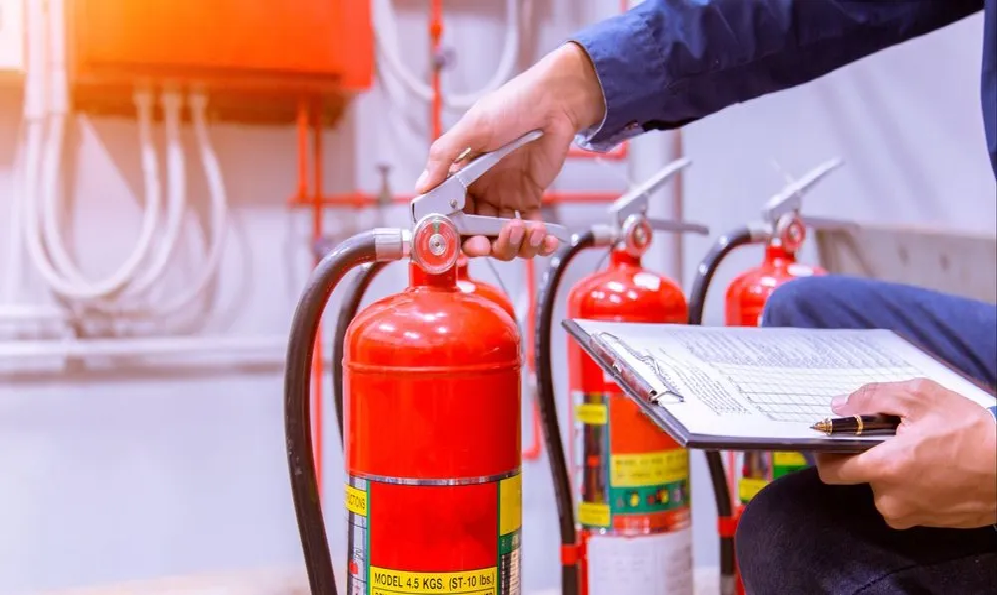

Fire hazards can develop unexpectedly in workplaces, construction sites, commercial buildings, and other properties. Identifying these risks early is an important part of preventing fires and protecting people and property. Professional fire watch guards are trained to remain alert, conduct regular inspections, and recognize conditions that could potentially lead to a fire.
Beyond routine patrols, Fire Watch Guards help identify less obvious hazards by paying close attention to changing conditions throughout the property. They may notice blocked ventilation, improperly discarded smoking materials, temporary equipment placement, or unsafe practices that could increase fire risk. Their consistent presence provides an added layer of oversight, allowing potential problems to be reported promptly and helping site personnel address hazards before they develop into more serious fire emergencies.
Conducting Regular Site Inspections
One of the primary responsibilities of fire watch guards is inspecting assigned areas at regular intervals. During these inspections, they observe the condition of the property and look for anything that could increase the likelihood of a fire.
Guards may check storage areas, work zones, electrical equipment, emergency exits, utility rooms, and other locations where hazards could develop. Regular inspections allow potential problems to be identified before they become serious.
Checking for Combustible Materials
Combustible materials can contribute to the rapid development and spread of a fire. Fire watch guards pay attention to how materials such as cardboard, paper, wood, packaging, and other flammable items are stored.
They may look for materials placed too close to heat-producing equipment or ignition sources. Accumulated waste and improperly stored supplies can also create unnecessary risks and may be reported for corrective action.
Monitoring Electrical Equipment
Electrical problems are another potential source of fire. Damaged cables, exposed wiring, overloaded outlets, unusual heat, or malfunctioning equipment can create dangerous conditions.
Fire watch guards can observe electrical areas during their patrols and report visible concerns to the appropriate personnel. They should not attempt repairs unless specifically trained and authorized to do so.
Observing Hot Work Activities
Activities such as welding, cutting, grinding, and soldering can produce sparks and high temperatures. These tasks are particularly important to monitor because sparks can travel to nearby combustible materials.
During hot work, fire watch guards can remain attentive to the work area and surrounding spaces. They watch for smoke, glowing materials, unusual heat, or other indications that ignition may have occurred.
Inspecting Emergency Exits and Access Routes
Clear emergency exits and access routes are essential during a fire. Fire watch guards can check whether exits, hallways, stairways, and fire department access points are blocked by equipment, supplies, debris, or other objects.
Identifying obstructions early allows responsible staff to address them before an emergency occurs.
Watching for Smoke, Heat, and Unusual Odors
Early warning signs can provide important clues about developing hazards. Fire watch guards remain alert for smoke, burning smells, unusual heat, sparks, or sounds associated with malfunctioning equipment.
Recognizing these warning signs requires concentration and familiarity with the site. When something appears unusual, guards can report it according to established procedures.
Maintaining Accurate Records
Fire watch guards also document their observations during patrols. Records may include patrol times, hazards discovered, actions taken, and unusual conditions.
Detailed documentation helps businesses track recurring concerns and determine whether additional corrective measures are necessary.
