
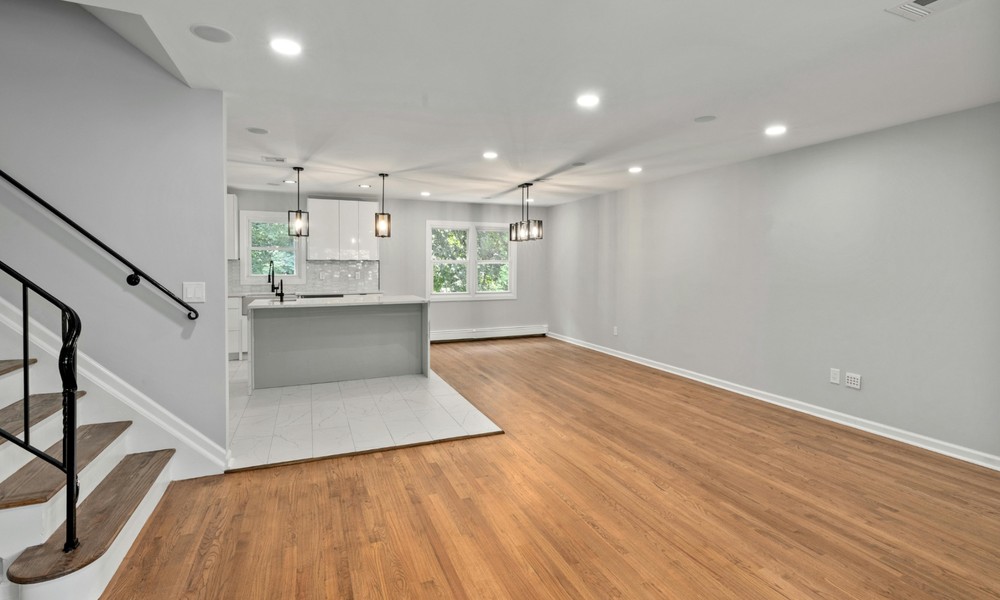

When a buyer walks into a home for the first time, they’re not consciously analysing finishes or furniture choices. They’re reacting. Almost immediately, they form a feeling about the space. Does it feel comfortable? Does it feel welcoming? Or does something feel slightly off, even if they can’t explain why?
That initial response carries more weight than many sellers expect. Home staging isn’t about decorating to impress. It’s about removing friction, reducing uncertainty, and helping buyers feel at ease in the space from the moment they arrive.
Buyers Feel a Home Before They Think About It
Most buyers don’t walk into a viewing with a checklist in their heads. Instead, they’re quietly asking themselves questions, often without even noticing they’re doing it.
Can I imagine myself here?
Does this feel easy to live in?
Do I want to stay a little longer?
When a home feels calm and intuitive, buyers relax. They slow down. They look more closely. But when a space feels cluttered, dark, or awkward, they disengage. Sometimes they leave knowing it’s not right, without ever being able to pinpoint exactly why.
This is why so much emphasis is placed on preparation before a home goes to market. The groundwork you do before listing shapes that first emotional response. Many practical selling resources, including those on GreatPropertyIdeas, highlight how much these early impressions matter.
Condition Is Noticed Before Style
One of the most common staging mistakes is jumping straight to décor without addressing the basics. Buyers notice condition long before they notice styling.
Small things stand out more than sellers expect. Scuffed walls. Loose handles. Fixtures that look tired. These details quietly raise questions about how the home has been cared for overall.
Before thinking about cushions or artwork, it’s worth stepping back and looking at the home through a buyer’s eyes. A space that feels well-maintained builds trust. And when buyers trust the condition of a home, they’re far more comfortable imagining themselves owning it.
Light and Flow Shape the Experience
Light plays a huge role in how a home feels. Bright, naturally lit spaces tend to feel more open and inviting, while dim or uneven lighting can make even a good layout feel smaller or closed in.
Often, the fixes are simple. Opening curtains. Removing heavy window coverings. Adding a lamp where a corner feels flat. Updating bulbs so the light is consistent from room to room. None of these requires major investment, but they can completely change how a space is perceived.
Flow matters just as much. Buyers notice how easily they can move through a home and whether each area makes sense. Furniture should help define spaces, not interrupt them. When circulation feels natural, buyers stay focused on the experience instead of mentally rearranging the room.
Neutral Makes Space for Imagination
Neutral staging isn’t about stripping away all personality. It’s about creating enough visual breathing room for buyers to project their own lives into the space.
Overly personal décor or bold design choices can unintentionally make buyers feel like they’re stepping into someone else’s story. Softer colours, simple styling, and uncluttered surfaces tend to feel more accessible to a wider range of people.
This idea is explored in more detail in guides that look closely at what buyers actually notice during a viewing, and why certain details carry more weight than others.
Cleanliness Quietly Builds Confidence
Cleanliness is one of the most underestimated aspects of staging. A thoroughly clean home simply feels better to walk through. It signals care, attention, and pride of ownership.
Kitchens and bathrooms, in particular, receive close scrutiny. A deep clean before listing is one of the simplest ways to improve how buyers feel in the space, and how confident they are in the property as a whole.
In the End
Successful staging isn’t about perfection. It’s about clarity. When a home feels easy to understand, comfortable to move through, and clearly looked after, buyers are more likely to connect with it emotionally.
And when that connection forms, a stronger interest often follows naturally.
About this Author
This article draws on insights and guidance from Lisa founder of Great Property Ideas. Lisa has worked extensively in the property and home preparation space, helping sellers understand how buyers think and what truly impacts a successful sale. Her work focuses on practical, real-world advice around home repairs, preparation, and presentation, with the goal of helping homeowners sell with clarity, confidence, and fewer surprises.
