
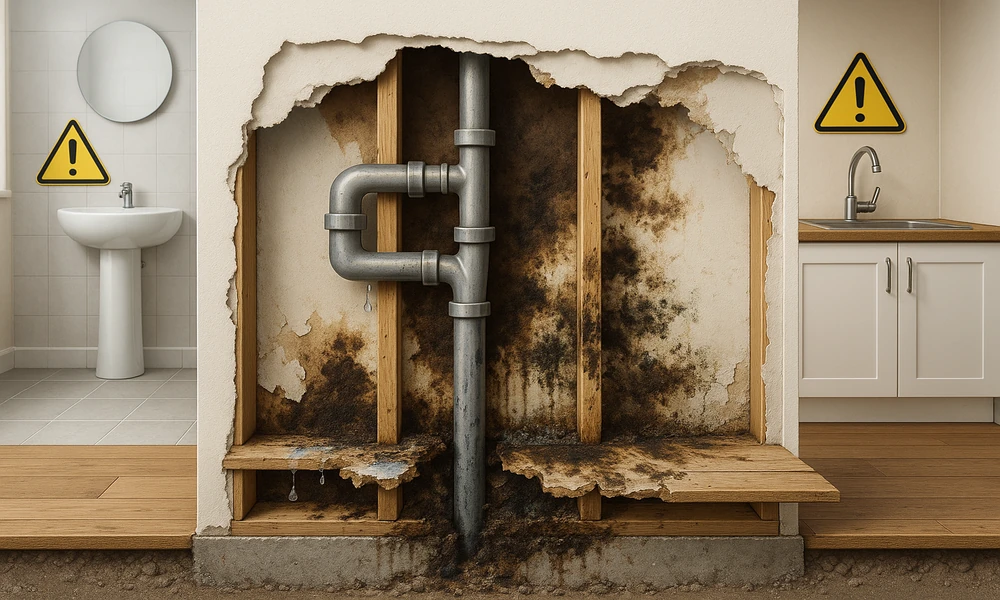

Buying a property is exciting, and it is easy to focus on the visible things: the kitchen, the layout, the garden, the street. Inspections usually cover structure, pests and electrical safety. But one category of problem can slip through even a careful buyer’s checklist: water leaks that you cannot see. Adding a leak check to your due diligence can save you from inheriting someone else’s hidden repair bill.
Why Hidden Leaks Matter in a Property Purchase
When you buy a home, you take on everything that comes with it, including problems the seller may not know about. A slow leak beneath a slab or a damp sub-floor can sit undetected for years. By the time it shows itself, it may have damaged timber, softened the ground or contributed to cracking.
The cost is not only financial. Unexpected repairs soon after settlement are stressful, particularly when you have just stretched your budget to buy the house.
What a Standard Inspection Might Miss
A general building inspection looks at what is accessible and visible. Inspectors can note stains, damp patches and signs of past moisture, but they typically do not trace buried pipes or test the plumbing under pressure. A pipe leaking quietly in the soil or in a cramped crawl space may simply not leave enough surface evidence for a visual check to catch.
That gap is where a specialised leak assessment adds value. It targets exactly the areas an ordinary inspection cannot easily reach.
Red Flags to Look For During an Open Home
You do not need special equipment to spot early warning signs. During your visit, pay attention to:
- Musty odours, especially in lower rooms or near the floor
- Water stains on ceilings, walls or skirting boards
- Warped, bubbling or uneven flooring
- Unusually lush or soggy patches in the garden
- Fresh paint on isolated areas, which can cover past damage
- Cracks in walls, paths or driveways
- Poor water pressure when you run taps
None of these proves a leak exists, but each is a reason to ask questions and request further checks.
Testing the Outdoor Plumbing
Buried supply lines carry water from the street connection to the house, and they are among the least inspected parts of a property. If the home is older, or if the yard shows signs of unexplained moisture, arranging underground water leak detection services before you commit can confirm whether those lines are intact.
The technicians use acoustic equipment and tracing methods to locate leaks without digging up the property. You get a clear answer, and the seller’s property stays undisturbed during negotiations.
Checking the Space Beneath the House
For homes with sub-floors, stumps or crawl spaces, the area beneath the floor deserves its own look. Leaks there lead to mould, rot and structural weakening, and they are easy to miss from above. A targeted under house water leak detection assessment can uncover moisture problems and failing pipes in that concealed zone and tell you whether repairs are needed.
If the report is clean, you gain peace of mind. If it is not, you gain knowledge you can use. Either way, you buy the property knowing the condition of its hidden plumbing.
Using the Results in Negotiations
A documented finding changes the conversation. If a leak is discovered, you have several options:
- Ask the seller to repair the issue before settlement.
- Negotiate a lower price to account for repair costs.
- Request a credit or allowance at settlement.
- Walk away if the problem is larger than you are willing to take on.
Without evidence, you are guessing. With a professional report, you are negotiating from facts.
When It Makes the Most Sense to Test
Not every purchase needs the same level of scrutiny. Consider a leak assessment if the property is older, has had previous plumbing repairs, shows any of the warning signs above, or has an unusually high recorded water usage history. Homes on reactive soil or with large trees close to the house can also be higher risk, since moving ground and invasive roots stress pipework.
Timing and Practical Tips
Build leak testing into your inspection window so that the results arrive before your conditions expire. Ask the provider for a written report that includes locations and photographs where possible. Share it with your conveyancer or agent so it can inform the contract discussion. And keep a copy, because it becomes a useful baseline for future maintenance once you own the property.
Final Thoughts
A home purchase is likely the largest financial decision you will make. Spending a little extra to verify that the plumbing is watertight, both in the yard and beneath the floor, is a sensible way to protect that investment. A hidden leak that you find before settlement is a negotiating point. One you find afterwards is your problem.
Buying a Home? Add a Leak Check to Your Pre-Purchase List
