
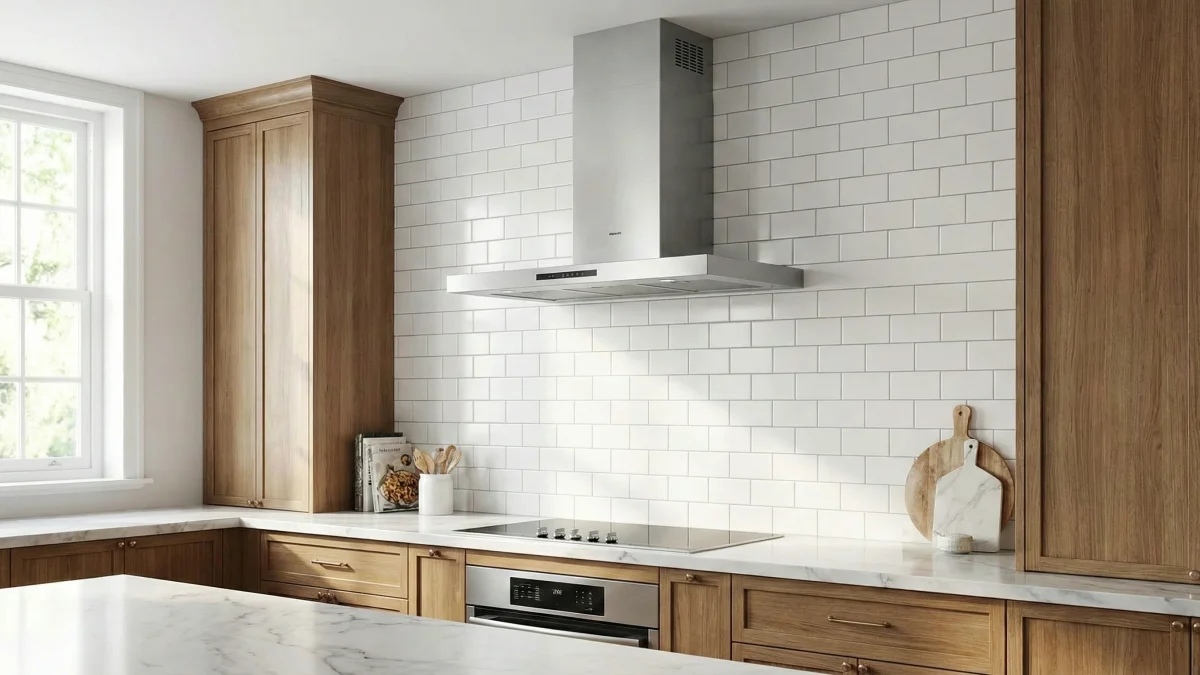

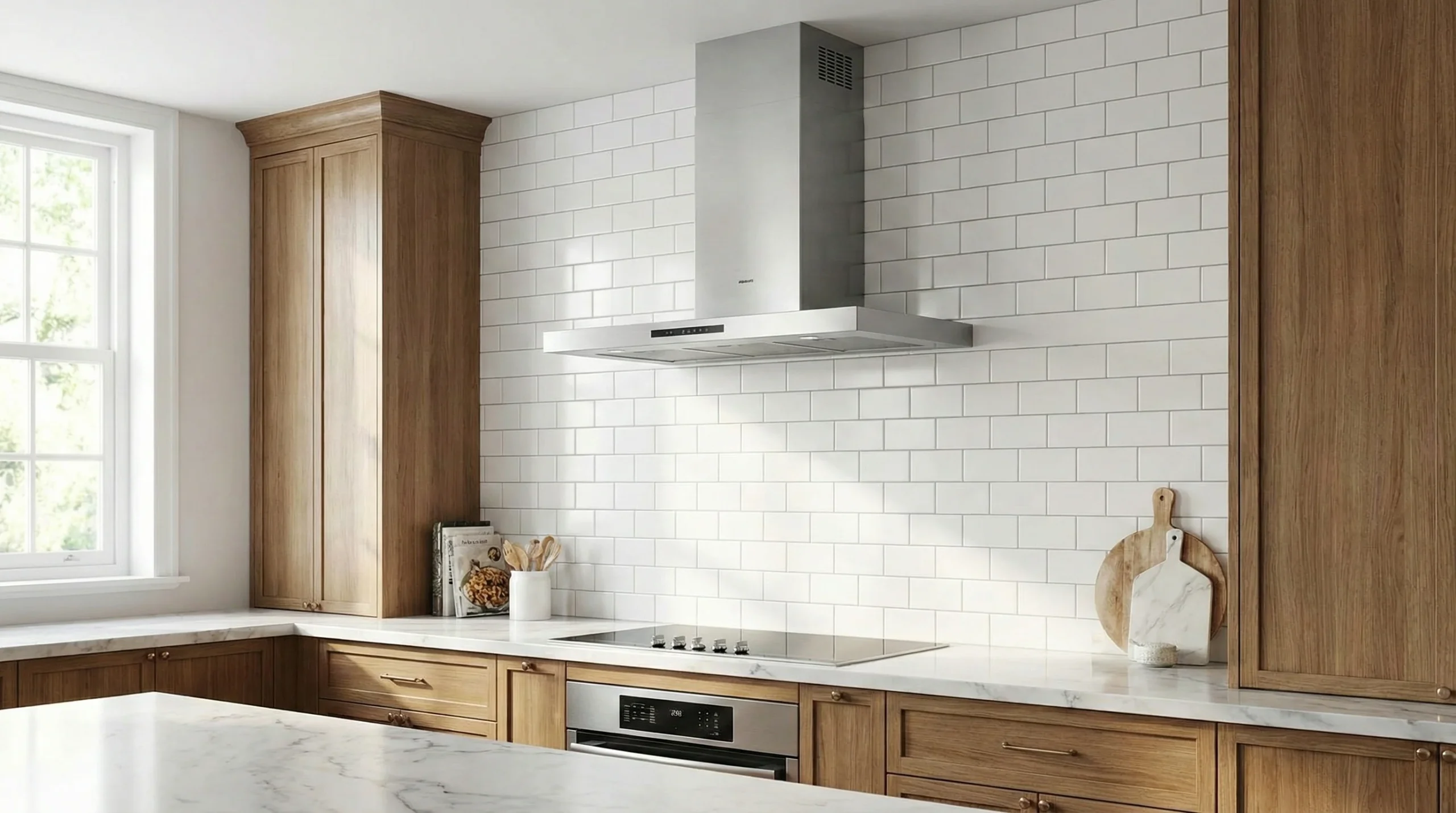
When designing a dream kitchen, homeowners often spend months obsessing over marble countertops, custom cabinetry, and artisanal tile. Yet one of the most critical elements of any functional cooking space is the ventilation system. If you want high-performance air purification without interrupting the visual flow of custom millwork, a range hood insert is the ultimate solution.
What is a Range Hood Insert?
Unlike bulky, exposed wall-mounted canopies, a range hood insert (often called a built-in or power pack) is a self-contained ventilation module designed to be hidden completely inside a custom enclosure or upper cabinetry.
By tucking the blower and filtration mechanics out of sight, an insert lets your cabinetry, decorative wood canopy, or plaster surround take center stage. You get the aesthetic freedom of bespoke architecture combined with the muscle of modern kitchen ventilation.
Key Benefits of Built-In Range Hood Inserts
-
Seamless Aesthetic Freedom
A range hood insert adapts to your style, not the other way around. Whether your aesthetic leans toward a rustic French country hearth, a minimalist Scandinavian flat-panel look, or a fluted plaster statement piece, an insert installs discreetly underneath.
-
High-Performance Air Quality
Cooking produces airborne grease, steam, heat, and persistent odors that can settle on furniture and degrade indoor air quality. High-quality inserts pull smoke and aerosolized oils directly from the cooktop through multi-layer baffle or mesh filters, keeping adjacent cabinets clean and your air fresh.
-
Integrated Lighting and Quiet Operation
Modern inserts do more than move air—they feature energy-efficient LED task lighting that illuminates your cooking surface evenly. Furthermore, upgraded blower systems ensure
powerful suction at whisper-quiet sound levels, so you can converse with guests while searing dinner.
If you are currently planning a kitchen renovation and want to explore modern, whisper-quiet options that fit standard cabinet depths, explore the selection of built-in range hoods designed for easy integration.
Sizing and Selecting the Right Insert
To get the most out of your setup, keep these buying guidelines in mind:
- Match Your Cooktop Width: Ensure your range hood insert matches or slightly exceeds the width of your stove (standard options include 30-inch and 36-inch widths) to capture all rising vapor plumes.
- Check the CFM Rating: Calculate the cubic feet per minute (CFM) based on your cooktop’s output. High-BTU gas burners generally require 600+ CFM, whereas standard electric or induction cooktops operate efficiently with 300 to 500 CFM.
- Ducting Type: Determine whether you can vent to the outdoors or require a ductless recirculating setup with carbon odor filters.
Investing in a quality range hood insert delivers the best of both worlds: uncompromised aesthetic harmony on the outside, and clean, powerful ventilation on the inside.
The Power of Hidden Ventilation: Why a Range Hood Insert Belongs in Your Dream Kitchen
