
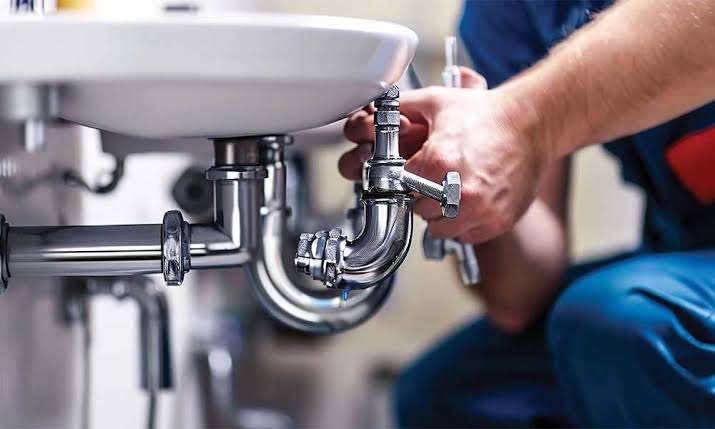

Brisbane’s older housing stock – including Queenslander-style homes, pre-war cottages, and post-war suburban houses – presents plumbing challenges that newer builds typically don’t face. Ageing pipe materials, historical construction methods, and decades of ground movement all contribute to issues that require specific diagnostic experience to identify correctly.
Galvanised Steel Pipe Corrosion
Many Brisbane homes built before the 1970s still have original galvanised steel water supply pipes. These pipes corrode from the inside over time, gradually restricting water flow and eventually leading to leaks or bursts. Because the corrosion happens internally, a galvanised pipe can look sound from the outside while significantly narrowing on the inside, which is why declining water pressure over several years is often the first noticeable sign rather than a sudden failure.
Clay and Terracotta Sewer Pipes
Older Brisbane properties frequently have clay or terracotta sewer pipes rather than modern PVC. Brisbane’s reactive clay soil expands and contracts with seasonal moisture changes, placing stress on these rigid, jointed pipes over decades and often causing cracks or misalignment at the joints. A CCTV drain inspection is typically the most reliable way to confirm whether ageing clay pipework is the cause of a recurring blockage or slow drain.
Tree Root Intrusion
Established Brisbane suburbs with mature trees – figs, jacarandas, poincianas – often have significant root systems that actively seek moisture at pipe joints underground. Root intrusion into sewer and stormwater lines doesn’t always cause an immediate blockage; it typically develops gradually over months, with slow drainage and gurgling sounds as early warning signs before a complete blockage occurs.
Queenslander-Style Subfloor Plumbing
Raised timber Queenslander homes have pipework running through an accessible subfloor space rather than underground or in-wall. While this makes inspection and repair more straightforward in some respects, exposed plastic fittings in a subfloor space are vulnerable to UV degradation where sunlight reaches them, and the raised construction can mean different water pressure characteristics compared to a slab-on-ground home in the same street.
Combined Stormwater and Sewer Systems
Some pre-1970s Brisbane properties still have stormwater and sewer drainage combined into a single system, a configuration no longer permitted under current Queensland plumbing regulations. During Brisbane’s intense subtropical storms, this combined setup can allow backflow between the two systems, creating a genuine health hazard that requires professional assessment and, in most cases, separation into two independent systems.
Brisbane Providers Experienced With Older Homes
CCTV drain inspection and stormwater drainage assessment are both offered by TBP Plumbing Lutwyche, useful for diagnosing the kind of older-home pipe issues described above. The company is the local Northside arm of The Brisbane Plumbers (QBCC #15066452), an award-winning family business with 458 Google reviews at 5.0 stars, and lists minor repairs typically ranging from $220 to $350 (tbpplumbinglutwyche.com.au). Bell Plumbing has operated in Brisbane since 1972 – 53 years of experience with the city’s older housing stock – offering flat-rate pricing with no penalty or weekend surcharges; pricing beyond the flat-rate structure is not published on the website (bellplumbing.com.au). BTTD has built a specific reputation for diagnosing difficult, long-unresolved plumbing issues in established properties, including one documented case involving a persistent odour problem that had gone unresolved through multiple previous plumbers; pricing is not published on the website (bttd.au).
Frequently Asked Questions
How do I know if my Brisbane home has galvanised pipes?
Homes built before the 1970s are the most likely to have original galvanised steel water pipes. A plumber can typically identify galvanised pipe by inspecting exposed sections, such as under sinks or in a subfloor area, and checking for the characteristic grey, threaded fittings. Declining water pressure over time, particularly if it’s gradual rather than sudden, is a common symptom worth raising with a plumber experienced in older Brisbane homes.
Do I need to replace all my old pipes at once?
Not necessarily. A plumber can assess the specific condition and remaining lifespan of existing pipework and often recommend a staged approach, addressing the most deteriorated sections first rather than requiring a full property re-pipe immediately. This depends heavily on the specific pipe material, age, and visible condition.
Why do older Brisbane homes seem to get more blocked drains?
Ageing clay or terracotta sewer pipes, combined with decades of tree root growth and Brisbane’s reactive clay soil placing ongoing stress on pipe joints, make blocked drains more common in established properties than in newer homes with modern PVC piping. A CCTV inspection helps identify the specific cause, which affects whether jetting, pipe patching, relining, or a section replacement is the right fix.
