
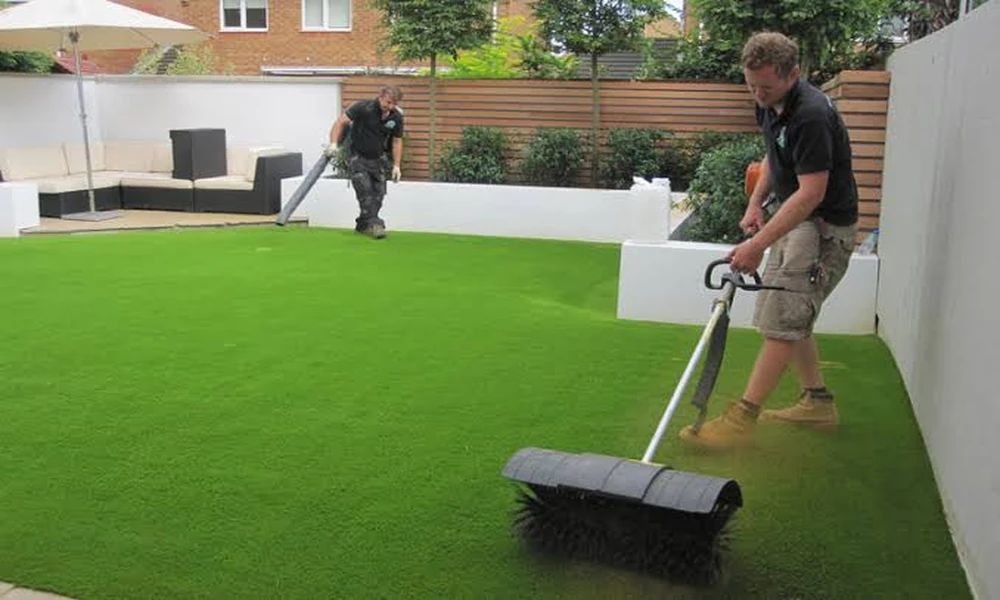

The language around artificial lawns can be a little confusing for homeowners exploring their options for the first time. Fake grass, synthetic turf, artificial grass – these terms are often used interchangeably, but understanding what makes a quality product and how different types of artificial surfaces serve different needs helps you make a more informed decision from the outset.
Whether you are planning a complete backyard renovation, looking for a solution for a muddy dog run, or exploring low-maintenance alternatives for a courtyard or terrace, the right artificial surface depends on how the space will be used, who will be using it, and what standard of appearance you want to maintain.
Understanding Fake Grass and Artificial Grass Products
The term fake grass artificial grass covers a wide range of products at very different quality levels. At the lower end of the market, you will find thin, plastic-looking surfaces with limited pile depth and poor drainage – products that look obviously artificial and wear quickly under regular foot traffic. At the upper end, you will find premium synthetic grasses engineered with multi-tone blade colouring, varied blade heights within the same pile, and thatch layers that recreate the look of natural lawn with impressive realism.
The difference in quality between these product tiers is significant, and it is worth investing time in understanding what you are looking at before making a purchase. Request samples, ask about the face weight and pile height of the product, and check the drainage rate specification – these details determine how well the surface performs and how long it remains attractive.
Pet Turf: A Specific Need Requiring a Specific Solution
Households with dogs have particular requirements from any artificial lawn surface. Natural grass can be quickly damaged by repeated use in the same areas, and maintaining a lawn that also serves as a dog run is one of the most common frustrations pet owners encounter with conventional landscaping.
Pet turf is engineered specifically for households with dogs and other pets. The key differences from standard residential turf include a more open drainage structure in the backing that allows liquid to pass through immediately, antimicrobial properties within the infill system that help suppress odour-causing bacteria, and a blade structure that recovers quickly from repeated traffic rather than matting under the impact of active dogs.
Cleaning is straightforward – solid waste is removed as with a natural lawn, and liquid waste drains efficiently through the system. Periodic rinsing with water freshens the surface, and occasional applications of an enzyme-based cleaner can address any residual odour concerns during warmer months. For families with dogs, pet-specific artificial turf resolves the muddy paws problem entirely while giving dogs a clean and comfortable outdoor space.
Backyard Turf: Transforming Outdoor Living Spaces
A backyard turf installation is one of the most impactful changes a homeowner can make to their outdoor living space. Beyond the obvious practical benefits – no mowing, no watering, no brown patches – a well-designed artificial lawn creates a consistent green backdrop that makes the entire outdoor area feel more polished and inviting.
In smaller Surrey yards where every square metre counts, artificial turf maximises the usable space by eliminating the awkward dead zones and shade areas where natural grass struggles to establish. Children have a clean, even surface for play regardless of the season or recent weather. Adults gain an outdoor space that requires a fraction of the maintenance of a natural garden while remaining visually attractive throughout the year.
Artificial turf also integrates well with hard landscaping elements – paving, decking, raised planters, and garden structures – and can be cut and fitted around existing features with precision. The result is a cohesive outdoor space that looks intentional and well-considered rather than a compromise solution.
Installation Considerations for Backyard Projects
A successful backyard turf project starts with accurate measurement and a clear plan. The layout should account for the direction of the pile – the direction the grass blades lean – which affects how the surface looks from different viewpoints. Most installers will orient the pile facing toward the main viewing point, typically a rear door or seating area, so the lawn presents its most natural appearance.
Edging is another important detail. A clean, defined edge where the turf meets paving, borders, or fencing gives the finished project a professional appearance and prevents the turf from lifting or shifting over time. Aluminium or composite edging profiles, secured correctly and set at the right height, achieve this reliably.
Choosing the Right Product for Your Situation
With so many artificial grass products available at a range of price points, matching the right product to your specific situation is worth the effort of a proper consultation. A family with young children and active dogs has different requirements from a homeowner seeking a low-maintenance front garden or a business managing a commercial landscape.
The best artificial grass companies will help you navigate these choices, presenting options that match your actual use case rather than simply recommending the most expensive product. A clear conversation about how the space will be used – and who will be using it – is the foundation of a successful artificial turf project.
