
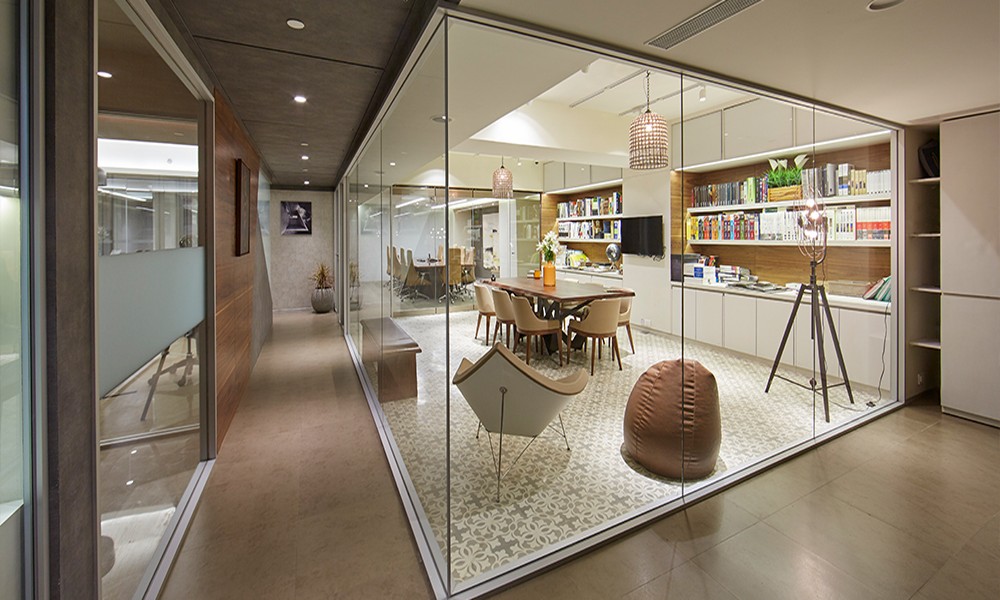

Glass conservatories have a way of changing how a home feels. They pull the outside in without letting the weather dictate terms. The glass walls and roof let light flood through, turning a simple room extension into something alive with the seasons. Conservatory Craftsmen has spent years building these structures, often using beveled glass that catches light in unexpected ways-rainbows appear on the floor during a shower, or the colors of a sunset stretch across the interior. It’s a small detail, but one that makes the space feel more connected to the natural world.
Mastering Light and Temperature
What sets a good glass conservatory apart comes down to how well it handles light and temperature. Too much direct sun can make the room unbearable in summer; poor insulation leaves it chilly when the temperature drops. Builders who understand this balance use glass strategically. Beveled edges on panels diffuse harsh glare while still delivering clear views. In Midwest projects, where winters bite hard, the glass combines with in-floor heating to keep things comfortable year-round. The result is a four-season room that doesn’t force you to choose between enjoying plants or staying warm.
Innovative Automation Features
Automation has quietly changed what glass conservatories can do. Roof vents open on their own when heat builds up inside. Shades drop automatically to block intense afternoon sun. Conservatory Craftsmen integrates these features so the structure responds almost like it has its own awareness-temperature sensors trigger fans, humidifiers kick in for plant health, even watering systems run on schedule in greenhouse-style setups. You can still override everything from your phone, which matters when you’re away, and a storm rolls in. It takes the guesswork out of maintenance, letting the glass do what it does best: frame the view without demanding constant attention.
The Art of Restoration and Material Selection
Restoration work shows another side of working with glass. Older conservatories often have beautiful original glazing that’s worth saving, but the frames or seals may have given way over time. Replacing sections carefully keeps the character intact while adding modern efficiency. One project in Excelsior involved updating a historic structure-new automated vents and shades went in, yet the classic lines and light play stayed true to the original design. Glass from decades ago can still perform well when paired with current climate controls. It’s rewarding to see these spaces come back to life, proving that thoughtful updates extend their story rather than erase it.
Materials around the glass matter just as much as the glass itself. Mahogany frames bring warmth and strength, especially in larger builds like pool enclosures or spa additions. Steel substructures wrapped in wood provide the support needed for expansive glass roofs without bulky visible supports. In places like Oshkosh, Wisconsin, or North Oaks, Minnesota, these choices help the conservatory blend with the home’s architecture instead of standing out awkwardly. The glass becomes the star, but the supporting elements make sure it lasts.
Geography plays a role, too. In harsher climates like the Midwest, glass conservatories need to handle freeze-thaw cycles and heavy snow loads. Farther south or in varied spots like Tucson or Greenwich, the focus shifts toward heat management and UV protection. Builders familiar with these differences adjust designs accordingly-perhaps thicker glass in colder zones or more shading options where the sun dominates. Conservatory Craftsmen has handled projects across these ranges, from second-story additions in New York to botanical setups farther west. Each one adapts the glass envelope to fit the local realities.
At their core, glass conservatories succeed when they feel effortless. The light pours in naturally, plants thrive without struggle, and the room stays usable no matter the forecast. It takes experience to get those details right-the right beveling for light play, the seamless automation that prevents overheating, the frames that age gracefully. Companies like Conservatory Craftsmen approach it with a hands-on mindset, walking through each step from initial sketches to final tweaks. The payoff comes in quiet moments: sitting with a book as snow falls outside the glass, or watching morning light shift across beveled edges. That kind of everyday magic is what keeps drawing people to these structures.
