
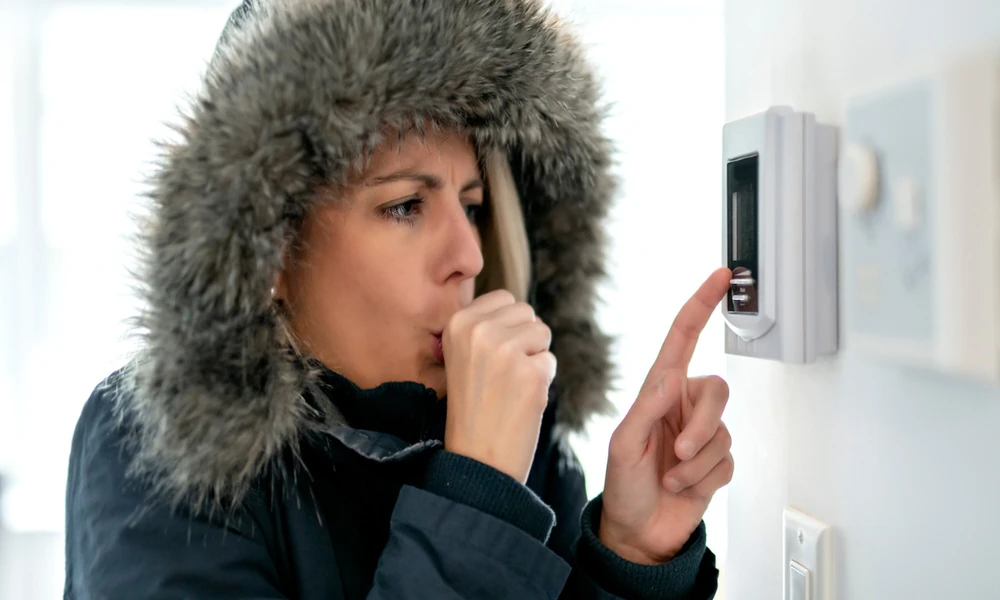

As autumn settles in and evening temperatures begin to drop, ensuring your property remains warm and energy-efficient becomes a top priority for every homeowner. A reliable heating setup is essential for maintaining indoor comfort, protecting property integrity, and keeping monthly utility bills under control throughout the cooler months. However, many households rely on aging units that quietly lose efficiency over time, putting occupants at risk of sudden breakdowns during cold snaps. Recognizing the early warning signs of system failure allows you to take proactive steps rather than facing an emergency situation when temperatures hit seasonal lows.
Upgrading your home’s climate control infrastructure involves careful evaluation of your current setup, spatial requirements, and long-term financial goals. When planning major home maintenance or replacing an outdated furnace, scheduling a professional heating installation in Riverside, CA ensures your living areas receive consistent, dependable warmth. Modernizing your system before the cold weather sets in guarantees optimal energy performance, lower operational costs, and total peace of mind for the season ahead.
Irregular Temperatures and Rising Energy Bills
One of the most noticeable indicators that your heating system is struggling is an uneven distribution of warmth across different rooms. Cold spots, slow warm-up times, and registers that emit weak air flow all point to declining mechanical performance. Internal component wear, clogged ductwork, or failing blower motors often prevent heat from circulating effectively throughout the building. Over time, these inefficiencies force the system to run longer and work significantly harder just to maintain a baseline level of comfort.
This extra mechanical effort inevitably manifests in your monthly fuel or electricity expenses, leading to unexpected financial strain. If your heating bills are steadily climbing while your household usage habits remain unchanged, your equipment is losing its core operational efficiency. Arranging a qualified heating installation in Riverside, CA helps resolve these persistent performance issues, as older units struggle to handle modern comfort demands. Replacing an outdated model with a high-efficiency system restores balanced indoor temperatures while curbing unnecessary energy waste.
Frequent Repairs and Strange Noises
An aging heating unit often gives clear audible signals that internal components are wearing out or reaching the end of their service life. Loud banging, whistling, rattling, or squealing sounds usually indicate mechanical friction, worn belts, or cracked heat exchangers. Ignoring these warning sounds can lead to complete equipment failure, leaving your household without adequate warmth when you need it most.
Furthermore, if you find yourself calling out service technicians for repeated repairs every autumn, the cumulative costs can quickly outweigh the price of a full system replacement. Frequent call-outs are a strong signal that key components have degraded beyond economical repair. Upgrading to a new, modern unit eliminates the hassle of unpredictable breakdowns, reduces ongoing maintenance expenses, and restores quiet, seamless operation to your living environment.
Navigating Space, Costs, and Building Regulations
Upgrading your heating infrastructure requires thoughtful planning regarding physical equipment space, overall budget, and local building requirements. Replacing an old heating unit involves considering equipment dimensions, ductwork compatibility, electrical capacity, and potential construction disruption within utility areas. While a direct swap minimizes mess, re-routing ductwork or switching from gas to heat pump technology may require minor structural or electrical adjustments. Homeowners must balance upfront capital expenditure against long-term operational savings to choose a setup that fits their financial plan.
Regulatory Compliance and Performance Trade-offs
- Building Regulations: All new system installations must comply with local safety, efficiency, and environmental codes, including proper permits and inspections.
- Planning Permission: Standard internal equipment upgrades rarely require planning permission, but external heat pump units or structural modifications may require local authorization.
- System Advantages: Modern high-efficiency furnaces and heat pumps deliver superior fuel economy, lower carbon emissions, and precise multi-zone temperature control.
- System Limitations: Higher initial equipment investment and potential ductwork upgrades can present temporary budget hurdles during the initial setup phase.
Adhering to legal and municipal standards ensures your new equipment operates safely and preserves your property’s overall resale value. Certified installation contractors will complete the required safety checks and issue necessary compliance paperwork upon finishing the project. By addressing physical space limits, code requirements, and installation logistics early, you ensure a smooth transition with minimal disruption to your daily routine.
Preparing Your Home for the Colder Months
Taking a proactive approach to home heating ensures your household remains safe, comfortable, and warm throughout the winter months. Waiting until a complete system shutdown occurs during a cold snap leaves you vulnerable to emergency call-out fees, prolonged discomfort, and limited installer availability. Scheduling an evaluation before winter hits gives you ample time to compare models, select energy-efficient equipment, and plan installation details without unnecessary rush or stress.
A timely equipment upgrade not only enhances daily living comfort but also adds lasting value to your home. Modern heating systems significantly reduce overall energy consumption while delivering immediate savings on utility expenses. By recognizing the early signs of system decline and taking decisive action today, you can enjoy complete peace of mind and dependable warmth all winter long.
Signs Your Home Needs a Heating System Upgrade Before Winter
