
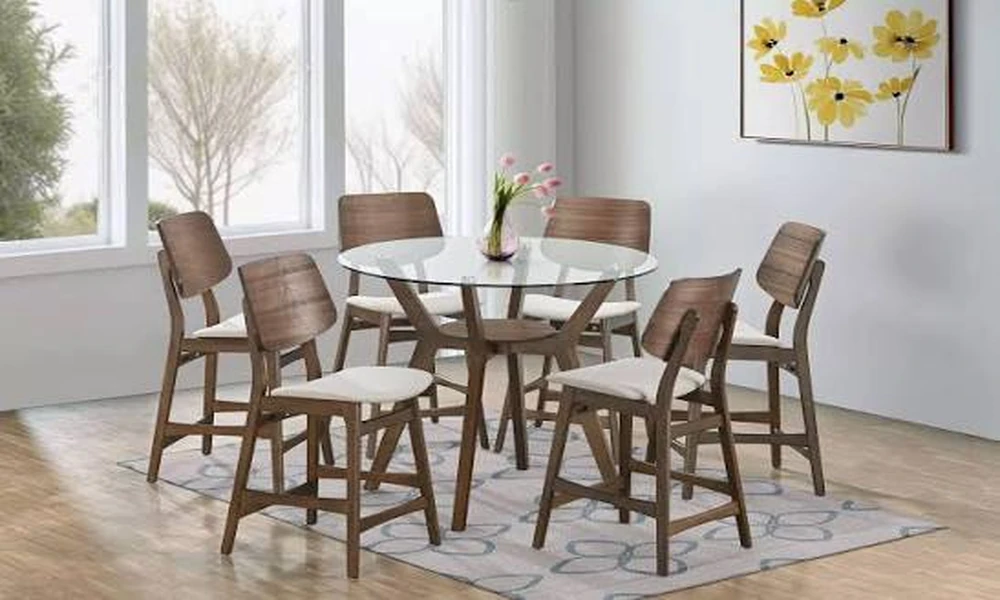

Most nights, a family dinner table only needs to fit the people who live in the house. A few times a year, it needs to seat cousins, grandparents, and friends. Buying a table large enough for the biggest gathering usually means living with an oversized piece the rest of the time. An extendable table bridges that gap.
Because a dining table takes daily wear from meals, homework, and crafts, many shoppers check Coleman Furniture reviews and other buyer feedback to see how tables and their mechanisms hold up over time. Knowing what to look for in the design itself makes that research more useful. Here is a practical guide to choosing an extendable table that fits real family life.
Measure the Room First
An extended table still needs space for chairs to pull out and people to walk behind them.
- Measure the length and width of the dining area.
- Allow roughly three feet between the table edge and walls or other furniture.
- Check the table’s fully extended size, not just its everyday size.
- Note doorways and walkways that must stay clear.
Understand the Main Extension Types
- Drop-in leaves: The table pulls apart and separate leaves are placed in the gap. Simple and sturdy, but the leaves need storage.
- Self-storing leaves: Leaves fold and tuck inside the table. Convenient, though the mechanism adds some weight.
- Butterfly leaves: A hinged leaf unfolds from the center. Quick to set up and stored inside the table.
- Drop-leaf tables: Side panels fold down when not needed. Good for small spaces but usually seat fewer people.
Pick the Right Shape
Rectangular tables extend into long banquet shapes that seat the most people. Round and oval tables encourage conversation and often extend into an oval, which works well in square rooms. Square tables can become rectangles with a leaf but may feel wide for small groups.
Look Closely at Leg Placement
Corner legs leave room for chairs along every side. A center pedestal or trestle base avoids legs at the corners, which helps when squeezing in an extra seat. When the table extends, check whether an extra center support drops down, since long spans without one can sag over time.
Choose a Durable Surface
Family tables see spills, scratches, and hot dishes. Material and finish affect how well a table recovers.
- Solid hardwood: Can be refinished if scratched, and dents tend to blend in over time.
- Veneers: Offer attractive grain at a lower cost but are harder to repair if damaged deeply.
- Sealed finishes: Polyurethane or conversion varnish finishes resist moisture better than oil or wax.
For buyers who want wood from responsibly managed forests, FSC certification is one label to look for on product listings.
Test the Mechanism
An extension that is hard to open ends up never being used. If shopping in person, open and close the table several times. Leaves should align evenly, slides should move smoothly, and locking clips should hold the halves firmly together.
Questions to Ask Before Buying
- How many people does the table seat at each size?
- Where are leaves stored when not in use?
- Does the leaf finish match the main top, and will it age the same way?
- Is there a center support for the extended length?
- What does the warranty cover for the extension hardware?
Caring for Leaves Over Time
Leaves stored in a closet can look slightly different from the main top after years of light exposure. Some families add the leaf for a few days every so often so all pieces age more evenly. Store separate leaves flat or on edge in a protective bag, away from heat and humidity.
A Table Ready for Every Occasion
The right extendable table feels right-sized on an ordinary Tuesday and generous on a holiday. By matching the extension style, shape, and finish to how the family actually lives, it becomes a piece that serves everyday dinners and big celebrations for years.
Tables That Grow: Choosing an Extendable Dining Table for Family Life
