

Most people judge a clog by the spot where the water stops. The sink fills or the tub turns into a footbath, and the instinct is to attack that one opening with a plunger or something harsh from a bottle. When the fix only holds for a week or two, the drain is telling you that the real trouble sits somewhere you cannot see from the bathroom floor.
Homes around Modesto give clogs plenty of places to hide, with hard water, mature trees and plenty of sewer lines laid generations ago all working against steady flow. For homeowners who keep fighting the same backup, ClearPath Plumbing and Drain Cleaning Solutions handles this kind of buried problem from its Modesto base, relying on camera inspections to see inside the line and hydro jetting when buildup turns out to be the cause, and its phones stay open around the clock for the backups that refuse to wait until morning.
The useful way to read a stubborn clog is to follow the water from fixture to street. Each stretch of pipe fails in its own way and leaves its own clues.
The First Few Inches Tell the Simplest Story
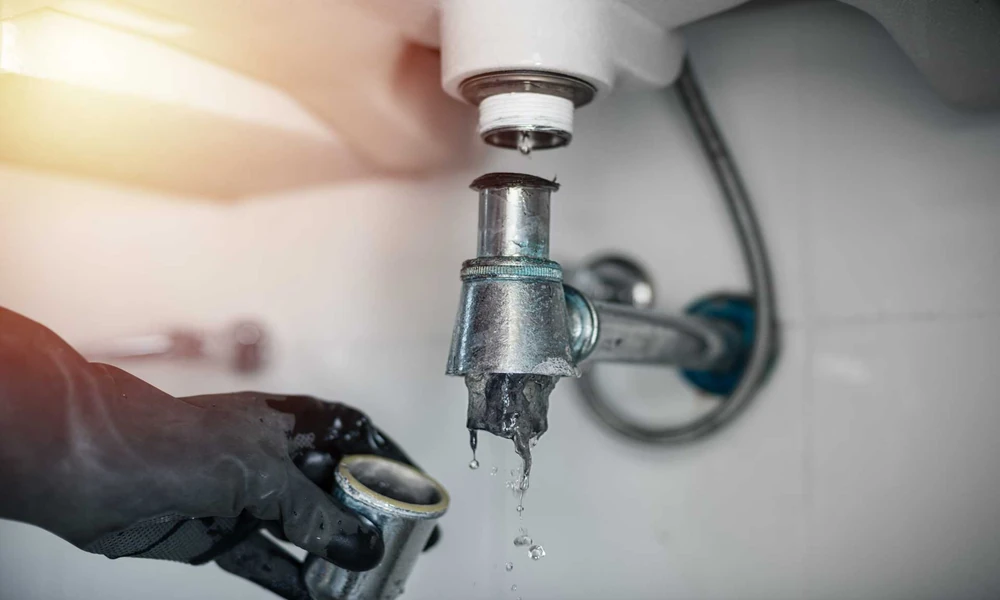
If one fixture drains slowly and everything else in the house behaves, the problem is almost always close to the opening. In bathrooms that means hair wrapped around the pop-up stopper or packed into the curve of the trap. In kitchens it is usually food scraps and grease caught in the trap beneath the sink.
Hard water adds a twist here. Calcium and magnesium react with bar soap to form a sticky curd that coats the inside of tailpieces and traps, and hair clings to it like lint on tape. A plunger, a plastic drain stick or simply pulling the trap and rinsing it will clear most of these. Chemical openers are riskier than they look, since they can stress older pipe and leave whoever opens the trap next working in caustic water.
Shared Branches Collect Everyone’s Habits
A few feet into the wall, drains from neighboring fixtures merge. When the sink and tub in the same bathroom slow down together, or when water rises in one kitchen basin while the dishwasher empties, the clog has moved past the individual traps and into a shared branch.
Kitchen branches deserve special suspicion. Grease leaves the pan as a liquid, cools inside the wall and sets along the pipe like candle wax, and coffee grounds or rice from the disposal stick to it.
A cable auger can punch through this kind of blockage quickly, which is exactly why the clog tends to return. The cable opens a hole through the middle, but the greasy ring on the pipe walls stays put and catches the next round of debris within weeks.
Hard Water Narrows the Pipe From the Inside
Modesto’s supply blends treated Tuolumne River water with groundwater from local wells, and the result is water hard enough to leave white crust on faucets across town. Inside drains, the same minerals settle into the rough interior of older cast iron, where rust and scale combine into a ridged crust that grabs paper, hair and food.
A few signs point toward buildup rather than one stuck object.
- The drain slows gradually over months instead of stopping all at once.
- The same line clogs again within weeks of being cleared.
- The house is older and has cast iron drains running under the slab or through a crawlspace.
In these cases the cure involves scrubbing the pipe walls, not poking a hole through the blockage. Hydro jetting does this with high pressure water and rotating nozzles, and older cast iron sometimes needs mechanical descaling heads that grind the crust off before the line is flushed clean.
When Every Drain Starts Talking at Once
Some symptoms belong to the whole house rather than any single room. A toilet that gurgles when the washing machine drains, water bubbling up in the tub after a flush, or several fixtures on the lowest level slowing down together all point to the main line.
This is the moment to stop running water, because every shower now has only one place to go, which is up through the lowest drain. Most homes have a cleanout, a capped pipe near the foundation or front of the property. Standing water inside it means the blockage lies toward the street, while a dry cleanout points back inside the house.
Roots Find the Joints Under the Lawn
The final stretch, the lateral, runs beneath the yard to the city main, and in a city known for its shade trees, this is where many repeat clogs live. Older laterals were often built from clay sections with a joint every few feet, and some postwar homes still have fiber pipe that softens and deforms with age. Roots do not break into sound pipe. They find a tiny leak at a joint, send in hair-like rootlets toward the moisture and nutrients inside, and those rootlets snag toilet paper until the flow chokes.
Valley summers make this worse, since dry soil sends roots searching for any source of water, and a weeping joint is an easy target. Across California, sewer agencies generally hold the property owner responsible for the private lateral, a point the Mt. View Sanitary District lays out clearly in its homeowner note on root intrusion and slow drains.
Cutting roots out restores flow, but it does not seal the joint they came through. If a line needs root cutting every year, the pipe itself is asking for attention.
A Camera Settles What Guesswork Cannot
Once a clog has returned more than twice, a video inspection usually costs less than more guessing. The footage reveals an offset joint, a crack, a mass of roots or a belly where the pipe has sagged in shifting clay soil and holds a puddle of standing waste.
A belly collects solids no matter how often the line gets cleaned, so the honest options become scheduled cleaning, a spot repair or relining and replacing the run. Asking for the recording with distances marked lets you compare quotes on equal terms.
Matching the Fix to the Stretch of Pipe
Repeat clogs stop repeating when the repair matches the place they actually start. A hairy trap needs ten minutes and a bucket. A greasy kitchen branch needs its walls cleaned, not just a tunnel through the middle. Scaled cast iron needs descaling, and a root-filled lateral needs both cleaning and an honest look at the joint that let the roots in.
The protective habits are simple. Grease belongs in a can, strainers catch hair early, and wipes labeled flushable still act like fabric at a rough joint. A softener eases the mineral load, and homes with root trouble do better with a planned cleaning before summer than an emergency call on a holiday weekend. Pay attention to which drains slow down and when, and the house will usually tell you exactly where to look.
