
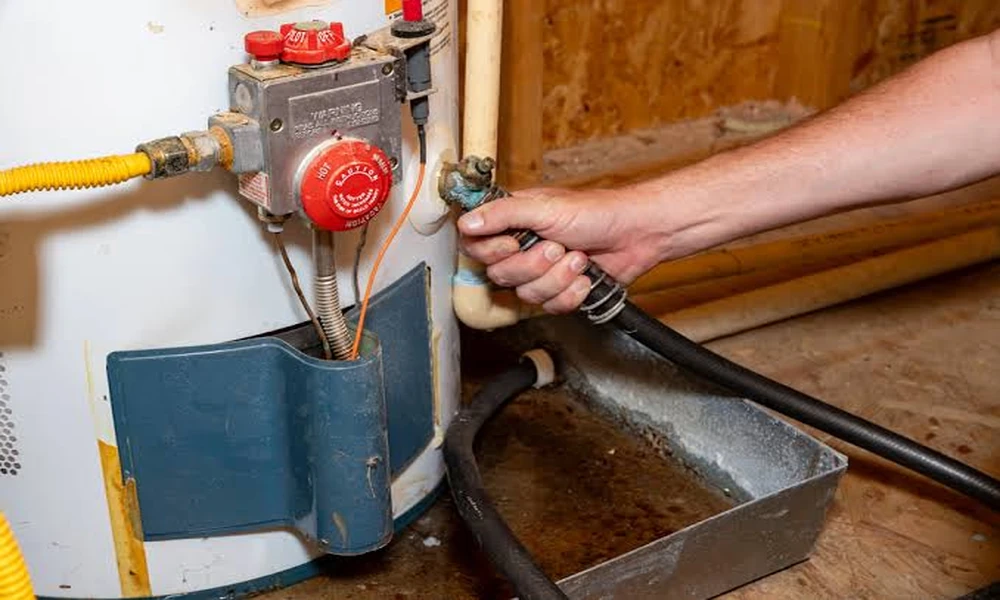

A leaking water heater is one of those household problems that’s hard to ignore. You may first notice a small puddle near the tank, moisture around a connection, or water dripping from somewhere underneath the unit. If you need gas services in High Springs, FL, understanding where the leak may be coming from can help you respond appropriately instead of guessing at the cause.
Water can escape from several parts of a water heater, and the location of the leak can provide useful clues. Some leaks come from a loose connection or pressure-related component, while others may indicate that the tank itself has deteriorated. Knowing the difference matters because some problems may be relatively straightforward to address, while others can require replacement of the unit.
Start by Locating the Source
Before deciding what to do, look closely at where the water is actually coming from. Water can travel along the outside of the tank or nearby pipes, making the visible puddle appear farther away from the original source.
Check the area around the unit and look for active dripping, damp connections, corrosion, or water collecting underneath the tank. If the source isn’t obvious, don’t assume that the tank itself is leaking.
The type of water heater can also affect the possible causes. Gas and electric models have different components, so the appropriate next step can vary depending on the system installed in your home.
1. Loose or Damaged Connections
The pipes connected to the water heater are common places for leaks to develop. Connections can loosen over time, while fittings, valves, and other components can eventually wear out.
A leak around one of these connections may appear as a small drip rather than a large amount of standing water. Even so, it shouldn’t be ignored. A small leak can become more noticeable if the connection continues to deteriorate.
Look closely at:
- The cold water inlet and hot water outlet connections
- Pipe fittings near the top of the tank
- Flexible connectors
- Shutoff valves and nearby joints
If water is clearly coming from a connection, the issue may be separate from the condition of the tank itself.
2. Pressure Relief Valve Problems
Water heaters have a temperature and pressure relief valve designed to release water if pressure or temperature becomes too high. If this valve is leaking, you may notice water around the valve or discharge pipe.
A faulty valve can sometimes leak because the valve itself is worn or because pressure conditions are causing it to open. Either way, the source should be investigated rather than simply trying to stop the water without understanding why it’s being released.
Because the valve is an important safety component, it shouldn’t be removed, blocked, or bypassed. If you notice persistent leaking from this area, having the system checked is the safer approach.
3. A Leaking Drain Valve
Most tank-style water heaters have a drain valve near the bottom. It’s used when the tank needs to be drained for maintenance or other work.
Over time, the valve can develop a leak. You may see water slowly dripping from the valve or collecting around the bottom of the unit.
Sometimes the valve doesn’t close properly after being used. In other cases, the valve itself may have worn out. Since it’s located near the base of the tank, water from this type of leak can easily look like a tank leak.
The valve should be inspected rather than repeatedly opened and closed in an attempt to stop the problem.
4. Corrosion Inside the Tank
A leak coming directly from the tank is more concerning. Tank-style water heaters are exposed to water and minerals throughout their service life, and corrosion can eventually affect the tank.
If the tank develops a hole or crack, water may leak from the body of the unit rather than from one of the external fittings. Once the tank itself has failed, replacing a valve or tightening a connection won’t solve the underlying problem.
Signs that may point toward tank deterioration include:
- Water coming directly from the tank body
- Rust or significant corrosion
- Moisture collecting underneath the unit
- A leak that continues even when nearby connections appear dry
A tank leak generally calls for professional assessment to determine whether repair is possible or replacement is the more practical option.
5. Excessive Pressure
High water pressure can put additional stress on plumbing fixtures and water heater components. If pressure inside the system becomes too high, it can contribute to leaks or cause the relief valve to discharge water.
Pressure problems aren’t always easy to identify by simply looking at the water heater. If you notice leaks developing in several fixtures around the home, inconsistent water pressure, or repeated relief valve discharge, the broader plumbing system may need to be evaluated.
Avoid trying to adjust pressure-related components without knowing what you’re changing. An incorrect adjustment could create additional problems.
What Should You Do When You Find a Leak?
The right response depends on how much water is coming out and where the leak appears to originate. A small drip still deserves attention, but a rapidly leaking tank requires a quicker response.
If water is accumulating around the unit, keep the surrounding area clear and avoid contact with electrical components. For a gas water heater, be especially careful around the burner and other gas-related components.
If you can safely identify and access the water shutoff, turning off the water supply to the heater can help limit additional water entering the tank. However, don’t attempt repairs involving gas connections or safety components unless you’re qualified to handle them.
When a Water Heater Needs Professional Attention
Some leaks have a simple cause, but it’s not always possible to determine the source by looking at the puddle alone. Professional assessment becomes particularly important when the leak is coming from the tank, the relief valve, gas-related components, or an area you can’t safely access.
It’s also worth getting the system checked if a leak keeps returning after a minor repair. Repeated leaks may indicate a larger problem with the unit or the plumbing connected to it.
Acting early can also help limit water damage. A water heater can hold a substantial amount of water, so a small leak that gets worse can create a much bigger mess.
Final Thoughts
A leaking water heater shouldn’t be treated as a problem that will necessarily fix itself. The source could be a loose connection, drain valve, pressure relief valve, or an issue with the tank itself.Finding the exact location of the leak is a useful first step, but some causes are difficult to identify without inspecting the system properly. It’s also important to avoid disabling safety components or attempting repairs involving gas connections if you aren’t qualified to do so.
If the tank itself is leaking, the unit may have reached the point where replacement needs to be considered. Other leaks may be repairable, depending on the condition of the affected component.Paying attention to rust, moisture, unusual pressure, and recurring leaks can help you spot trouble early. A prompt inspection can also help prevent a small plumbing issue from turning into water damage around the heater.
Most importantly, don’t ignore a water heater simply because the leak looks minor today. Understanding where the water is coming from and getting the right help when needed can protect your home and keep the system operating safely.
Water Heater Leaks: Common Sources and Appropriate Next Steps
