
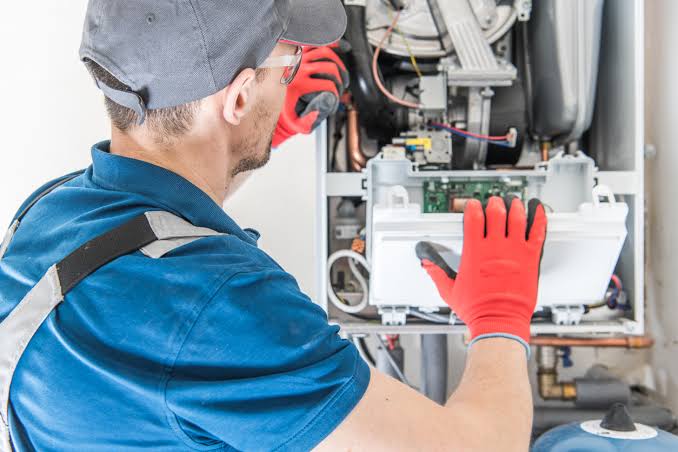

When your heating system is working properly, it’s easy to forget it’s there. But the moment your home starts feeling cold on a winter day, reliable heat quickly becomes a top priority. Understanding the difference between routine heating maintenance and emergency repairs can help you avoid unexpected breakdowns, reduce long-term costs, and keep your home comfortable throughout the heating season. If you’re dealing with a sudden issue that requires a repair heating system Helena, MT service, knowing what qualifies as an emergency can also help you act quickly.
While both maintenance and repairs play an important role in keeping your heating system running efficiently, they serve very different purposes. Knowing when each is needed can extend the lifespan of your equipment and help you avoid preventable problems.
What Is Routine Heating Maintenance?
Routine heating maintenance is the scheduled care your heating system receives to keep it operating efficiently and safely. Much like regular oil changes for a vehicle, preventive maintenance focuses on identifying minor issues before they become costly repairs.
A professional maintenance visit typically includes inspecting key components, cleaning essential parts, checking electrical connections, testing system performance, and replacing air filters when necessary. These routine tasks help ensure your heating system performs reliably throughout the colder months.
Homeowners who schedule annual maintenance often experience fewer unexpected breakdowns and more consistent indoor comfort. Regular service also allows technicians to spot worn components before they fail.
What Counts as an Emergency Heating Repair?
Emergency heating repairs are needed when your heating system stops working unexpectedly or develops a problem that could affect your safety or cause additional damage if left unresolved.
Some situations require immediate attention because they can leave your home without heat during freezing temperatures or indicate a potentially hazardous condition.
Examples of emergency heating problems include:
- The furnace will not turn on.
- The system blows only cold air.
- You smell gas near the furnace.
- Unusual burning odors persist after startup.
- Loud banging, grinding, or screeching noises develop.
- The system repeatedly shuts off before reaching the desired temperature.
- Carbon monoxide detectors activate.
These issues should never be ignored, especially during winter when prolonged heating failure can affect both comfort and safety.
Key Differences Between Maintenance and Repairs
Although both services involve professional HVAC technicians, their goals are very different.
Routine maintenance is preventive. It focuses on preserving system performance, improving efficiency, and reducing the likelihood of future failures.
Emergency repairs, on the other hand, are reactive. They address existing problems after something has already gone wrong.
Some of the biggest differences include:
| Routine Maintenance | Emergency Repairs |
|---|---|
| Scheduled in advance | Occur unexpectedly |
| Prevents breakdowns | Fixes active problems |
| Lower overall cost | Often more expensive |
| Improves efficiency | Restores operation |
| Extends equipment life | Addresses immediate failures |
Understanding this distinction helps homeowners make better decisions about caring for their heating systems before problems arise.
Benefits of Preventive Heating Maintenance
Many heating problems develop gradually rather than suddenly. Small issues like loose electrical connections, dirty burners, or worn belts may not immediately affect performance, but they can eventually lead to larger failures.
Routine maintenance offers several important benefits:
- Improves energy efficiency.
- Helps lower heating costs.
- Reduces unexpected breakdowns.
- Extends equipment lifespan.
- Promotes more consistent indoor temperatures.
- Supports safe system operation.
- Helps maintain manufacturer warranty requirements.
Preventive care is generally less expensive than repairing major system failures that could have been avoided.
Signs Your Heating System Needs Repairs Instead of Maintenance
Even if you schedule annual tune-ups, your heating system may still require repairs as it ages or experiences unexpected wear.
Watch for warning signs such as:
- Uneven heating throughout your home.
- Rising utility bills without increased usage.
- Frequent cycling on and off.
- Weak airflow from vents.
- Strange noises during operation.
- Persistent burning or musty odors.
- Difficulty maintaining the thermostat setting.
These symptoms often indicate a mechanical issue that requires professional diagnosis rather than routine servicing alone.
Common Mistakes Homeowners Make
Many homeowners unintentionally shorten the life of their heating system by delaying maintenance or ignoring early warning signs.
Some common mistakes include:
- Waiting until winter before scheduling service.
- Ignoring unusual sounds or smells.
- Forgetting to replace air filters regularly.
- Blocking supply or return vents with furniture.
- Attempting complex repairs without proper training.
- Continuing to run a malfunctioning system.
Addressing minor concerns early often prevents much larger repair bills later.
When Should You Schedule Maintenance?
The best time to schedule heating maintenance is before the heating season begins, typically during late summer or early fall. This allows technicians to identify potential issues before your system experiences heavy use.
If you’ve recently moved into a home and don’t know when the heating system was last serviced, arranging a professional inspection is a smart first step. Even newer systems benefit from regular maintenance according to manufacturer recommendations.
Annual maintenance provides peace of mind and helps ensure your heating system is ready whenever colder weather arrives.
Knowing When to Call for Professional Help
While homeowners can handle simple tasks like replacing air filters or keeping outdoor equipment clear of debris, most heating system problems require professional expertise.
Electrical components, gas connections, ignition systems, and heat exchangers all require specialized knowledge and equipment to inspect safely. If your heating system suddenly stops working or begins showing signs of serious malfunction, it’s important to seek professional assistance rather than attempting DIY repairs.
Prompt service can often prevent additional damage and restore safe operation more quickly.
Conclusion
Routine heating maintenance and emergency repairs serve different but equally important purposes. Maintenance focuses on preventing problems before they happen, improving efficiency, and extending the life of your heating system. Emergency repairs restore heat when unexpected failures occur and address issues that may affect safety or comfort.
By scheduling regular maintenance and responding quickly to warning signs, homeowners can reduce the risk of major breakdowns while keeping their heating systems operating reliably throughout the winter. A proactive approach not only protects your investment but also helps ensure your home stays warm when you need it most.
=============================================================
