

Located in Denton County, Corinth is a growing suburban city that’s positioned between Denton and Lewisville. There are well-known neighborhoods like Oakmont and Corinth Farms, along with newer homes. Suburban growth, coupled with closeness to the Lewisville Lake basin, creates a humid environment that many pest species love. Further expansion means ongoing construction, which pushes species, such as termites, fire ants, and stinging insects, into surrounding residential properties.
Knowing regional species and how to tackle them matters for homeowners. Don’t assume DIY treatments or typical pest products will resolve problems, considering infestations often are hidden. You will need a locally-known company in Corinth, like Romneypestcontrol.com, for ongoing help. Experts at Romney Pest Control ensure clients have support for both unexpected problems and seasonal spikes. Below is an overview of the common species.
Subterranean Termites
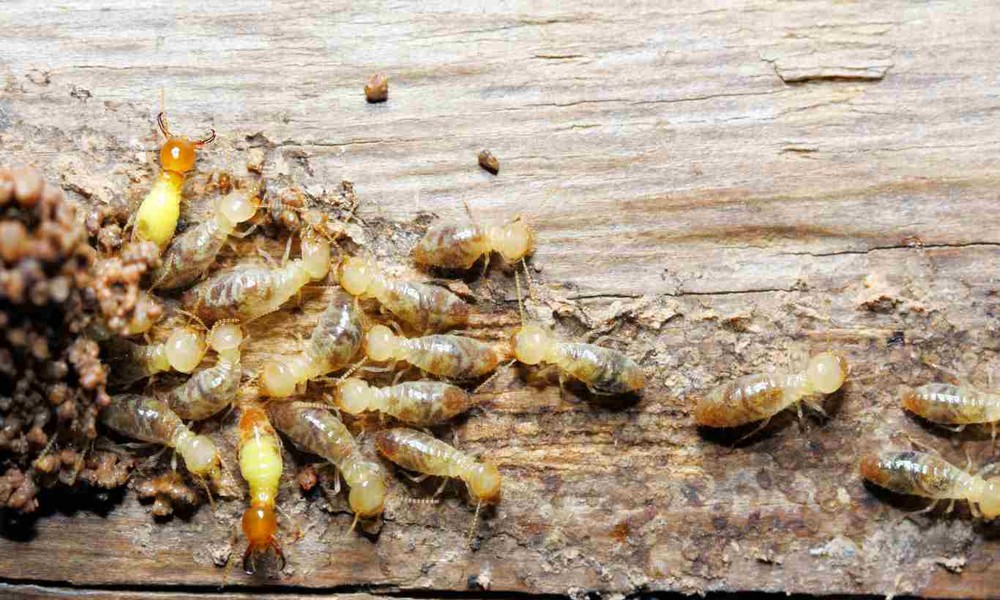
Eastern subterranean termites remain one of the main structural threats in Corinth. These insects survive easily in the soil here, which is high in clay and retains moisture. In many homes, termite activity often goes unnoticed for years, and as a result, property owners have to spend huge amounts on repairs. What works best is a proactive attitude, and for that, you need professionals who can use options like the Sentricon® System to neutralize colonies. Just baiting alone will not suffice.
Stinging Insects
Wasps, hornets, and yellow jackets are some of the common species found in areas with mature trees and nectar-rich gardens. Many homes in neighborhoods like Oakmont have unsealed compost areas that ensure foraging conditions for stinging insects. Species like mud daubers and paper wasps usually make nests in eaves and ventilation gaps, and the moment you see the first nest, you should call for help. Beyond removing nests, professional control also involves managing the conditions, such as trimming back vegetation and cleaning to remove pheromones.
Cockroaches
Given the intense seasonal heat of the region, it should be surprising that American and German cockroaches thrive in the humid zones of homes. These pests are known vectors of Salmonella and other pathogens, and they can be found in kitchens, bathrooms, and pantry areas, which only increases the risk of exposure. Those retail aerosols from the local market can cause budding, where the colony splits because of the stress, and you may have an infestation that’s spread to new areas. The best choice is professional baiting that can get rid of the nesting population.
House mice and Roof rats
These rodents are active in Corinth for most parts of the year. Their habit of gnawing on wiring within attic insulation can mean dealing with fire risks. Rodents can also chew almost anything, and it doesn’t take long for a pair of mice to breed and multiply in number. Professionals often recommend exclusion measures before winter, which include sealing gaps and cracks, and they have interior trapping programs that can ensure safe removal.
Carpenter Ants
Carpenter ants don’t eat wood like termites, but excavate galleries through moist or decayed wood to build nests. The risk is still high, and if there is an active population, you will find frass, which looks like sawdust and can be spotted near windows and baseboards. Because these ants move between interior and exterior nests, technicians find the parent colony and consider relevant treatment. Without that approach, DIY remedies will always fail.
Suburban growth and seasonal cycles make it hard for homeowners to manage pest risks here. Consider hiring a pest control service in Corinth for ongoing work, so that technicians can check your home in each season and take all the necessary measures. You can also get advice on what steps you can follow that can reduce infestation concerns.
