
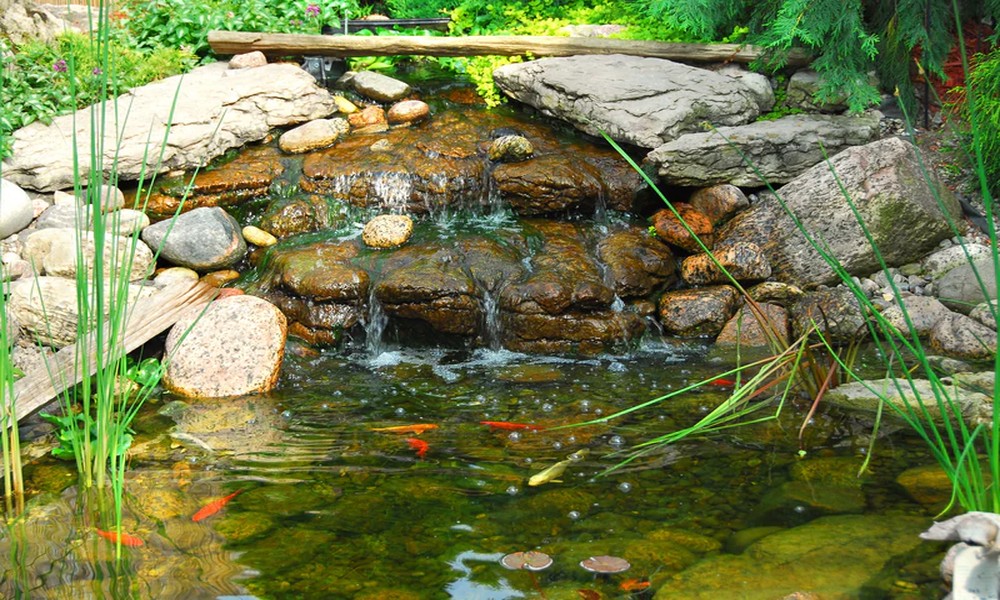

Proper filtration in a koi pond using koi pond filters makes all the difference when it comes to keeping fish healthy and ensuring they thrive for many years. Effective filtration reduces harmful substances such as ammonia and nitrites, which can severely impact koi health. When these compounds accumulate, they can lead to illness and reduced lifespans. Koi kept in clean water tend to display brighter colors, improved activity levels, and stronger resistance to disease. Water quality plays a critical role because well-filtered ponds create stable environments where fish can grow without unnecessary stress. Although regular filter maintenance and cleaning may seem like extra effort, it is far easier than dealing with sick or dying fish later on, making consistent upkeep well worth the time invested.
Maintaining Water Clarity and Ecosystem Balance
Good filtration plays a major role in keeping pond water clear and maintaining a balanced aquatic environment. Clean water improves visual appeal and also supports healthy plant growth beneath the surface. Fish benefit significantly as balanced ecosystems help prevent algae overgrowth, which can reduce oxygen levels and endanger aquatic life. Clear water also lowers the risk of disease, since polluted conditions often encourage harmful microorganisms that can negatively affect koi and other pond inhabitants. Filtration systems regulate nutrient levels and remove fine particles from the water, ensuring the pond remains stable and healthy over time for all living organisms within it.
Types of Koi Pond Filtration Systems
Mechanical Filtration: Trapping Debris Efficiently
Mechanical filtration is essential for maintaining clean pond water by physically removing larger debris such as leaves, uneaten food, and other solid waste. These systems typically use mesh screens or rotating drum mechanisms to capture unwanted materials before they break down in the water. Without this stage of filtration, organic waste would decompose in the pond, leading to poor water quality and imbalanced conditions. While mechanical filtration effectively removes visible debris, it requires regular maintenance to prevent clogging and ensure proper operation. If neglected, reduced performance may increase reliance on chemical treatments, which are generally less desirable for maintaining a natural pond environment.
Biological Filtration: Breaking Down Harmful Waste
Biological filtration is responsible for converting harmful waste products into less toxic substances through natural bacterial processes. Beneficial nitrifying bacteria colonize filter media and work continuously to break down ammonia and nitrites, both of which are dangerous to koi. As these bacterial colonies establish themselves, water quality gradually improves and stabilizes. This process requires time to develop, as biological systems cannot function effectively without a properly matured bacterial population. Allowing sufficient time for this ecosystem to establish is essential for long-term pond health. Once fully developed, biological filtration creates a balanced environment that is difficult to replicate through other methods.
UV Filtration: Combating Algae and Pathogens
UV filtration systems improve water quality by using ultraviolet light to neutralize free-floating algae and harmful microorganisms. This process helps keep pond water clearer and reduces the frequency of algae blooms, contributing to a healthier environment for fish and aquatic plants. By limiting algae growth and reducing harmful pathogens, UV filtration also decreases the need for frequent cleaning and chemical treatments. As a result, pond maintenance becomes easier while overall water clarity and stability are significantly improved.
Top Pond Filtration Systems Reviewed
Premium Multi-Stage Filtration Systems: Pros and Cons
High-end multi-stage filtration systems are widely recognized for their efficiency and long-term durability. These systems are designed to accommodate a wide range of pond sizes, from small backyard ponds to larger, more complex installations. Their adaptability makes them suitable for various setups. However, their advanced design often comes with a higher cost, which may not fit every budget. Additionally, compatibility with existing pond equipment can sometimes be an issue, especially in older installations. Careful planning is important to ensure proper integration without requiring significant modifications.
Natural Waterfall-Style Filtration Systems: Features and Performance
Natural waterfall-style filtration systems integrate biological filtration with landscape design, offering both functionality and aesthetic appeal. These systems distribute water evenly across filtration media while simultaneously creating a waterfall effect that enhances the visual appearance of the pond. The improved water flow supports more efficient filtration and contributes to overall water quality. When properly designed, these systems provide a strong balance between performance and natural-looking pond features, making them a popular choice for decorative yet functional pond setups.
Budget-Friendly Pressure Filtration Systems: Efficiency and Value
Budget-friendly pressure-based filtration systems offer a cost-effective solution for maintaining pond water quality. Despite their lower price point, these systems are capable of delivering reliable mechanical and biological filtration performance. They are generally easy to install and maintain, making them suitable for beginners or hobbyists. While they may not offer the advanced features of more expensive systems, they still provide solid water clarity and support healthy conditions for aquatic life. Their combination of affordability and functionality makes them a practical option for those seeking dependable performance without high investment costs.
Choosing the Right Filtration System
Key Factors: Pond Size vs. Fish Population
When selecting a filtration system, it is important to consider both pond size and fish population. The balance between filtration capacity and biological load directly affects water quality and fish health. A common guideline suggests allowing approximately one inch of fish length per gallon of water. Larger ponds with higher fish densities require more powerful filtration systems to manage increased waste production. Proper sizing helps maintain stable water conditions and reduces the risk of water quality issues over time.
Matching Filtration Capacity to Water Volume
Understanding total pond water volume is essential when choosing an appropriate filtration system. An undersized system may struggle to maintain clean and healthy water conditions. A general recommendation is that pond water should circulate through the filtration system at least one to two times per hour. Ensuring proper turnover allows contaminants to be consistently removed and helps maintain a stable aquatic environment for both fish and plants.
Budget Considerations and Long-Term Value
When evaluating filtration systems, it is important to consider both initial cost and long-term maintenance expenses. Higher-quality systems often require less frequent maintenance and provide more consistent performance over time, which may reduce overall costs in the long run. Durability, warranty coverage, and build quality should also be taken into account. Investing in a reliable system can improve water quality stability and reduce the need for frequent replacements or repairs.
Installation and Maintenance Best Practices
Step-by-Step Setup for Optimal Performance
Proper installation is essential for achieving the best performance from a pond filtration system. Following manufacturer guidelines ensures that all components are positioned correctly for optimal operation. Correct installation improves system efficiency and helps maintain water clarity. Proper water flow direction is also critical, as it ensures that water moves evenly through each filtration stage, allowing contaminants to be effectively removed throughout the system.
Routine Cleaning Schedules and Troubleshooting
Regular cleaning is necessary to maintain efficient filtration performance. Routine maintenance helps prevent blockages that can restrict water flow and reduce system effectiveness. Understanding basic troubleshooting methods is also beneficial, as it allows quick resolution of minor issues before they develop into larger problems. Consistent upkeep ensures reliable operation and helps protect the overall health of the pond ecosystem.
Seasonal Maintenance for Year-Round Clarity
Seasonal changes require adjustments in pond maintenance practices to ensure consistent water quality throughout the year. During colder months, filtration systems may need to be protected or partially adjusted to prevent damage from freezing conditions. In autumn, removing fallen leaves and organic debris is essential to prevent clogging and water quality decline. Regular seasonal inspections help identify small issues early, preventing them from developing into more serious problems that could affect the entire pond environment.
