
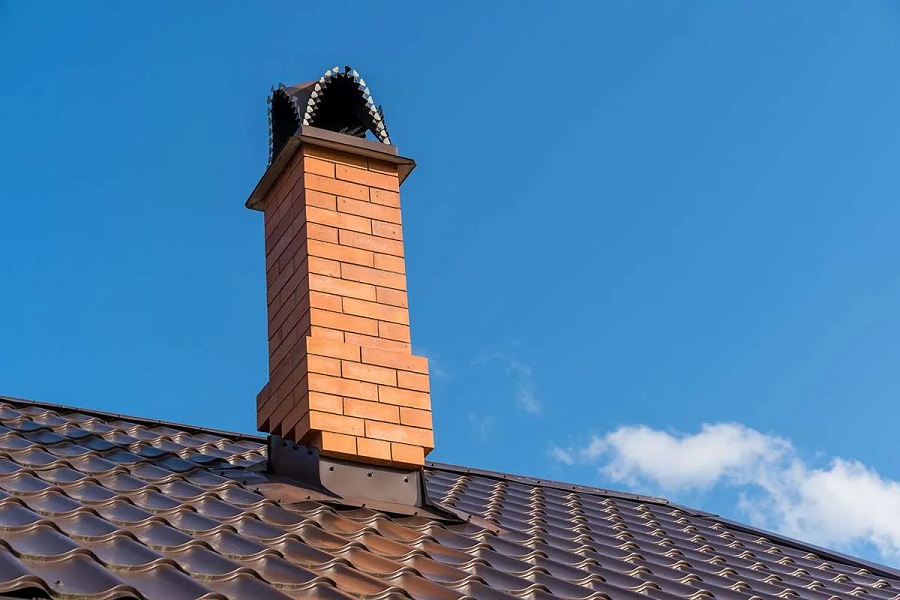

As the temperature drops and the first frost of autumn arrives, there is nothing quite as comforting as the crackle of a warm fireplace. For many homeowners, the chimney is a focal point of seasonal comfort and a vital component of the home’s heating infrastructure. However, because much of the chimney structure is hidden behind masonry or located high on the rooftop, it is often one of the most neglected areas of home maintenance. A chimney that is not functioning correctly is more than just a nuisance; it is a significant fire hazard and a potential source of carbon monoxide poisoning. Understanding the subtle warning signs of deterioration is essential for keeping your household safe and your heating system efficient.
Regular maintenance usually involves a basic sweep, but there are certain scenarios where a standard visual check is simply not enough. If your home has suffered significant weather damage, or if you suspect hidden structural flaws following a chimney fire, you may require a level 3 chimney inspection. This most intensive form of evaluation goes beyond the surface, often requiring the removal of certain components like the chimney crown or interior walls to gain access to concealed areas. By identifying deep-seated issues early, you can prevent catastrophic failures and ensure your fireplace remains a safe source of warmth throughout the winter months.
Visual Cues of Masonry Distress
One of the most obvious signs that your chimney is in trouble is the presence of “spalling.” This occurs when moisture enters the brick or stone and undergoes a freeze-thaw cycle, causing the surface of the masonry to peel, pop out, or flake off. If you notice bits of brick piling up at the base of the chimney or on your roof, the structural integrity of the stack is being compromised. Left unchecked, spalling can lead to a total collapse of the chimney structure.
Furthermore, pay close attention to the mortar joints. If the mortar is crumbling or shows deep cracks, it is no longer providing the necessary lateral support for the bricks. This allows even more moisture to penetrate the system, accelerating the decay of the interior flue liner. Water is the primary enemy of masonry, and visible damage on the outside is almost always a precursor to more severe issues within the hidden sections of the flue.
Signs of Internal Flue Damage
The flue liner is the most critical safety feature of your chimney, as it contains the heat and toxic gases produced by a fire and directs them safely outside. Over time, heat stress and acidic condensation can cause the liner to crack or “delaminate.” If you see thin slices of tile (shaling) in the bottom of your fireplace, your clay liner is failing. In cases where the damage is suspected to be structural or hidden behind the masonry, a professional may recommend a level 3 chimney inspection to determine the full extent of the hazard. A compromised liner can allow heat to transfer to nearby wooden house framing, which is a leading cause of residential structure fires.
The Danger of Creosote Buildup
Whenever you burn wood, a byproduct called creosote is deposited on the walls of the flue. Creosote is highly flammable and comes in three stages. Stage one is a flaky soot that is easily brushed away, but stage three is a thick, waxy, or glazed coating that is incredibly difficult to remove and serves as the primary fuel for chimney fires.
- Odor Issues: If you smell a “campfire” scent or an asphalt-like odor coming from the fireplace when it isn’t in use, you likely have significant creosote buildup.
- Poor Drafting: If smoke enters the room rather than going up the chimney, it may indicate a blockage or a heavy layer of soot restricting airflow.
- Efficient Burning: A clean chimney improves the “draw” of the fire, allowing the wood to burn more completely and providing more heat for your home.
- Animal Obstructions: Birds and squirrels often build nests in chimneys during the spring; these nests can completely block the flue and create a carbon monoxide backup.
Analyzing the Chimney Crown and Flashing
The very top of your chimney is protected by a masonry cap known as the crown. Because it is exposed to the harshest elements, it frequently develops cracks. Once water enters these cracks, it can bypass the flue liner entirely and rot the interior structure of your home. Similarly, check the metal flashing where the chimney meets the roofline. If the caulking is dried out or the metal is rusted, water will eventually find its way into your attic, leading to mold growth and wood rot that can be difficult and expensive to remediate.
When to Seek Professional Intervention
While a homeowner can spot surface-level issues, many of the most dangerous chimney conditions are invisible to the naked eye. If you have recently purchased a home, changed the type of fuel you burn (such as switching from wood to gas), or experienced a seismic event or heavy storm, a comprehensive professional evaluation is non-negotiable. Modern inspectors use specialized video cameras to “snake” down the flue, providing a high-definition view of every inch of the liner. This technology ensures that even the smallest hairline fracture—which could still leak deadly gases—is identified and repaired.
Conclusion
A healthy chimney is the backbone of a safe and efficient home heating system. By staying vigilant and watching for signs like spalling masonry, falling flue tiles, and persistent odors, you can address minor repairs before they evolve into life-threatening hazards. Investing in a professional inspection is not just a maintenance task; it is a commitment to your family’s safety. Ensure your home stays warm and secure by giving your chimney the expert attention it deserves before the first fire of the season.
