

Key Takeaways
- Inter-floor leaks in high-rise homes usually originate from the unit above and require technical verification before repair begins.
- Detached waterproof membranes and damaged pipe joints create hidden seepage that surface patching cannot resolve.
- A waterproofing specialist in Singapore uses targeted diagnostic tools and injection methods to seal leaks at the source.
Introduction
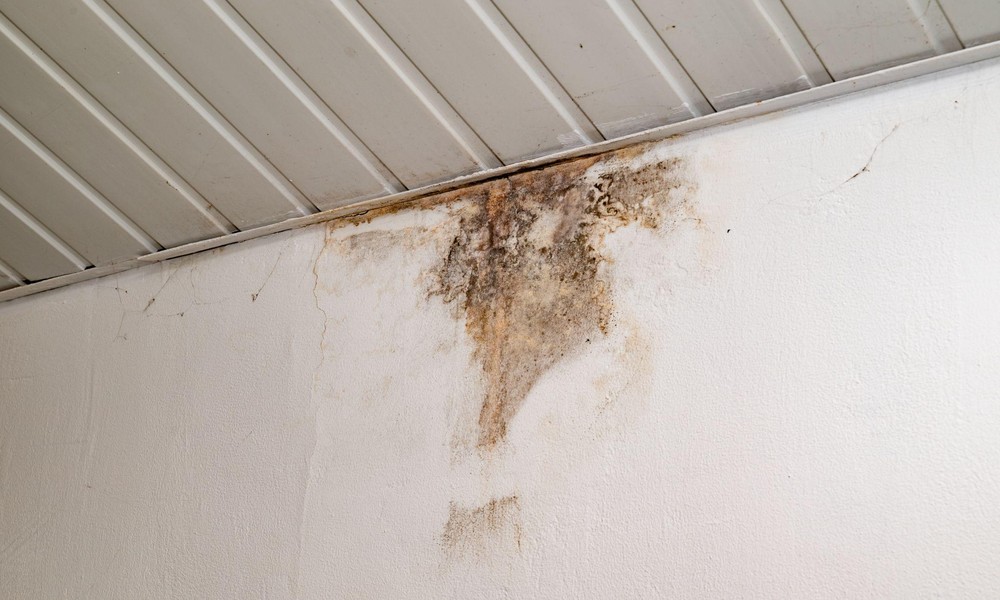
A damp patch on the ceiling rarely stays small. Water stains spread across paint, weaken plaster, and encourage mould growth within weeks. In Singapore’s high-rise flats and condominiums, water does not always travel in a straight line. It moves through floor slabs, pipe joints, and tile gaps before appearing below. Many homeowners request a quick ceiling leakage repair, only to see the stain return after the next heavy use of the upstairs bathroom. Permanent repair requires identifying the entry point and sealing it correctly. The following five causes explain when you need a waterproofing specialist in Singapore instead of surface patchwork.
1. Inter-Floor Seepage from the Unit Above
In multi-storey housing, ceiling leaks often start from the floor of the unit directly above. Water penetrates failed bathroom membranes or cracked tile grout and travels through the reinforced concrete slab. The leak may appear in your bedroom or living area, even though the problem sits inside your neighbour’s toilet.
A waterproofing specialist in Singapore uses moisture mapping tools and controlled water testing to trace the leak path. This documentation becomes essential during HDB or management council coordination. Without technical proof, disputes over repair responsibility can delay action. Accurate diagnosis prevents unnecessary hacking in your unit and directs repair work to the correct floor.
2. Failed Bathroom Waterproofing Membrane
Every bathroom floor includes a waterproof membrane installed beneath the tiles. This layer prevents water from soaking into the slab below. Over years of exposure to moisture, cleaning chemicals, and thermal expansion, the membrane can crack or detach from the substrate.
When someone showers upstairs, and water drips shortly after, membrane failure becomes a strong possibility. Surface sealants cannot fix this condition because water already travels beneath the tiles. A waterproofing specialist in Singapore evaluates whether targeted injection or full membrane replacement is required. Correct repair restores the protective barrier rather than masking the symptom.
3. Degradation of Internal Pipe Joints
Plumbing lines run inside floor slabs and walls. These concealed pipes connect taps, showers, and floor traps. Over time, metal joints corrode, and threaded connections loosen. When this happens, water leaks slowly into the surrounding concrete before reaching the ceiling below.
Leak patterns help identify pipe-related damage. A constant drip often indicates a pressurised supply pipe leak. A drip that occurs only when taps operate points to a discharge pipe issue. A waterproofing specialist in Singapore conducts pressure tests and flow checks before recommending ceiling leakage repair. Repairing plaster without addressing pipe defects guarantees recurrence.
4. Poorly Sealed Floor Traps and Service Penetrations
Waterproofing fails most frequently at connection points. Floor traps, waste pipes, and service penetrations cut through the slab and create weak zones. If installers do not seal these junctions properly, water slips through the gaps and seeps downward.
Leaks from these areas usually appear near bathroom corners or directly beneath shower zones. Instead of removing all tiles, a waterproofing specialist in Singapore injects sealant or grout into the affected collar area. This method strengthens the joint and prevents further seepage without dismantling the entire bathroom. Targeted sealing reduces downtime and limits renovation costs.
5. Concrete Porosity and Capillary Movement
Concrete absorbs water when exposed to prolonged moisture. In older buildings, micro-cracks form within the slab. Water enters these tiny pathways and travels laterally before surfacing as a ceiling stain far from the actual source.
This condition confuses homeowners because the visible damp patch does not align with the bathroom fixtures above. A waterproofing specialist in Singapore applies polyurethane injection under controlled pressure. The resin expands within the concrete, filling voids and blocking hidden channels. This approach addresses structural seepage rather than repainting stained areas.
Conclusion
Stains on the ceiling indicate internal water flow rather than aesthetic damage. Tests and treatments must be tailored to each reason. Repairs made by guesswork exacerbate the issue and raise long-term expenses. A Singaporean waterproofing expert locates the point of ingress, repairs damaged areas, and reestablishes structural integrity. Recurring ceiling leak repair cycles are avoided, and ceilings are kept dry by addressing the underlying problem.
For a thorough examination and long-term ceiling leak repair, get in touch with General Waterproofing & Service.
