

Improving your outdoor space can dramatically increase both the beauty and value of your home. A well-planned landscape creates a welcoming environment, enhances curb appeal, and provides functional outdoor areas for relaxation and entertainment. Before beginning any project, homeowners should understand the key steps involved in professional landscaping projects. Working with experts in landscaping design and installation ensures that your outdoor space is carefully planned and executed to achieve the best possible results.
Why Landscaping Installation Matters
Landscaping installation goes far beyond planting a few trees or adding flowers. It involves transforming an outdoor space into a cohesive design that blends natural elements, hardscaping features, and functional layouts. Proper installation ensures that plants thrive, drainage works correctly, and outdoor structures remain stable for years to come.
Professional landscaping helps create balance in your yard by carefully placing plants, pathways, lighting, and outdoor features. The result is a property that feels organized, attractive, and easy to maintain.
Start with a Clear Landscape Plan
One of the most important steps in any landscaping project is developing a clear design plan. A well-designed layout considers the size of the yard, the architectural style of the home, and the intended use of the outdoor space. Planning ahead prevents costly mistakes and ensures that every feature works together harmoniously.
Many homeowners begin by gathering inspiration and exploring ideas such as garden beds, patios, walkways, and outdoor seating areas. Reviewing resources like 10 Landscaping Design Ideas to Transform Your Outdoor Space can help homeowners visualize the possibilities for their property.
Evaluate Soil and Drainage Conditions
Before installation begins, professionals typically assess soil quality and drainage conditions. Healthy soil is essential for plant growth, while proper drainage prevents water from pooling around structures and plant beds.
In some cases, soil amendments or grading adjustments may be necessary to prepare the yard for planting and construction. Addressing these factors early in the process ensures that the landscaping remains healthy and structurally sound over time.
Choose the Right Plants
Plant selection plays a major role in the success of any landscaping project. Choosing plants that thrive in your climate and soil conditions helps reduce maintenance and ensures long-term growth. Native plants are often recommended because they adapt well to local environments and require less water and fertilizer.
Landscape designers also consider factors such as sunlight exposure, mature plant size, and seasonal color when selecting plants. This careful planning helps create a balanced and visually appealing yard throughout the year.
Incorporate Hardscaping Features
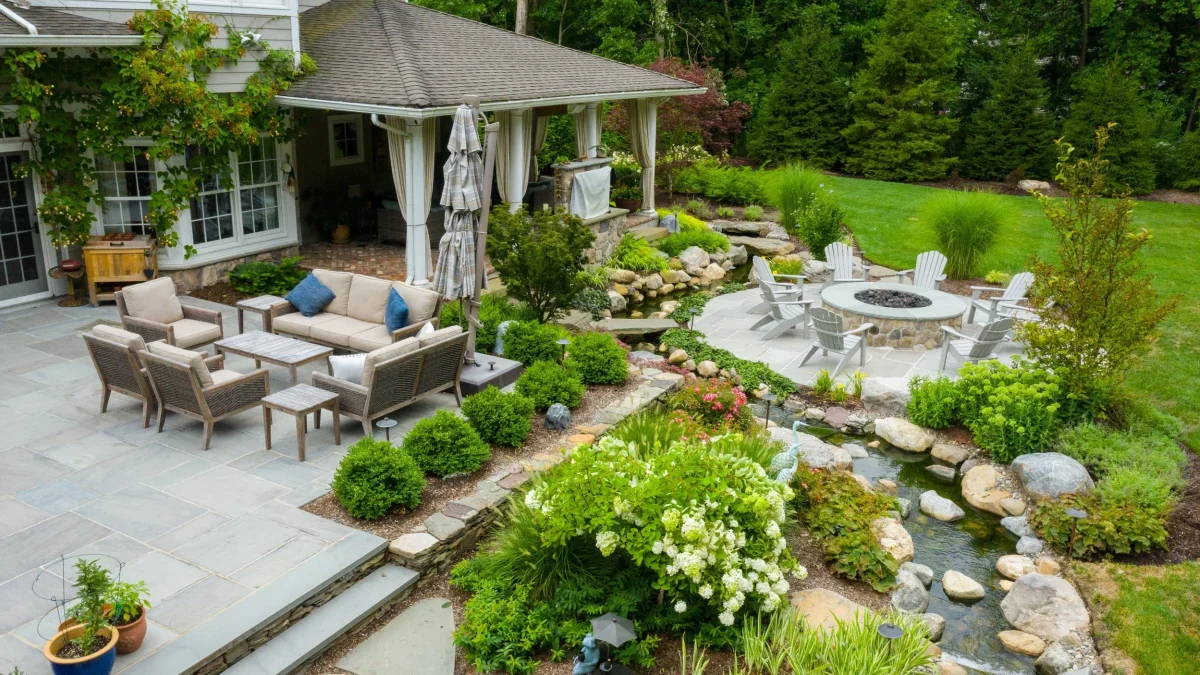
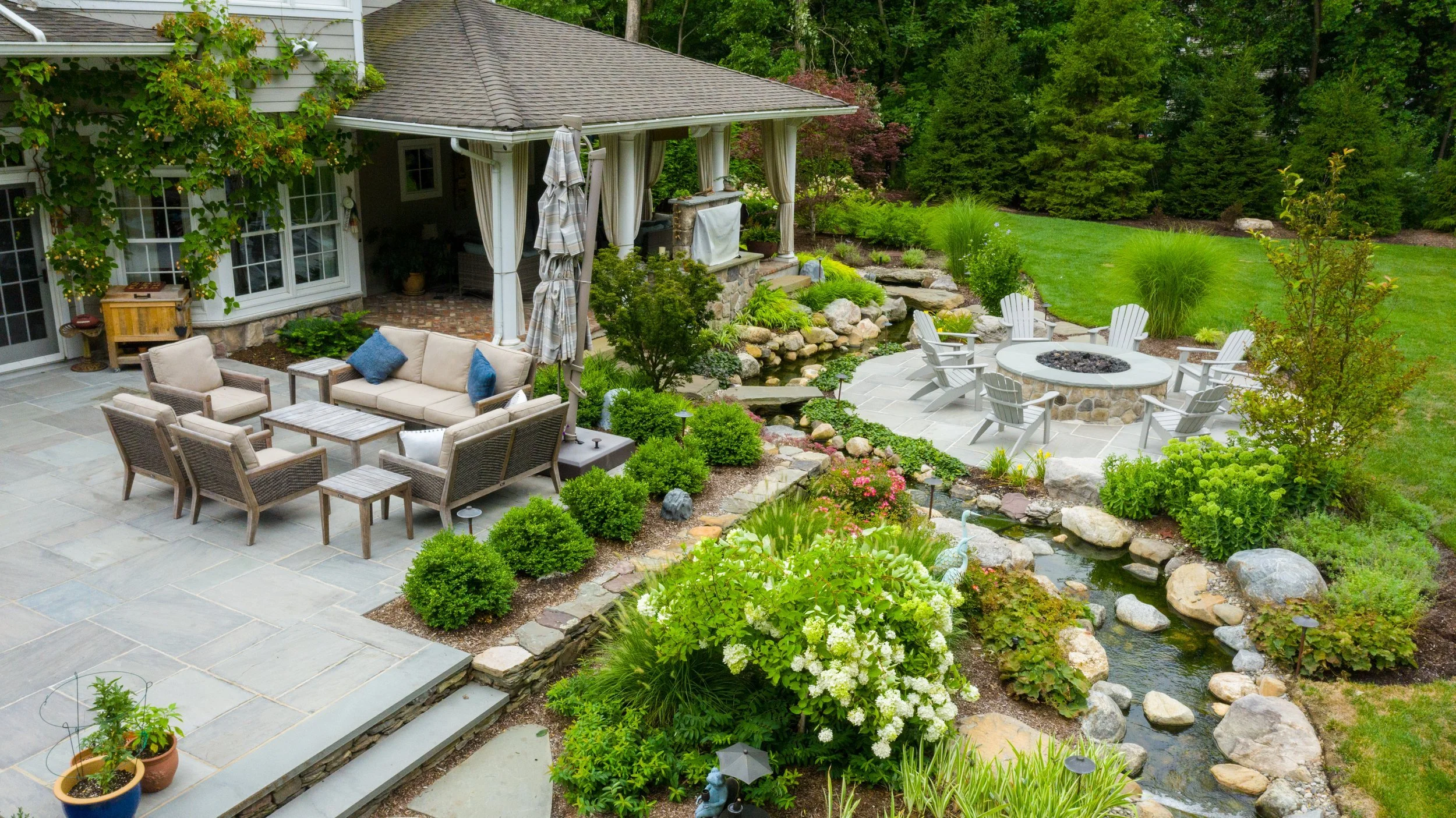
Hardscaping elements provide structure and functionality within the landscape. Features such as patios, retaining walls, walkways, and outdoor kitchens create usable outdoor spaces while enhancing the overall design.
These elements are typically installed before planting begins so that the layout of the yard is clearly defined. High-quality materials and proper installation ensure that hardscaping features remain durable and visually appealing for many years.
Consider Outdoor Lighting
Landscape lighting is an important addition that many homeowners overlook during installation. Well-placed lighting improves safety, highlights architectural and landscape features, and creates a welcoming atmosphere during the evening hours.
Lighting can be installed along walkways, around patios, and near garden beds to showcase plants and create depth within the landscape. This feature extends the usability of outdoor spaces long after the sun goes down.
Allow Time for Proper Installation
Landscaping installation is a detailed process that requires careful coordination. Preparing the ground, installing hardscaping features, planting vegetation, and adjusting irrigation systems all take time to complete properly.
Rushing the installation process can lead to uneven surfaces, poor drainage, or unhealthy plants. Professional landscapers follow a step-by-step approach to ensure every part of the project is completed correctly.
Plan for Long-Term Maintenance
Once landscaping installation is complete, maintaining the yard becomes the next priority. Regular watering, pruning, mulching, and fertilizing help plants remain healthy and vibrant. Hardscaping elements may also require occasional cleaning or sealing to maintain their appearance.
A well-designed landscape typically requires less maintenance because plants and materials are chosen with longevity and sustainability in mind.
Work with Experienced Landscaping Professionals
Hiring experienced landscaping professionals can make a significant difference in the outcome of your project. Skilled contractors understand how to combine design creativity with proper installation techniques. They can also recommend plant selections, layout improvements, and durable materials that fit your specific property.
Professional landscapers handle every stage of the project, from planning and preparation to installation and finishing details. Their expertise helps ensure the final result is both beautiful and functional.
Create an Outdoor Space You’ll Enjoy for Years
A well-executed landscaping project can completely transform the way you experience your outdoor space. By carefully planning the design, selecting the right materials, and working with experienced professionals, homeowners can create yards that are both visually stunning and practical.
With thoughtful landscaping installation, your property can become a relaxing retreat, an entertaining space for guests, and a lasting investment in your home’s beauty and value.
