
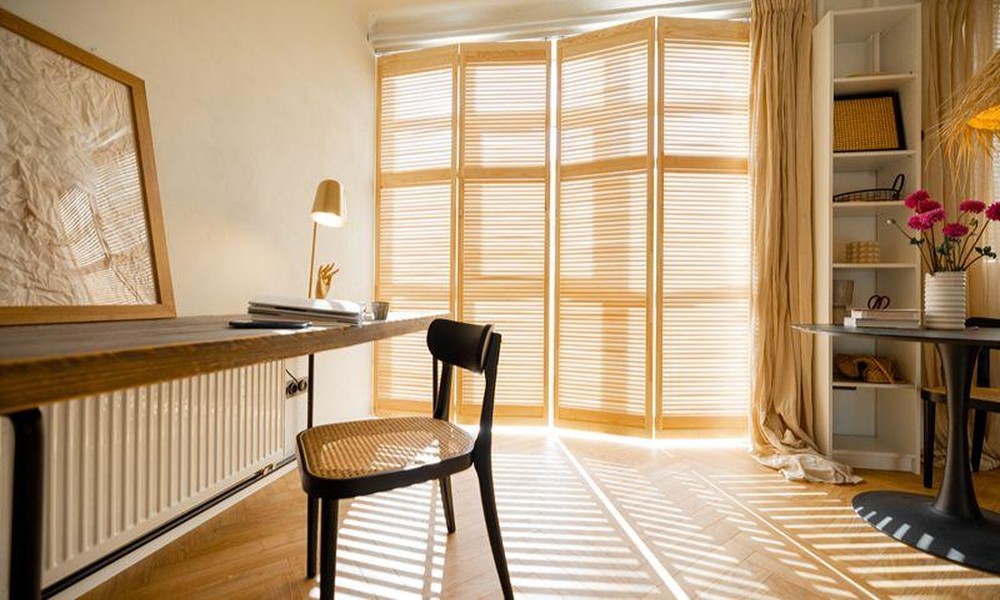

Window blinds are often treated as a design upgrade, but many households eventually notice their financial impact instead. Cost reduction rarely shows up at the point of purchase. It appears quietly through daily routines, energy use, and replacement cycles. Bamboo blinds, in particular, sit at the centre of many budget-focused conversations once homeowners reflect on long-term living costs. This list looks at how window blinds contribute to savings in ways people usually recognise only after months of use, not during showroom comparisons or first impressions.
1. Cooling Costs Drop Without Active Effort
One of the clearest savings appears in cooling habits. Blinds reduce direct sunlight during peak heat hours, lowering reliance on air conditioning. This happens passively. People adjust blinds once and benefit repeatedly. Over time, fewer hours of cooling add up. Savings feel gradual rather than dramatic, but utility bills reflect the difference consistently across warmer months.
2. Bamboo Materials Age More Predictably
Bamboo blinds age in visible but manageable ways. Unlike synthetic materials that warp or discolour unevenly, bamboo changes gradually. This predictability reduces early replacement. Homeowners accept natural wear more easily, extending product lifespan. Fewer replacements mean fewer installation costs and less frequent spending, which becomes noticeable after several years of ownership.
3. Fewer Decorative Replacements
Window blinds often replace the need for layered curtains or frequent décor updates. Once installed, they form a stable visual backdrop. Homes feel finished longer. This reduces impulse spending on seasonal soft furnishings. Bamboo blinds blend into daily life, lowering the urge to refresh window treatments repeatedly for visual novelty.
4. Lower Maintenance Expenses
Maintenance costs matter over time. Some window coverings require professional cleaning or frequent washing. Bamboo blinds typically need simple dusting or wiping. This lowers cleaning expenses and effort. Households avoid specialised services. Savings here feel indirect but steady, especially in homes with multiple windows exposed to dust and humidity.
5. Energy Use Becomes More Predictable
Blinds stabilise indoor conditions, making energy use easier to anticipate. Homes heat up less during the day and retain comfort longer in the evening. This consistency supports better control of appliances. People stop overcompensating with fans or air conditioning. Predictable usage leads to fewer spikes in monthly energy spending.
6. Durability Reduces Short-Term Fixes
Short-term fixes cost money. Loose hooks, torn fabric, or broken tracks add up. Bamboo blinds tend to have simpler mechanisms. Fewer moving parts mean fewer repairs. Households spend less on replacements and handyman services. Over time, this durability translates into quieter savings rather than visible one-off gains.
7. Versatility Avoids Future Redesigns
Window blinds adapt to changing furniture and layouts. Bamboo blinds suit different rooms without clashing. This versatility reduces the need to replace blinds during redecorations. Homeowners reuse existing installations rather than starting over. Savings appear when renovations focus elsewhere, and window treatments remain unchanged.
8. Installation Costs Stay Contained
Blinds generally cost less to install than layered curtain systems. Simpler fittings reduce labour time. Even when replacing old window treatments, installation rarely escalates unexpectedly. Bamboo blinds, in particular, avoid complex tracks or motorised systems. Contained installation costs prevent budget overruns during home improvement projects.
9. Longevity Reduces Waste Spending
Replacing window coverings generates disposal costs and inconvenience. Longer-lasting blinds delay this cycle. Bamboo blinds remain functional even as styles evolve. Households postpone disposal and repurchasing. This reduces cumulative spending linked to waste handling, packaging, and transport that often accompanies frequent replacements.
10. Daily Use Reinforces Value
Savings become clear through daily use rather than accounting. Blinds get adjusted repeatedly without cost. Each use replaces alternatives such as artificial lighting or cooling. Over time, homeowners internalise the value of simple actions. Window blinds earn their place through repeated cost avoidance rather than visible discounts or promotions.
Conclusion
Savings linked to window blinds rarely feel immediate or dramatic. They emerge through repeated, ordinary use across months and years. Bamboo blinds, in particular, support cost reduction by lasting longer, requiring less upkeep, and stabilising indoor comfort. The gap between expected cost and actual long-term spending narrows once households see how small daily efficiencies accumulate quietly into meaningful savings.
Contact the Window Art Gallery to understand cost-conscious window blind options.
