
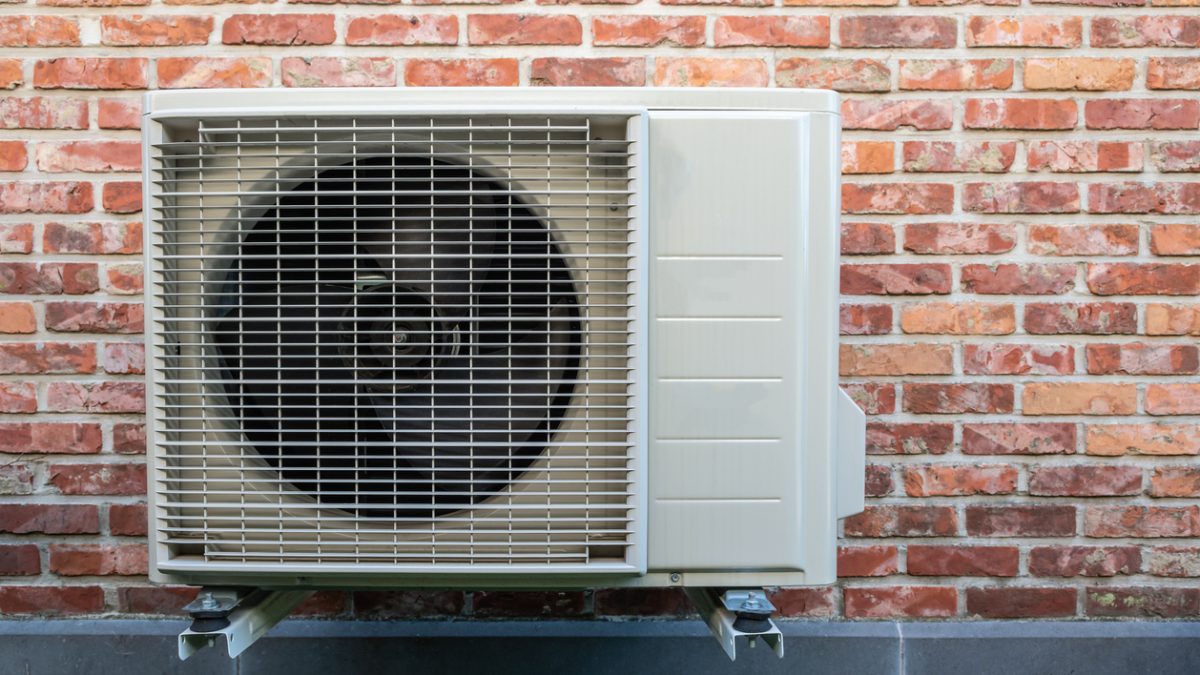

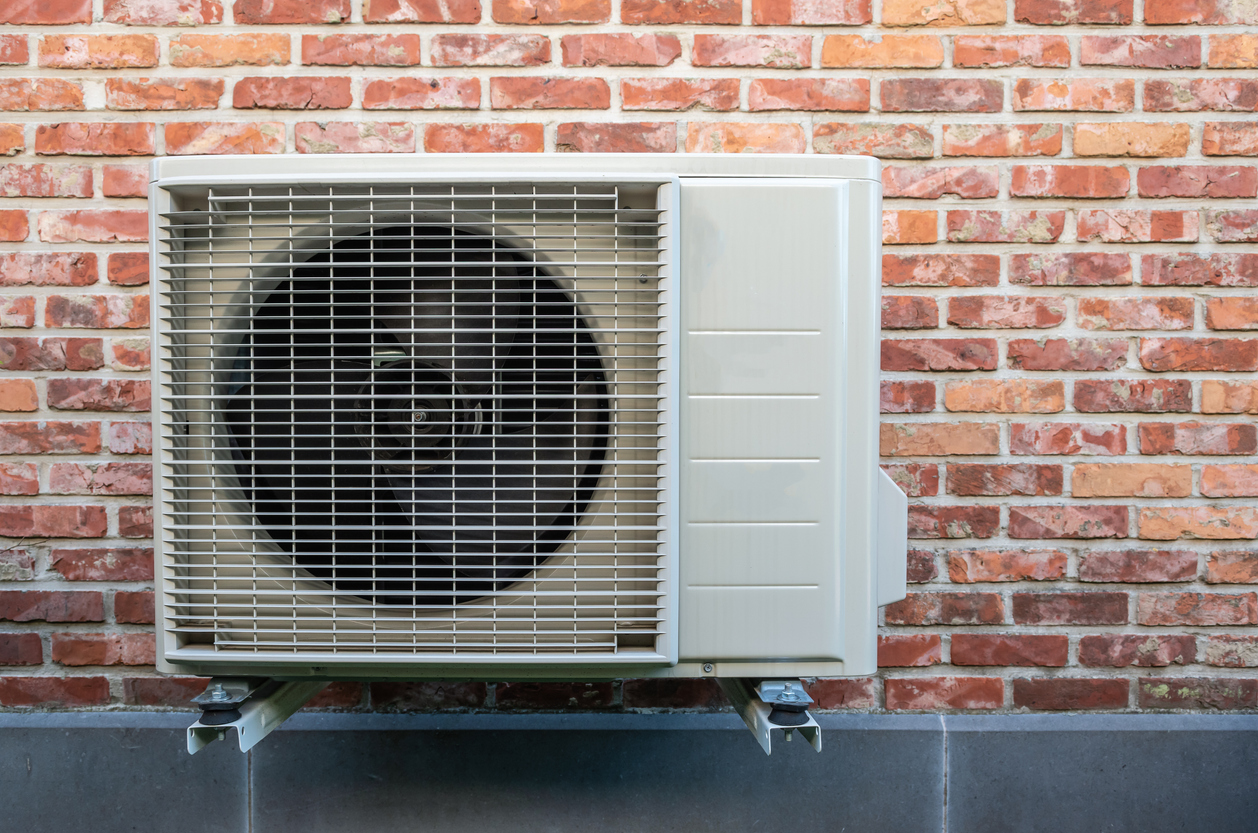
As energy costs rise and homeowners look for more efficient, eco-friendly heating and cooling options, heat pumps have become an increasingly popular choice across Canada. But with our long winters and sub-zero temperatures, many homeowners still ask the same question: Are heat pumps really worth it in Canadian climates? The short answer is yes — when chosen, installed, and maintained correctly.
How Heat Pumps Work in Cold Weather
Unlike furnaces that generate heat by burning fuel, heat pumps transfer heat from one place to another. In winter, they extract heat from the outdoor air (or ground, in the case of geothermal systems) and move it indoors. Modern cold-climate heat pumps are designed to operate efficiently even when outdoor temperatures drop well below freezing.
Thanks to technological advancements, many heat pumps on the Canadian market today can provide reliable heating at temperatures as low as -25°C, making them suitable for much of Southern Ontario and beyond.
Energy Efficiency and Cost Savings
One of the biggest advantages of heat pumps is their energy efficiency. Because they move heat instead of creating it, heat pumps can deliver up to three times more energy than they consume. This can translate into noticeable savings on monthly utility bills, especially when replacing electric baseboard heating or older, inefficient systems.
While the upfront cost of installing a heat pump can be higher than a traditional furnace or air conditioner, the long-term savings often balance this out. In addition, homeowners may qualify for federal or provincial rebates, making heat pumps an even more attractive investment.
Heating and Cooling in One System
Another major benefit is versatility. Heat pumps provide both heating in the winter and cooling in the summer, eliminating the need for separate systems. This makes them a space-saving and cost-effective solution for many homes.
During hot, humid Canadian summers, heat pumps function much like high-efficiency air conditioners, delivering consistent comfort while using less energy.
Environmental Benefits
For homeowners looking to reduce their carbon footprint, heat pumps are one of the most environmentally friendly HVAC options available. Since they rely on electricity rather than fossil fuels, they produce significantly fewer greenhouse gas emissions — especially when paired with renewable energy sources.
As Canada continues to move toward cleaner energy solutions, installing a heat pump can also help future-proof your home against changing regulations and energy standards.
Are Heat Pumps Right for Every Home?
While heat pumps work well in many Canadian homes, they may not be ideal for every situation. Factors such as home insulation, size, existing ductwork, and local climate all play a role in determining performance. In colder regions, some homeowners choose a dual-fuel system, pairing a heat pump with a gas furnace for backup during extreme cold snaps.
This is why professional assessment and proper installation are essential. Ongoing maintenance, such as regular inspections and timely repairs, ensures optimal efficiency and longevity. Homeowners in Ontario often rely on trusted professionals for Heat Pump Service Guelph to keep their systems running smoothly year-round.
Final Verdict
So, are heat pumps worth it in Canadian climates? For many homeowners, the answer is a resounding yes. With excellent energy efficiency, year-round comfort, environmental benefits, and access to rebates, heat pumps are a smart, forward-thinking investment.
The key is choosing the right system for your home and working with experienced HVAC professionals who understand Canadian weather conditions. When done correctly, a heat pump can deliver comfort, savings, and peace of mind — even through Canada’s coldest winters.
